Ethnographic Museum

Rasura

Visit the Ethnographic Museum of Rasura, in the heart of Valgerola: an authentic journey into the rural life of the past, among original objects and untouched environments.

 Ethnographic Museum of Rasura: a peasant house that tells the story of mountain life

The Ethnographic Museum of Rasura is housed in an ancient dwelling located near the parish church. 

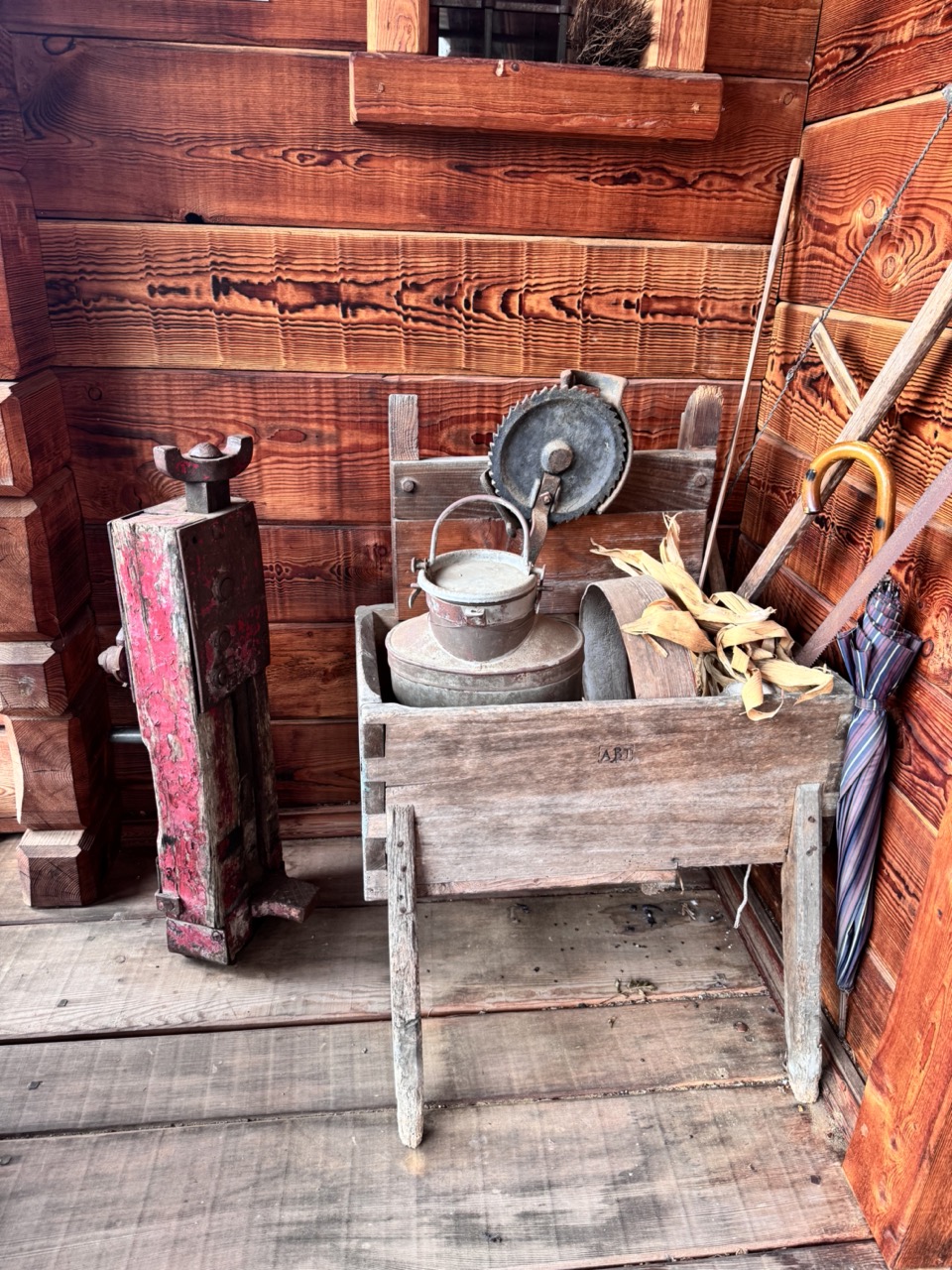
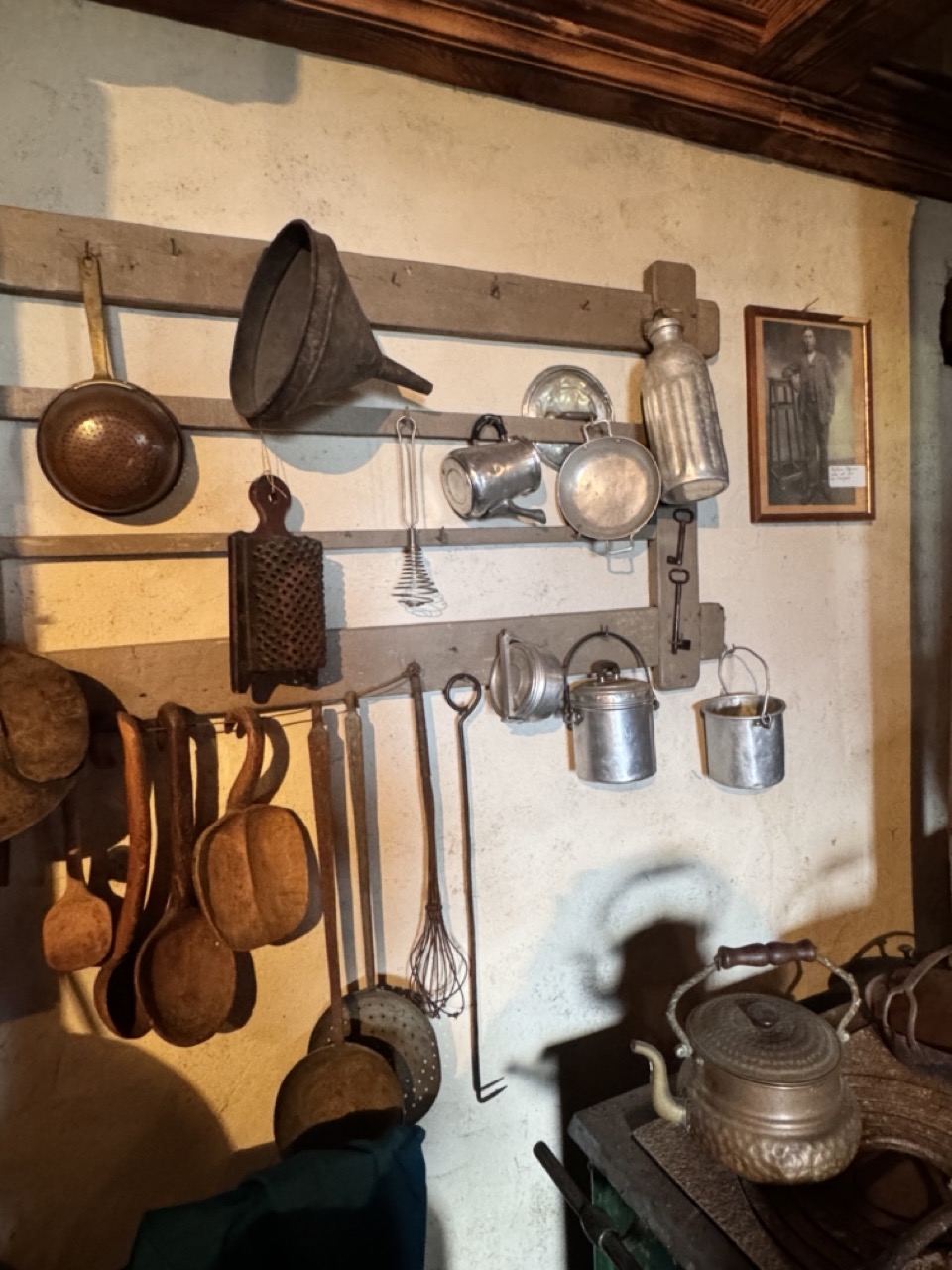
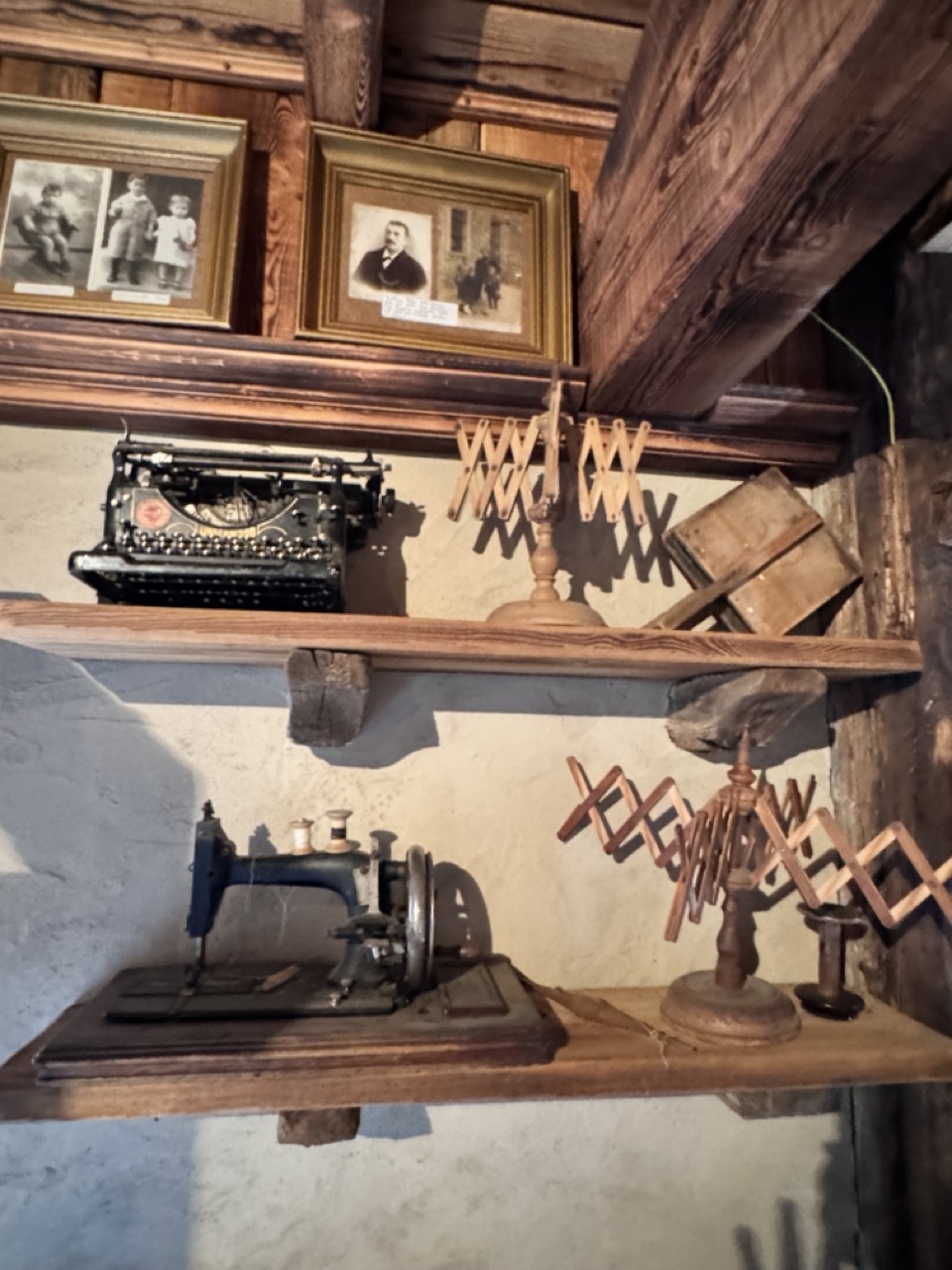
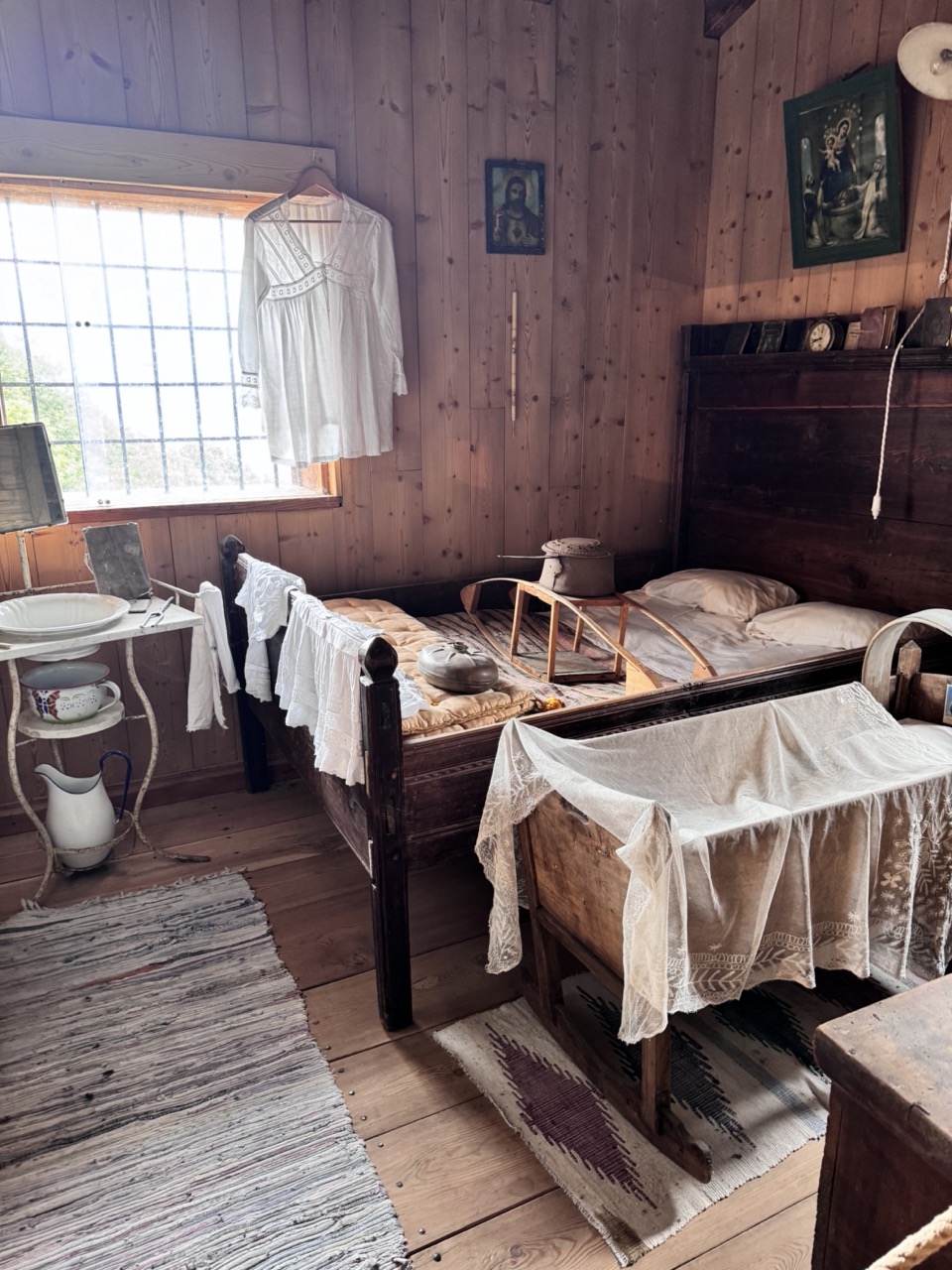
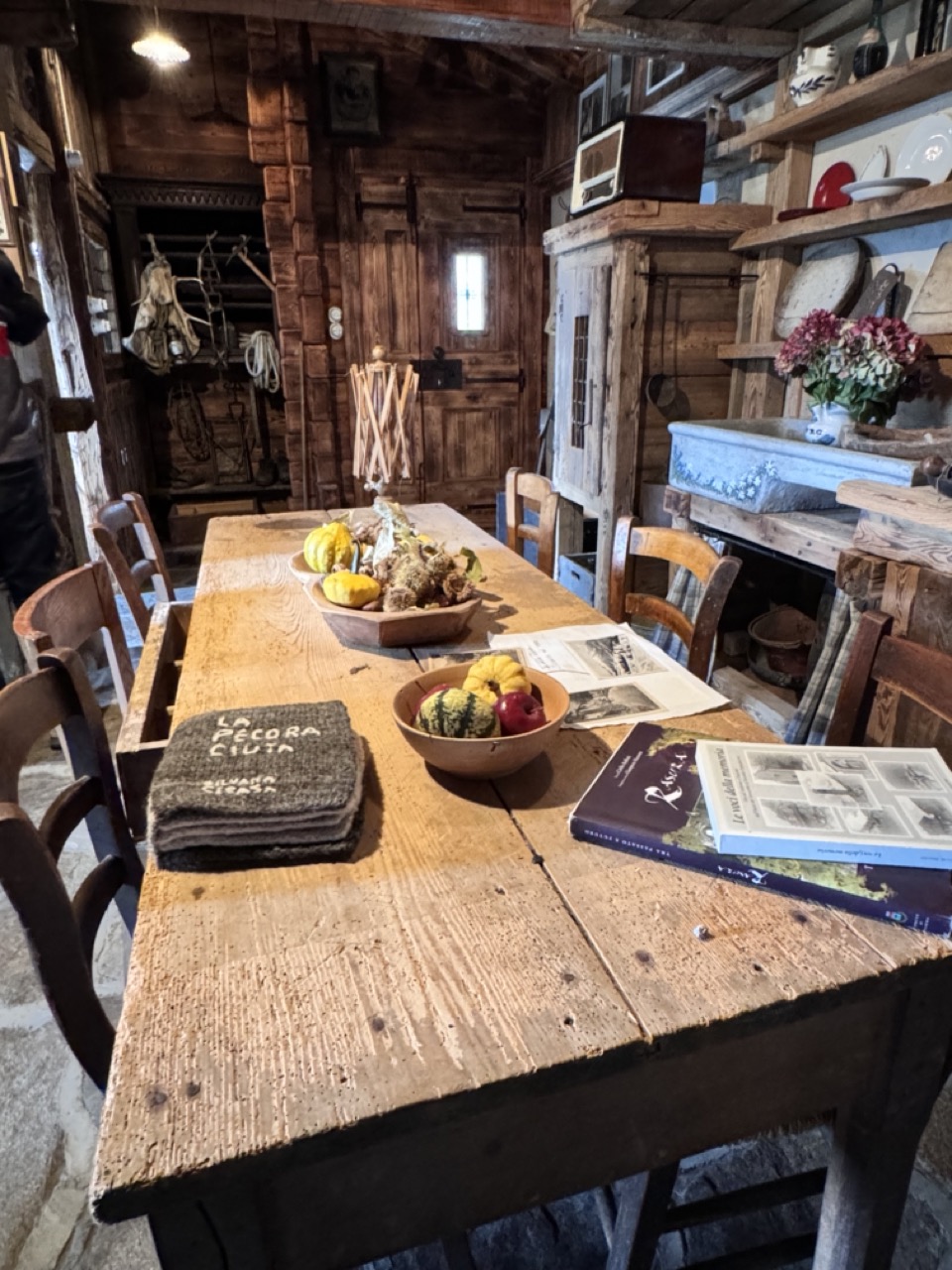
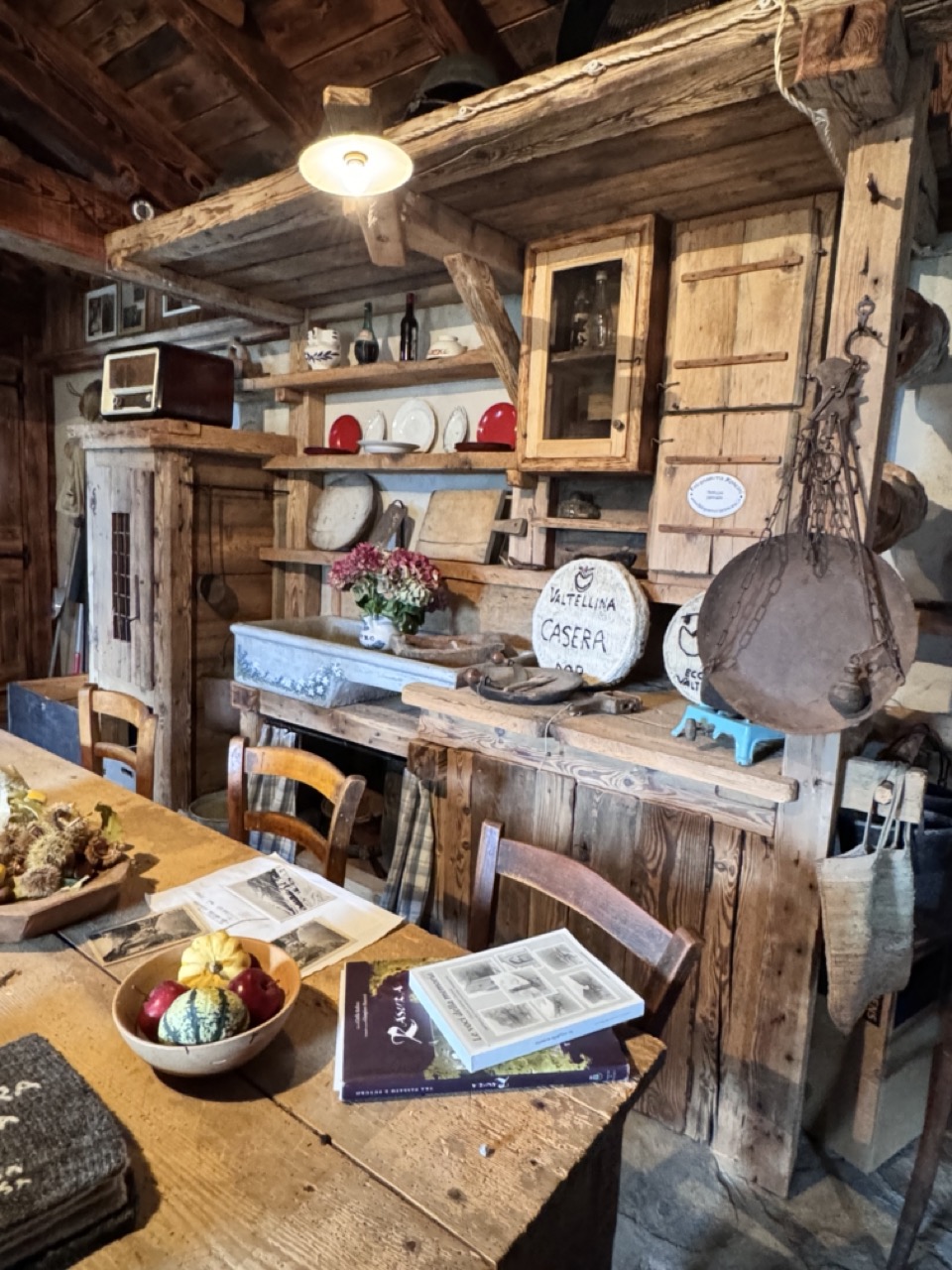
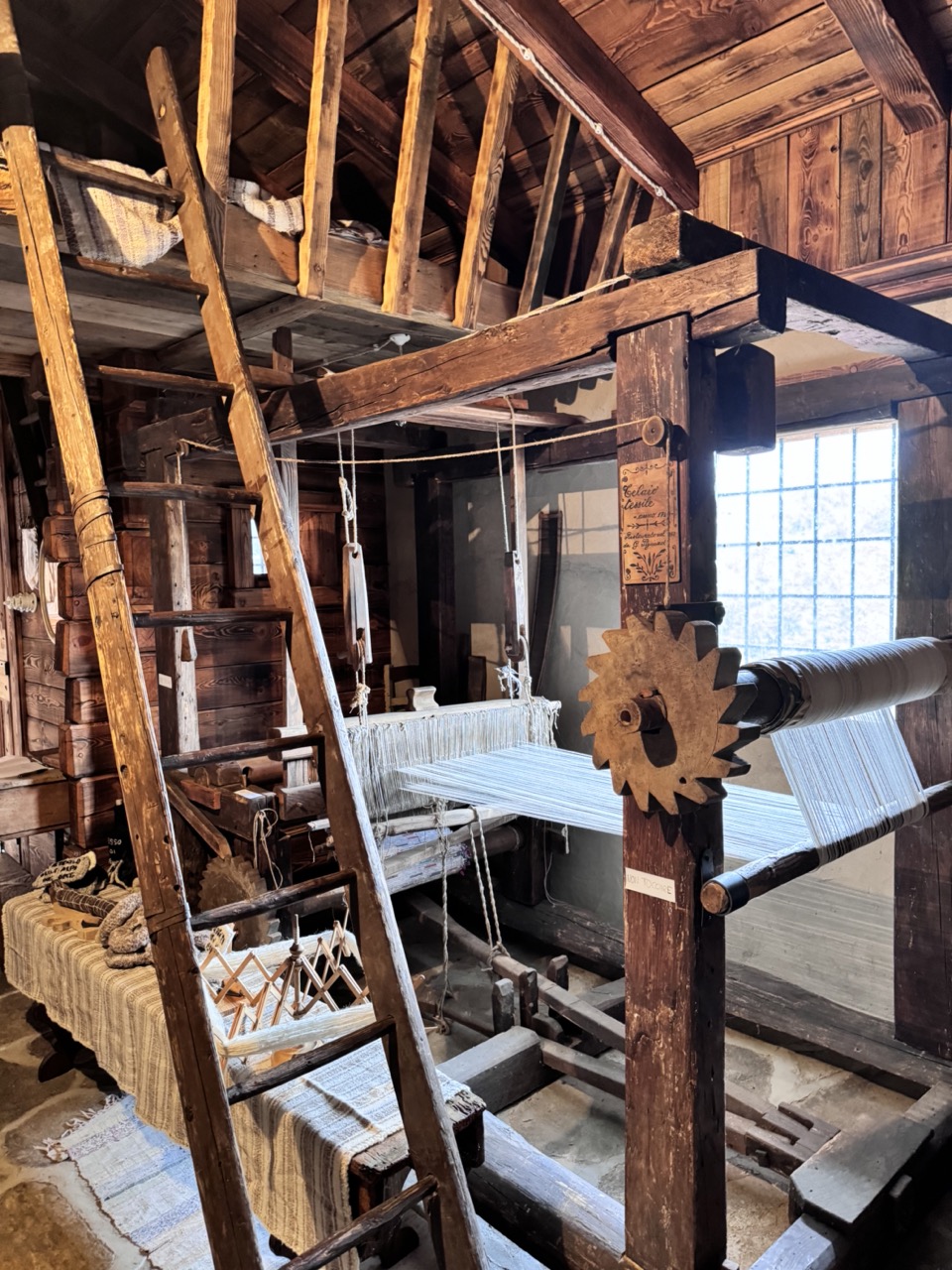
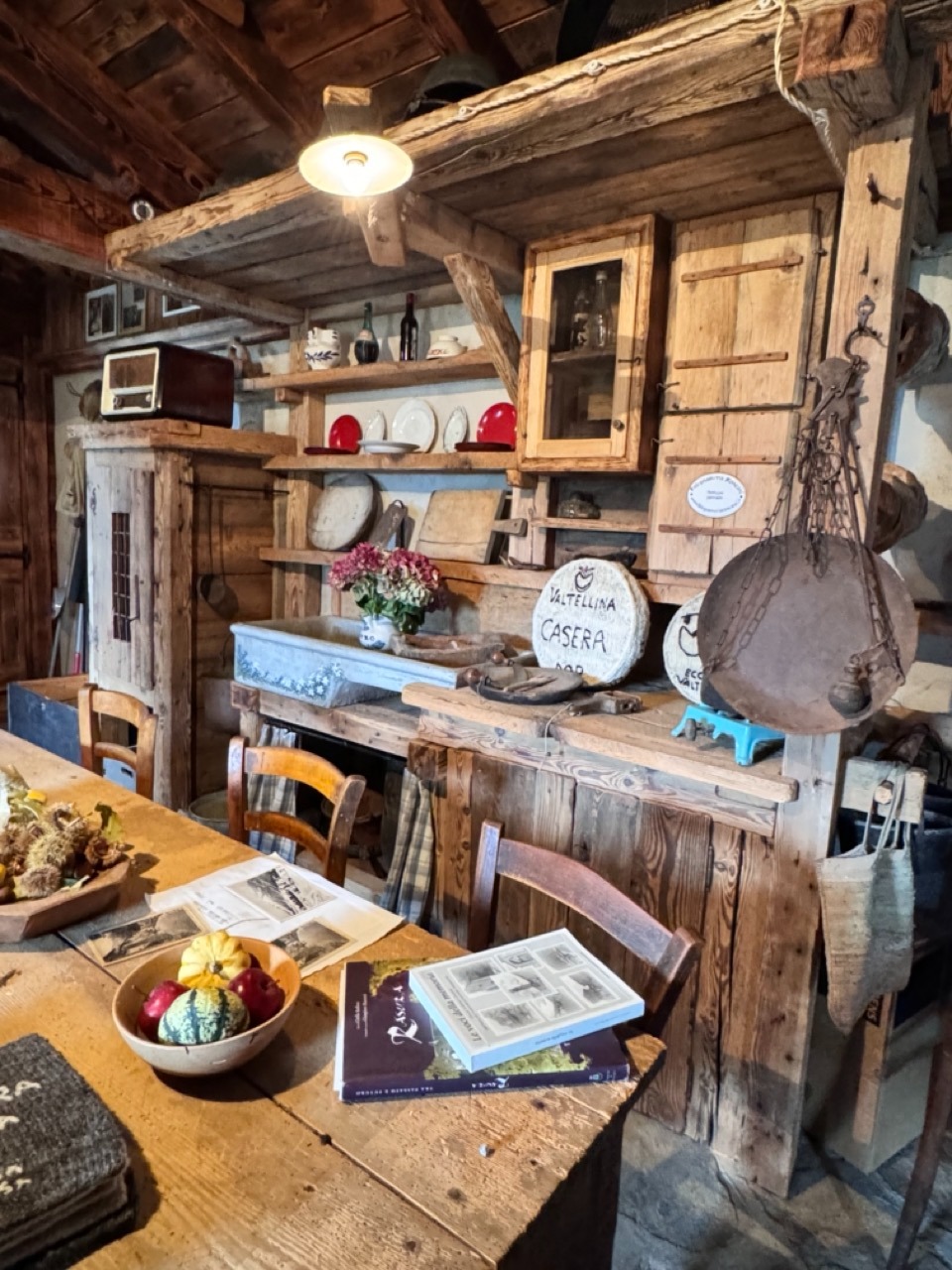
The building has remained unchanged over time, offering visitors the opportunity to immerse themselves in the daily life of past peasant life. Inside, numerous objects related to domestic life, agricultural work, and craftsmanship are on display, allowing for an understanding of the traditions and habits of the local community. 

🛠️ What to see

  • Everyday objects: kitchen utensils, furnishings, and household tools.
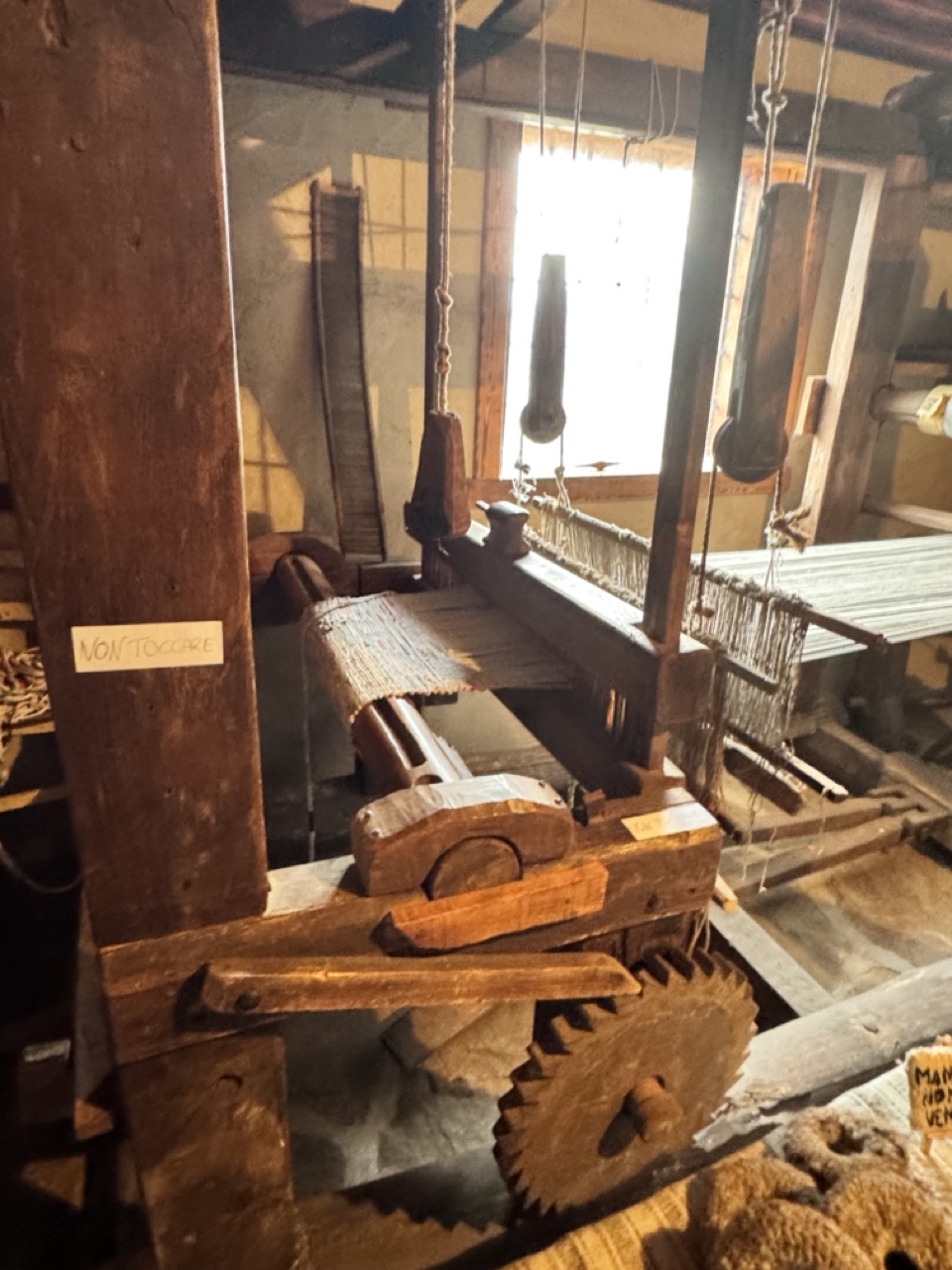
  • Agricultural and artisanal tools: testimonies of traditional work activities.
  • Original environments: rooms that preserve the aspect and atmosphere of past households.​

The visit experience is enriched by the possibility of perceiving the smell of smoke and natural materials, offering a sensory immersion into the mountain life of the past.​

🕰️ Opening hours and information

  • Address: Rasura (SO), near the parish church.
  • Phone: +39 393 864 42 23
  • Email: info@ecomuseovalgerola.it
  • Opening hours: variable; it is advisable to contact the Infopoint for updated information.
  • Entrance: free or by donation.​

🚗 How to get there

  • By car: from Morbegno, follow the SP7 towards Gerola Alta until Rasura.
  • Parking: available near the parish church.​

🏘️ Scopri il comune di Rasura

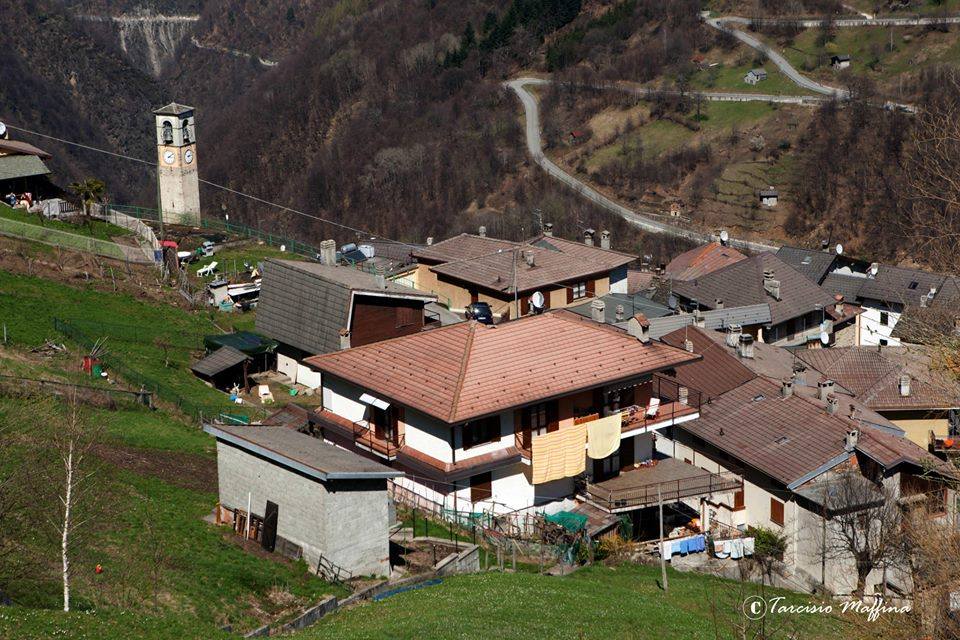
Rasura è il secondo paese che si incontra salendo la Valgerola, parte del suo territorio è inserito nel Parco Regionale delle Orobie Valtellinesi. Lo si raggiunge percorrendo la SP 7 della Valgerola (ex SS 405) che parte dal centro storico di Morbegno appena superato il torrente Bitto a San Rocco (8 km.). La vista spazia verso la Val Gerola e le Alpi Retiche con il gruppo del Disgrazia. Rasura deriva il suo nome dalla conformazione territoriale che lo ospita: radura. L'abitato infatti si presenta immerso nel verde delle pinete con le sue case adagiate tra dolci ed ampi dossi. La strada statale divide a metà il paese e la parte più vecchia è sviluppata attorno alla chiesa, sotto la strada. L'abbondanza di pascoli e la vicinanza con il fondovalle hanno fatto si che molti edifici fossero ristrutturati e la popolazione continuasse a vivere in paese. La prosperità di un tempo, dovuta ai commerci con le vallate vicine, è un ricordo così come il rumore del lavorio dei telai che producevano manufatti di lana ricercati in tutta la provincia.Scopri di più. Clicca qui

VAI AL COMUNE

Come arrivare a Ethnographic Museum