📍 Where it is located
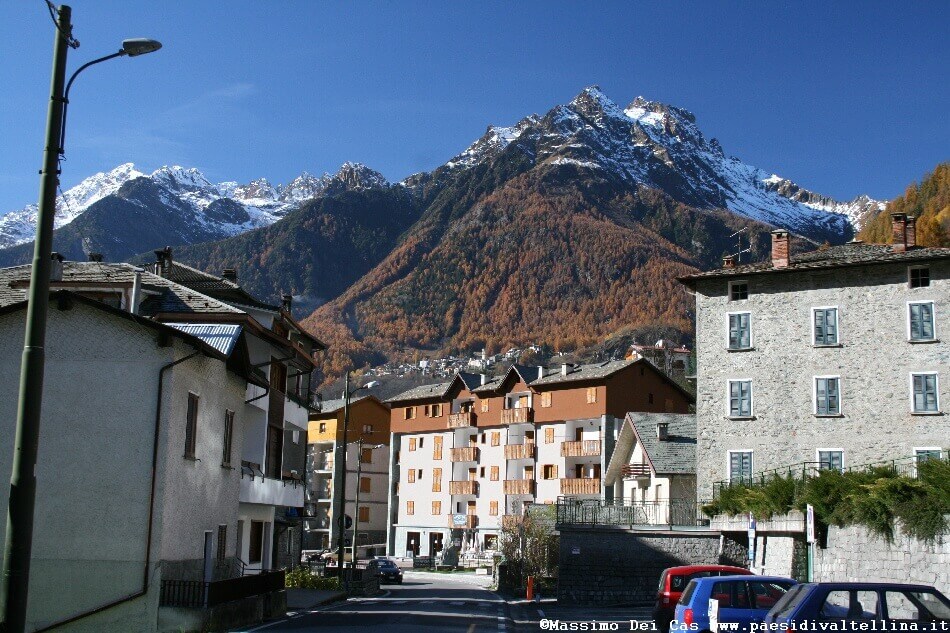
The Mineralogical Museum of Lanzada is located on Via Palù, in the center of Lanzada, in the province of Sondrio, in the heart of Valmalenco.
🧾 What it offers
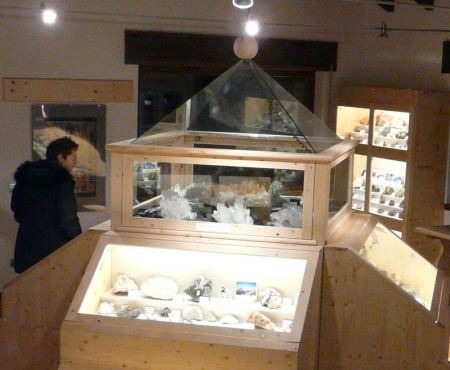
The museum houses a collection of over 12,000 mineral samples, with particular attention to the minerals of Valmalenco. Among the most relevant pieces, noteworthy specimens of demantoid, beryl, epidote, quartz and rare species such as calzirtite and ekanite stand out.
The collection also includes part of the collection of Fulvio Grazioli, known for having discovered 12 new locations and 31 new mineral species in the valley.
🕒 Opening hours
The museum is open from July 26 to August 30 with the following hours:
- Tuesday – Friday: 17:00 – 19:00
- Saturday: 10:00 – 12:00
🎟️ Entrance
Entrance to the museum is free.
📞 Contacts
- 📍 Address: Via Palù, 23020 Lanzada (SO)
- ☎️ Phone: 0342 453243
🚗 How to get there
Lanzada can be reached by car by taking the SS36 to Sondrio, then following the signs for Valmalenco. The museum is located in the center of the town, with parking available nearby.
🔍 Why visit it
The Mineralogical Museum of Lanzada is a recommended stop for:
- Geology and mineralogy enthusiasts
- Families looking for educational activities
- Hikers interested in local geology