Santuary of the Holy House of Loreto in Tresivio: spirituality, history, and art in the heart of Valtellina
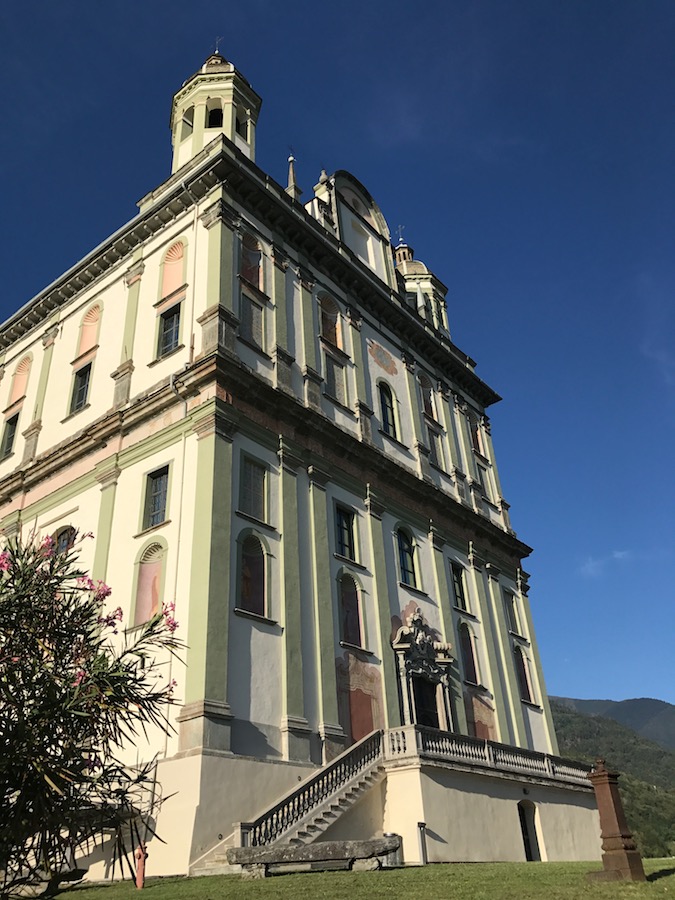
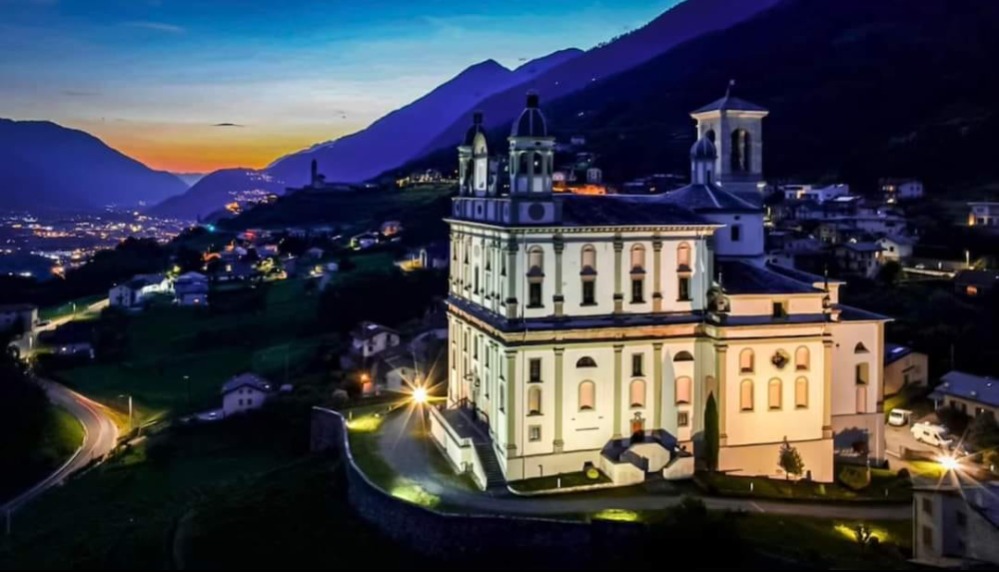
A few kilometers from Sondrio, immersed among the vineyards of the Tronchedo hill, stands majestically the Sanctuary of the Holy House of Loreto in Tresivio. Visible from the entire valley floor, this sacred building represents one of the most significant expressions of Valtellinese Marian devotion. Its construction is linked to a votive offering for the plague of 1630 and developed between 1646 and 1790.
⛪ A unique place for its location and architecture
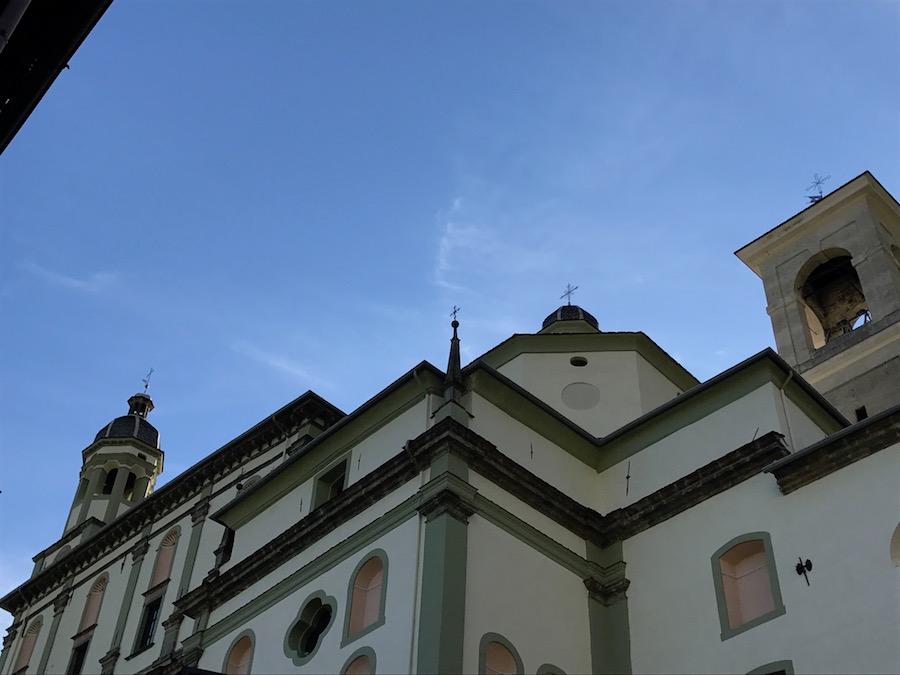
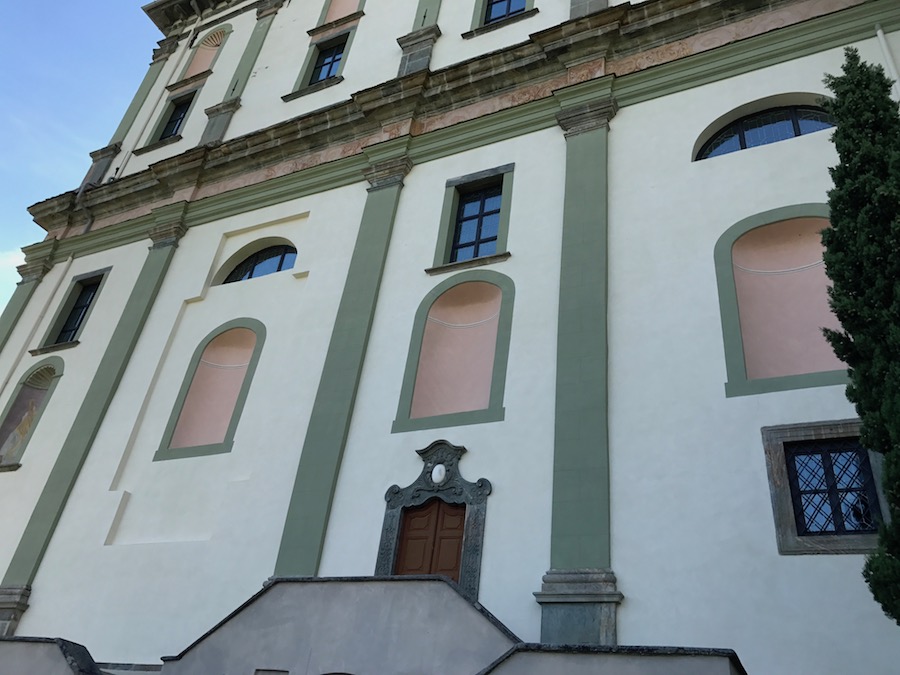
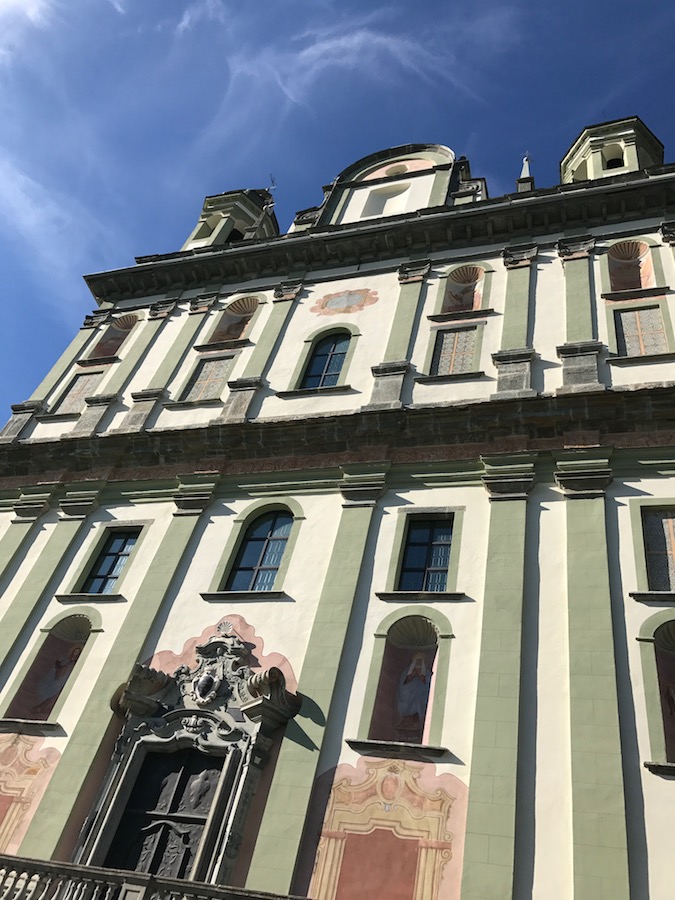
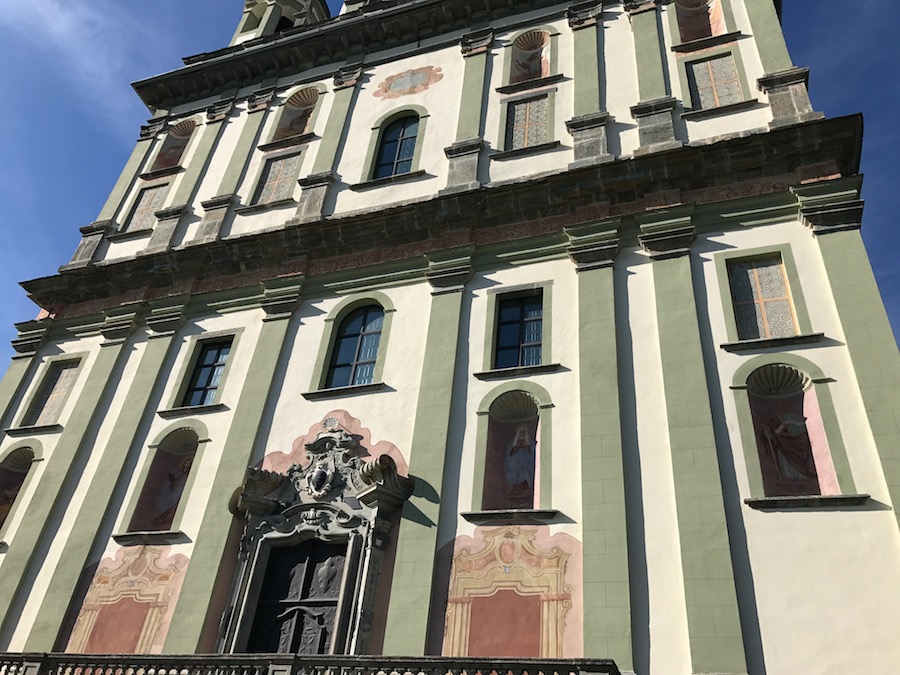
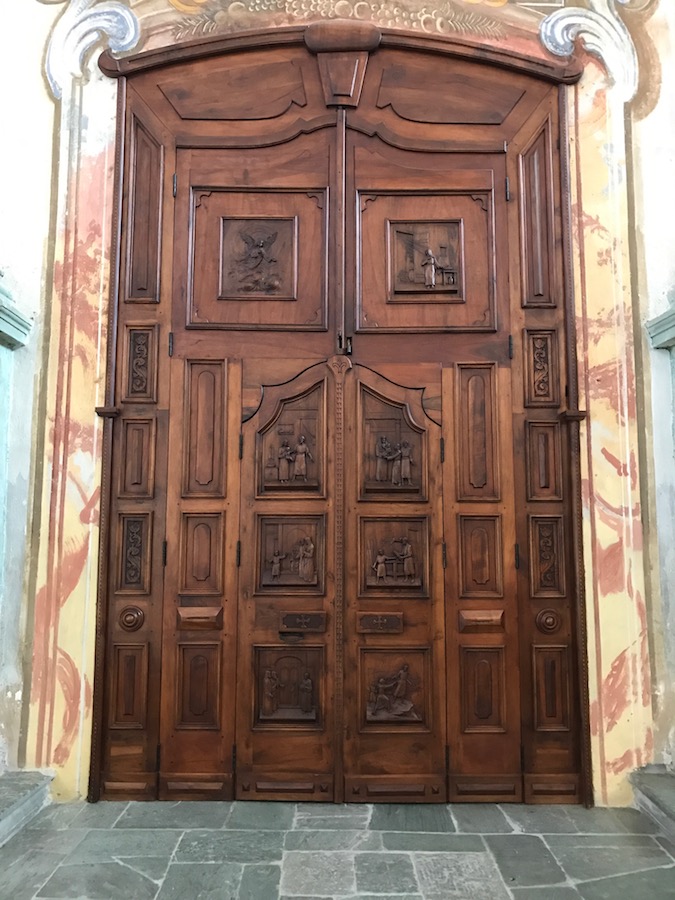
The sanctuary is easily accessible from both the scenic Retic road and the valley floor. Its imposing baroque façade, facing both east and west, features five vertical sections, two rows of cornices, and a central portal made of Tresivio green stone, sculpted in 1714 by Giovan Maria Tamagnino with copper doors hammered by Giacomo Bichler (1757).
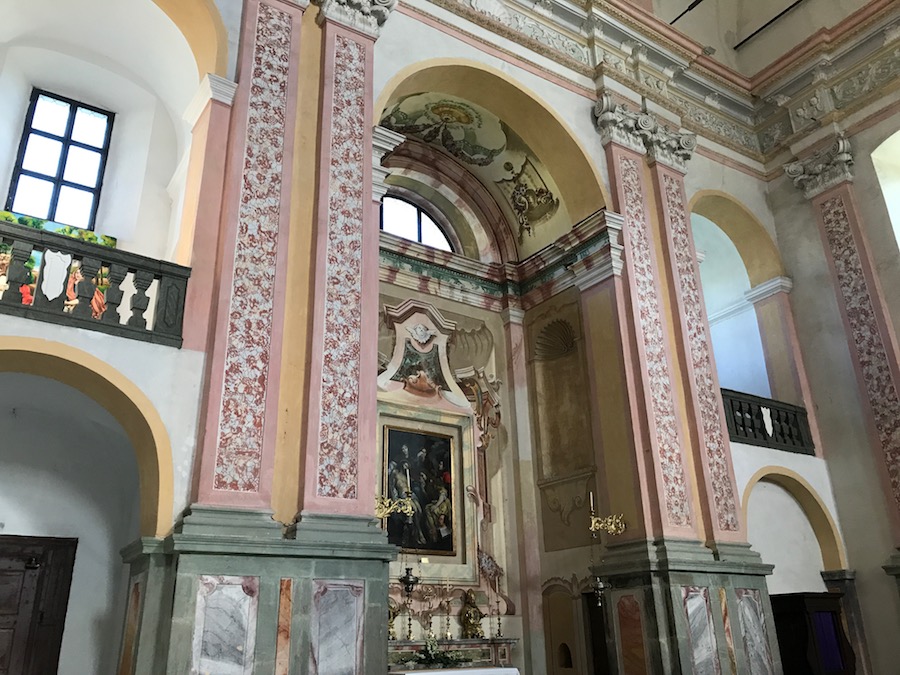
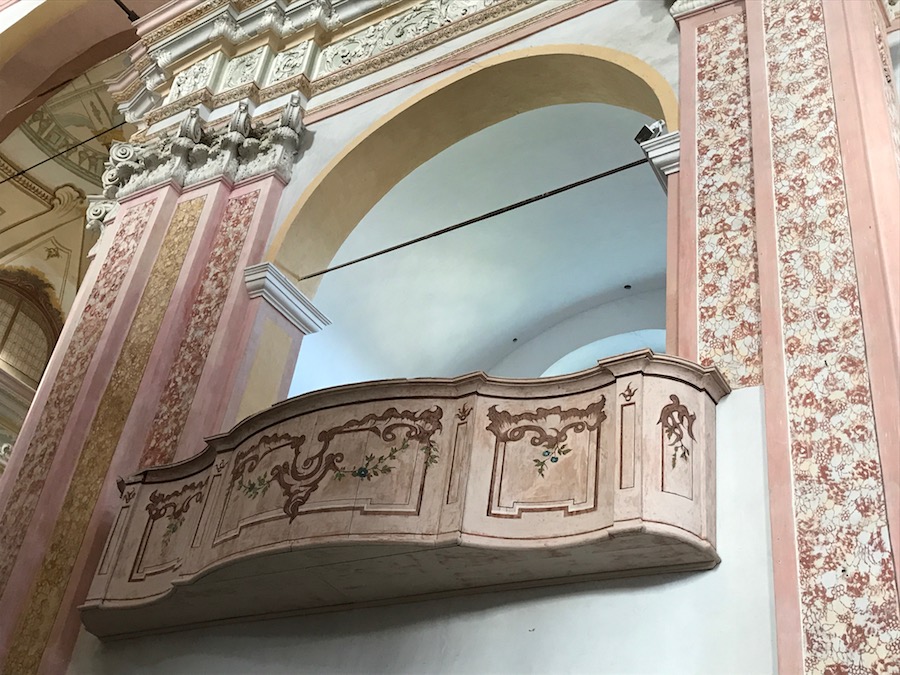
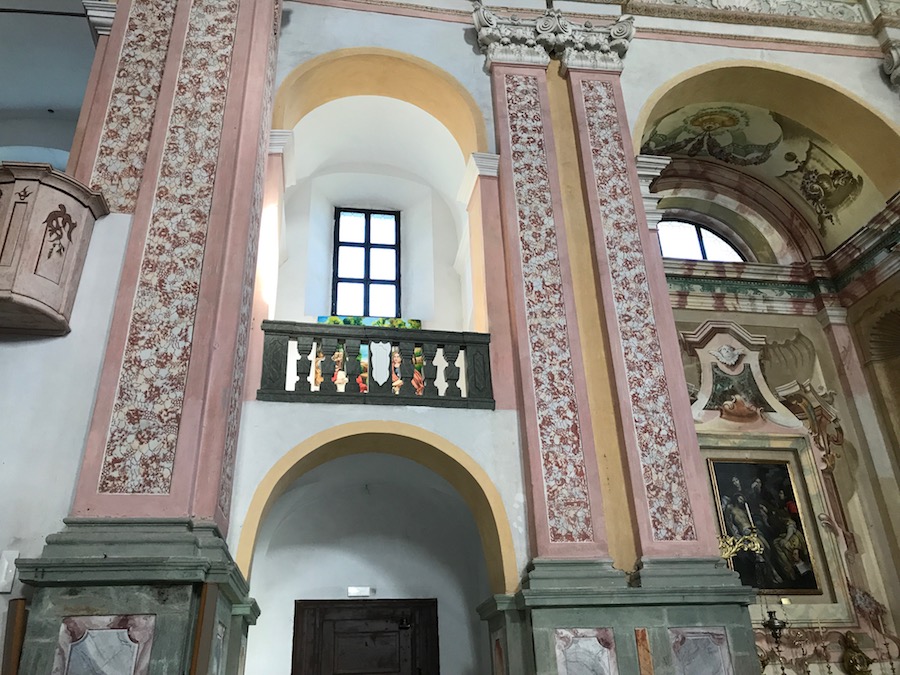
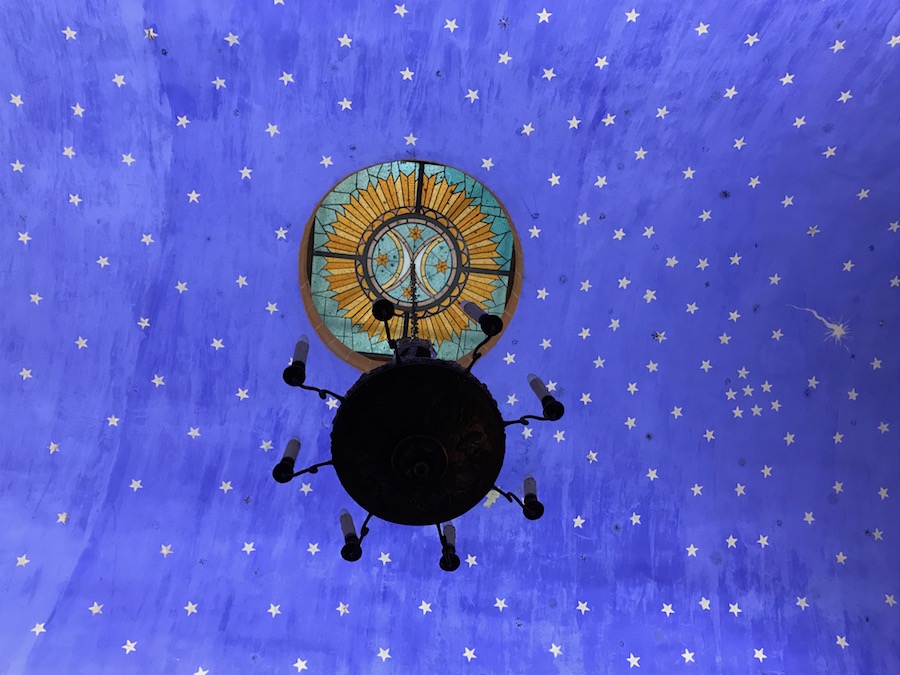
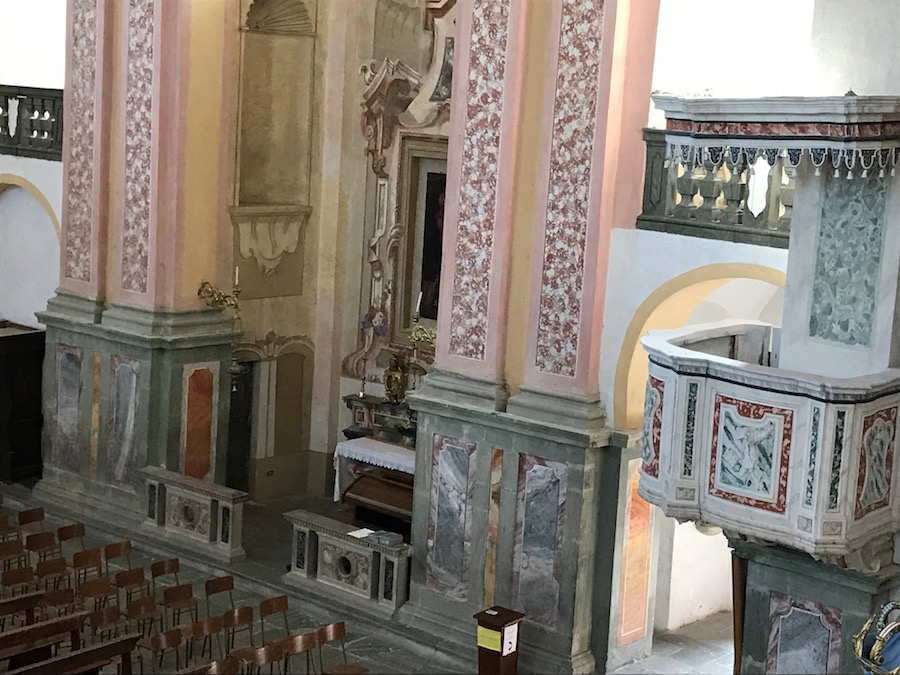
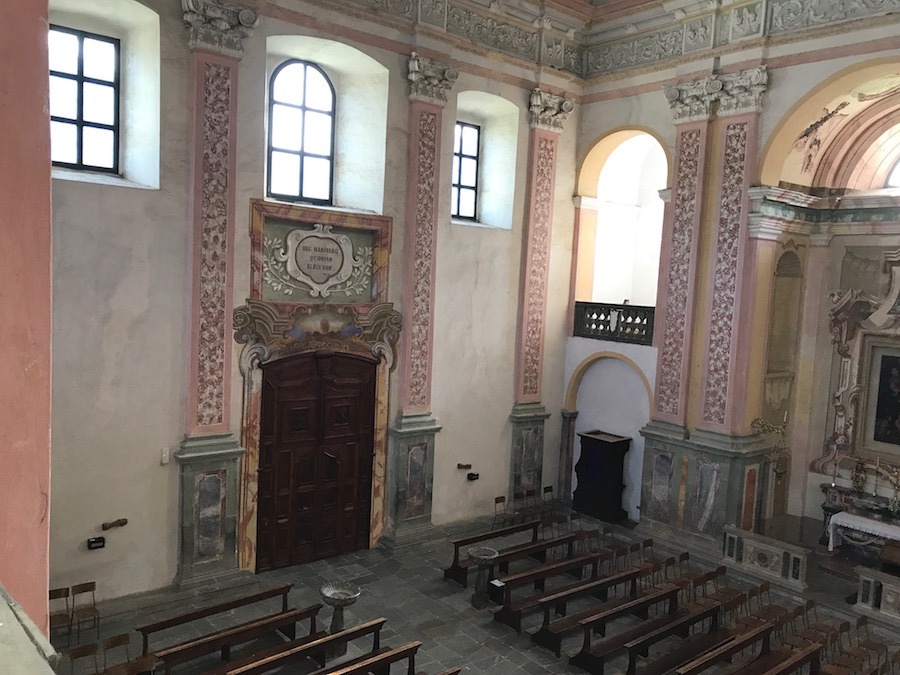
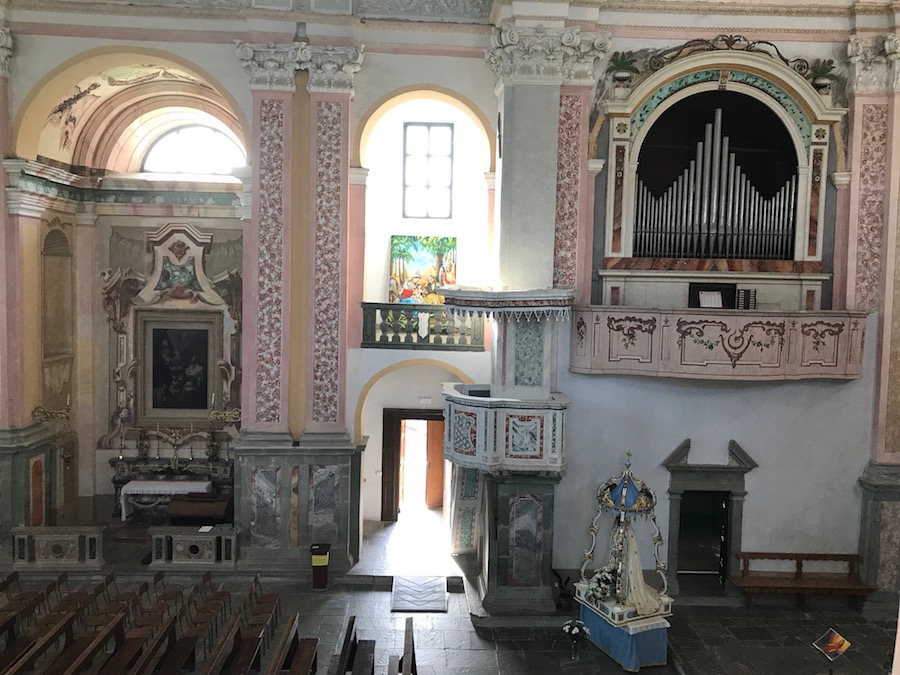
Inside, the nave accommodates about 1,000 faithful, with side altars, a transept, galleries, and a wooden crucifix in the choir. The baroque style is elegant and sober, with a vault and cornice decorated by Giacomo Adamo from Lugano (1724) and friezes and capitals by the stuccatore Casella.
🙏 The Holy House and the Black Madonna
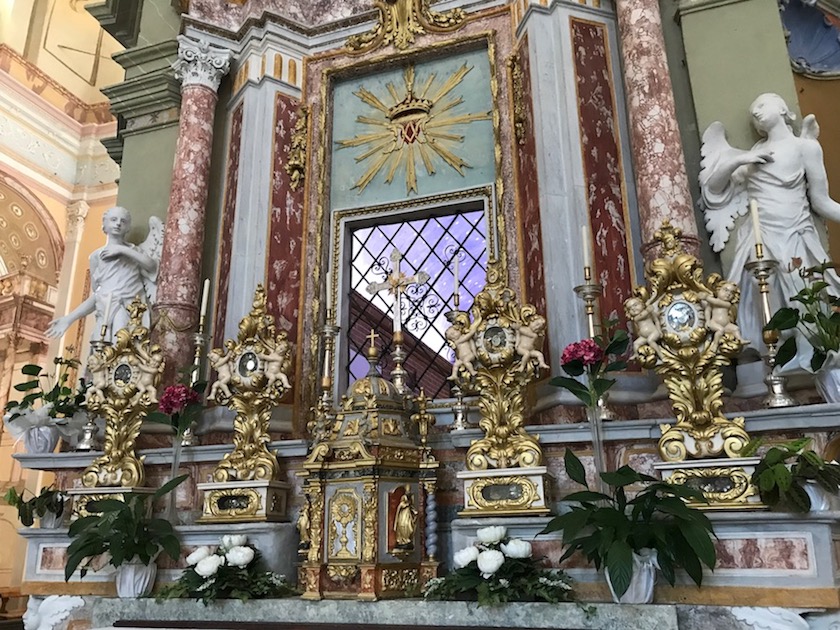
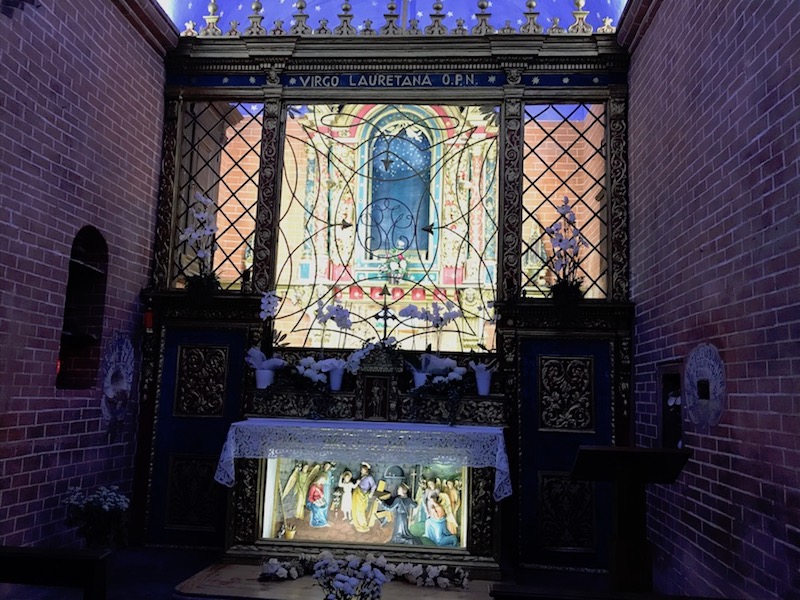
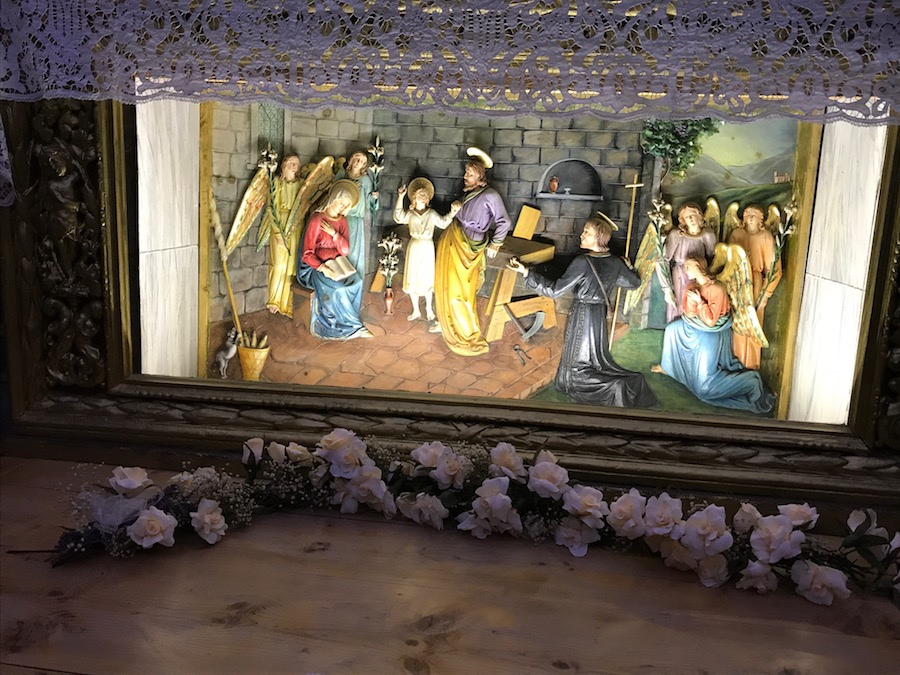
At the center of the internal Greek cross lies the Holy House of Nazareth, built in 1701. There, a statue of the Blessed Virgin, with a sweet black face, inspired by the Madonna of Loreto, can be found. The chapel is adorned with a golden "pergula" made of wood and wrought iron. The seventeenth-century altarpiece and a carved wooden altar depict Saint Louis-Marie Grignion de Montfort in a gesture of devotion to the Virgin.
⚖️ A treasure of art and faith
In the sanctuary, the following are preserved:
- a silver altar cross (1709, a gift from Rome),
- four reliquaries and a walnut table from the 17th century,
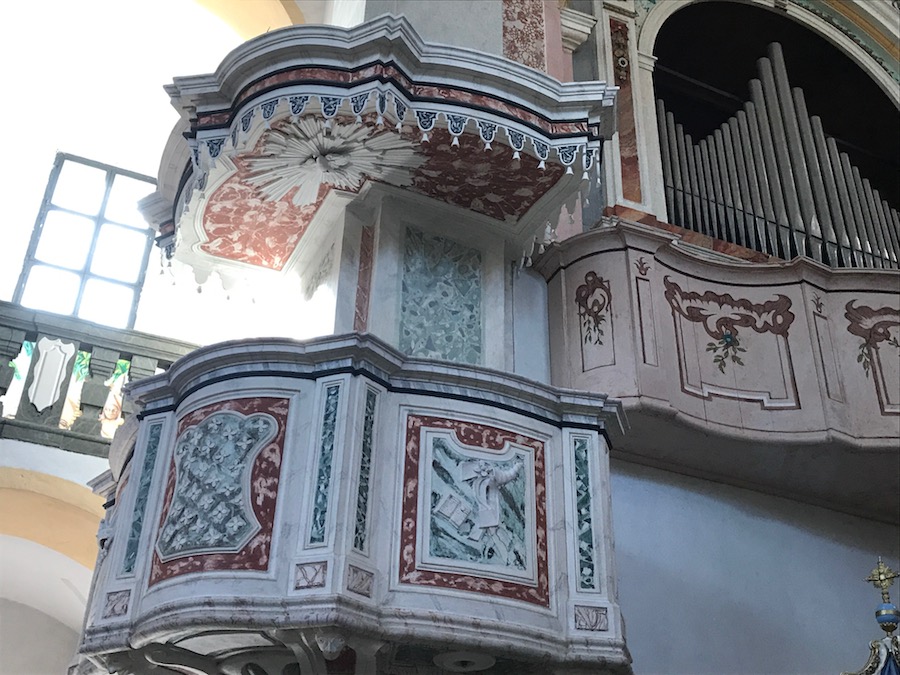
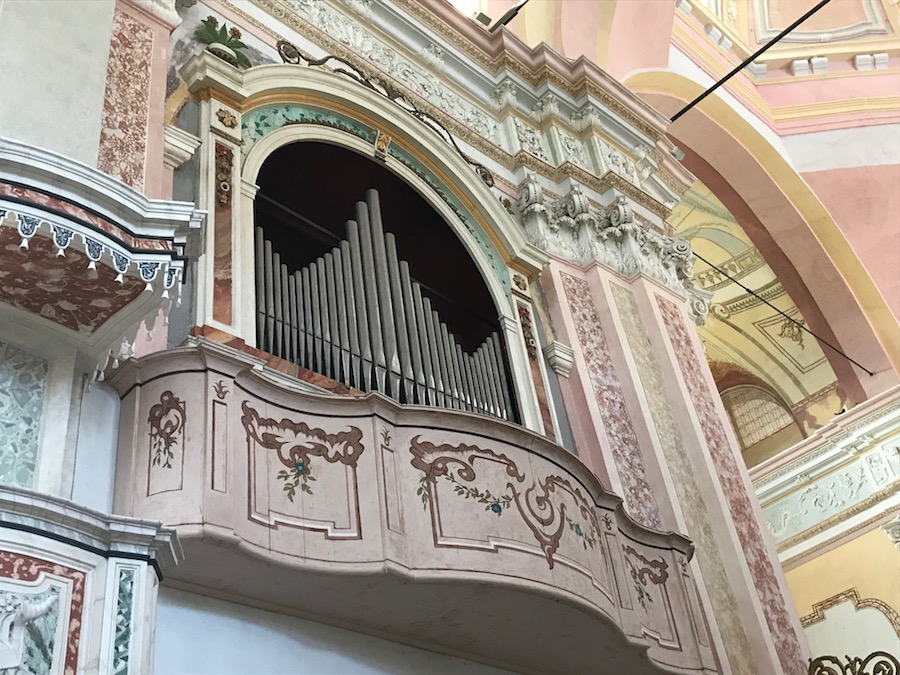
- a Locatelli organ (1876, restored in 2000 by Antonello Puglia),
- numerous votive paintings and plaques in gratitude to the Madonna.
In the crypt, remnants of the original church of Santa Maria di Tronchedo (10th-11th century) are found, with six granite columns and regular vaults. Above the altar will return the canvas by Pietro Ligari depicting the death of Saint Andrew Avellino.
🔹 A construction site lasting centuries
The construction site began in 1646 with the blessing of the first stone by the archpriest Lambertenghi. It was completed only in 1790 after delays due to lack of funds. In 1701, the Holy House was blessed; in 1714, the portal; in 1757, the copper doors. By the end of the 18th century, the sanctuary assumed its current appearance. The right of patronage passed over time to the Guicciardi, who bequeathed it in 1656.
⛪ Interventions and restorations
The sanctuary has been:
- a national monument since 1913,
- an official sanctuary since 1931,
- entrusted to the Montorfani Fathers from 1936 to 1949,
- restored in 1986–88 by the Polytechnic of Milan,
- secured after the floods of 1987,
- reopened in 1995,
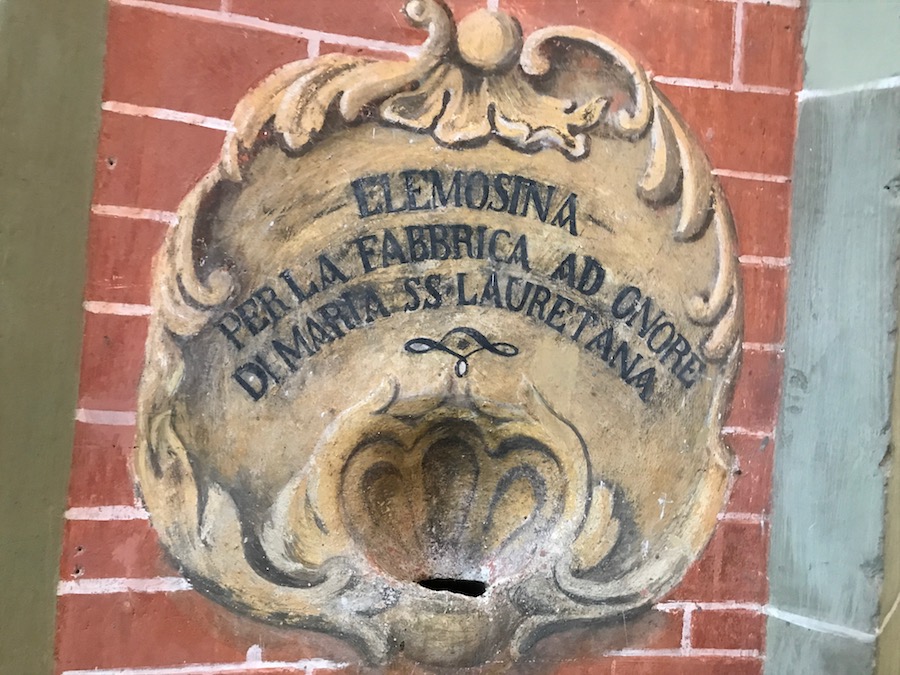
- renovated from 1996 to 2001 (with funds from CEI, the Region, the Diocese, and public donations).
The restoration focused on: the dome, masonry, the forecourt, pinnacles, organ, stuccos, systems, and the crypt. Many works were also carried out by volunteers, Alpini, and Civil Protection.
📲 Visiting hours
From June to September:
- Saturday and Sunday: 10:00–12:00 and 15:00–18:00
In the other months:
- opening by request with at least 2 hours' notice
S. Masses: from May to October, on Saturday vigils at 18:00
ℹ️ Contacts
- Parish: 0342 430118
- Don Augusto: 339 3089540
- Claudio: 340 4740388
- Email: a.bormolini@tiscali.it