Mulino Osmetti

Grosotto

Discover the Mulino Osmetti in Grosotto, active since 1868: the only operational stone mill in Valtellina. Visits by appointment and high-quality artisanal flours.

🏡 Mulino Osmetti di Grosotto

Living tradition of stone milling

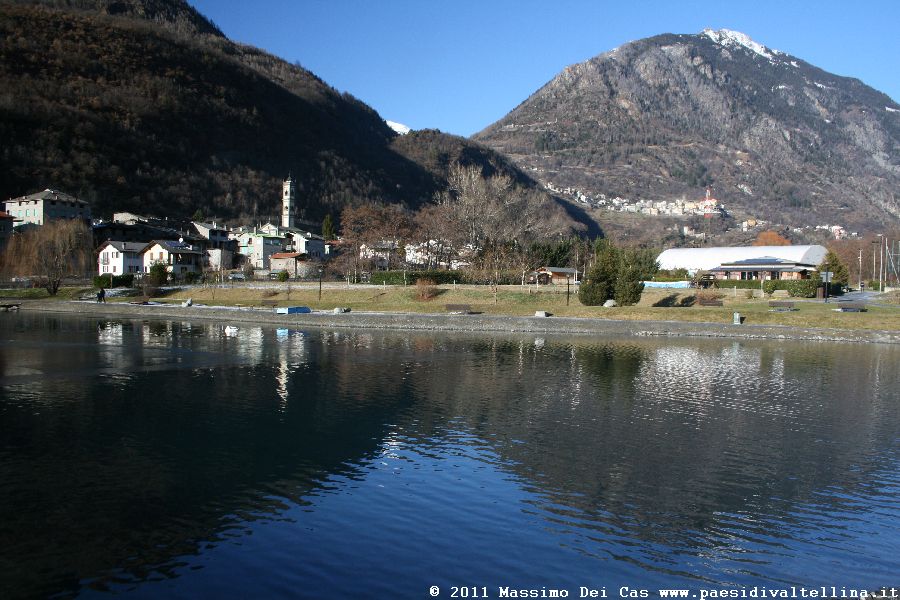
In the heart of Grosotto, at via Molini 47, you will find the Mulino Osmetti, the last stone mill still active in Valtellina. Built in 1868, it represents an authentic testimony of the ancient Valtellinese milling tradition.

⚙️ Characteristics of the mill

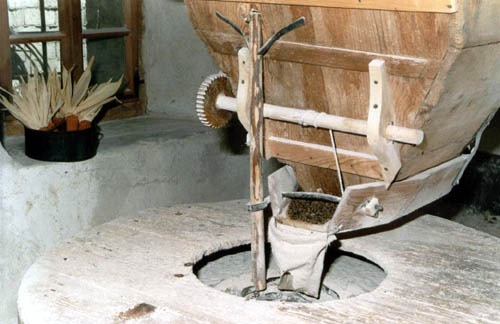
  • Three granite millstones: originally powered by the water of the Roasco stream, today they operate with electric energy.
  • Artisanal flours: production of flour from wheat, buckwheat, corn, and pearled barley, valued for their superior quality and digestibility.
  • Family management: the mill has been passed down through generations, keeping the passion for traditional milling alive.

🧭 Visits and activities

The mill is open for visits by reservation, offering an immersive experience in the history and techniques of stone milling. During local events, such as the "Festa transfrontaliera de lo pan ner", the mill opens its doors to visitors, offering tastings and practical demonstrations.

ℹ️ Useful information

  • Address: Via Molini, 47 – 23034 Grosotto (SO)
  • Phone: +39 327 3164048
  • Email: bbmortirolo@live.it
  • Opening hours: by reservation
  • Entrance: free or by donation

🚗 How to get there

  • By car: from Sondrio, follow the SS38 towards Tirano, then continue to Grosotto.
  • Parking: available near the mill.

🏘️ Scopri il comune di Grosotto

Il nome del paese che compare per la prima volta in un documento del 1080 è ROSETUM. Ebbe come primi abitatori i Liguri, ai quali si sostituirono gli Umbri, gli Etruschi, i Reti e i Celti. In seguito, al tempo dell'imperatore Augusto, tutta la Valtellina venne occupata dagli eserciti romani. Alla caduta dell'impero romano occuparono la valle i Goti, gli Unni, gli Ostrogoti, i Franchi, i Longobardi ed infine i Carolingi, sotto i quali Grosotto " divenne feudo del convento di S.Dionigi in Francia. Ai Carolingi successero gli Ottoni e Grosotto passò sotto il dominio della città di Como. Uno dei primi nuclei dell'abitato fu probabilmente quello che si costituì attorno alla chiesa di S. Martino (nella parte ovest del comune), demolita nel 1597 perché minacciata dalle piene del fiume Adda. Nel 1631 morirono in Grosotto per la peste più di 500 persone. Nel 1639 la Valtellina ritornò sotto il dominio dei Grigioni per poi entrare a far parte nel 1797 della Repubblica Cisalpina, successivamente del Regno Italico e infine dell' Austria (1815- Congresso di Vienna).

VAI AL COMUNE

Come arrivare a Mulino Osmetti