Bitto
Tue, 29/04/2025 - Curiosities
Tue, 29/04/2025 - Curiosities
Bitto
The Storico ribelle also known as Bitto storico, is a cheese from Lombardy and specifically from Valtellina, also known as "cheese from Val del Bitt". It is a Slow Food presidium produced in the Orobie Alps in an artisanal way with a specific disciplinary.
It is produced exclusively during the summer months on mountain pastures; the characteristics of the cheese are influenced by the quality of herbs consumed by the dairy cows and the addition of goat's milk. The Bitto storico can be preserved and aged for over ten years.
Producers sell their cheese to the Consorzio Salvaguardia Bitto Storico, which then manages the sales at its aging cellar located in Gerola Alta, where cheese can be purchased with aging periods ranging from 70 days to over 15 years. The Bitto storico purchased at the center is a Slow Food presidium.
Bitto Storico is produced with freshly milked cow's milk, to which a percentage of goat's milk (from 10 to 20%) must be strictly added, obtained from the Capra Orobica or Valgerola goats (an autochthonous breed at risk of extinction).
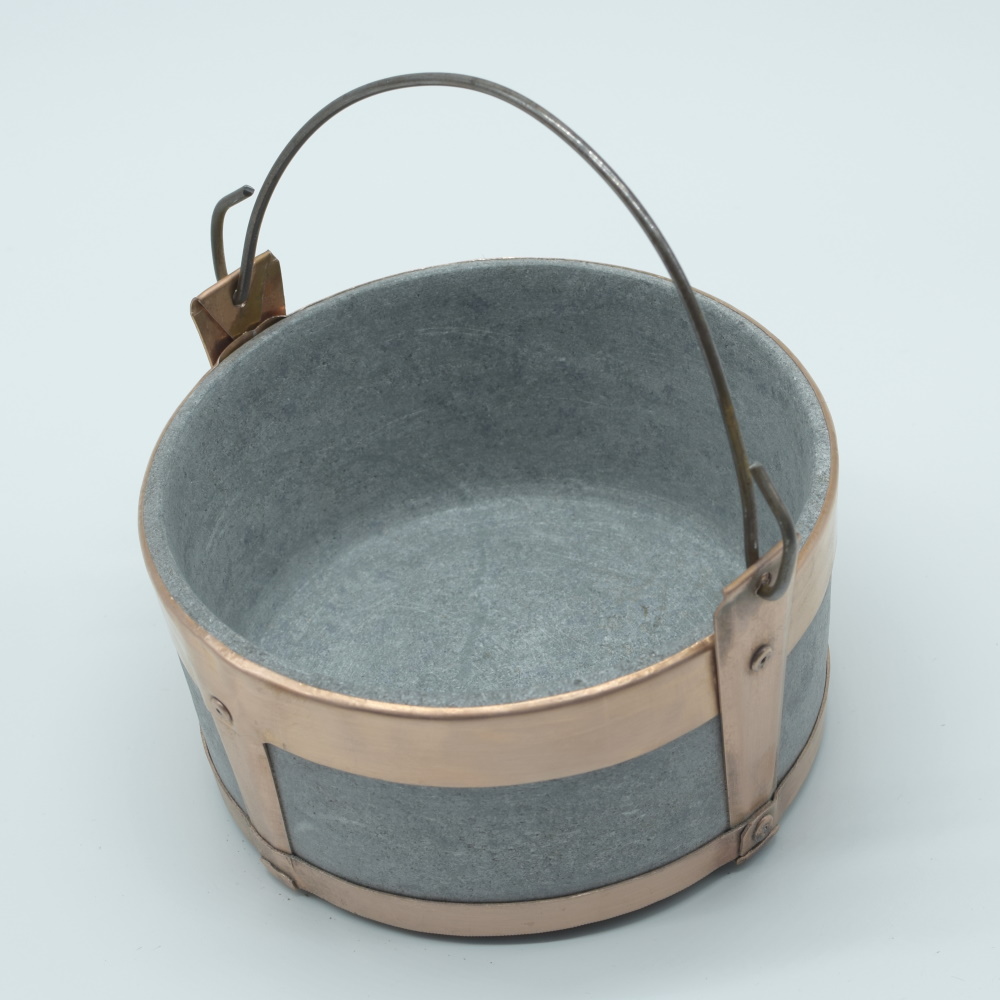
The transformation from freshly milked milk generally takes place in alpine malghe (called in dialect calécc), processed in large copper cauldrons by the so-called "caricators," that is, the shepherds experienced in the preparation of this cheese, with a virtually manual processing. Salting is repeated during preparation at intervals of 2 to 3 days.
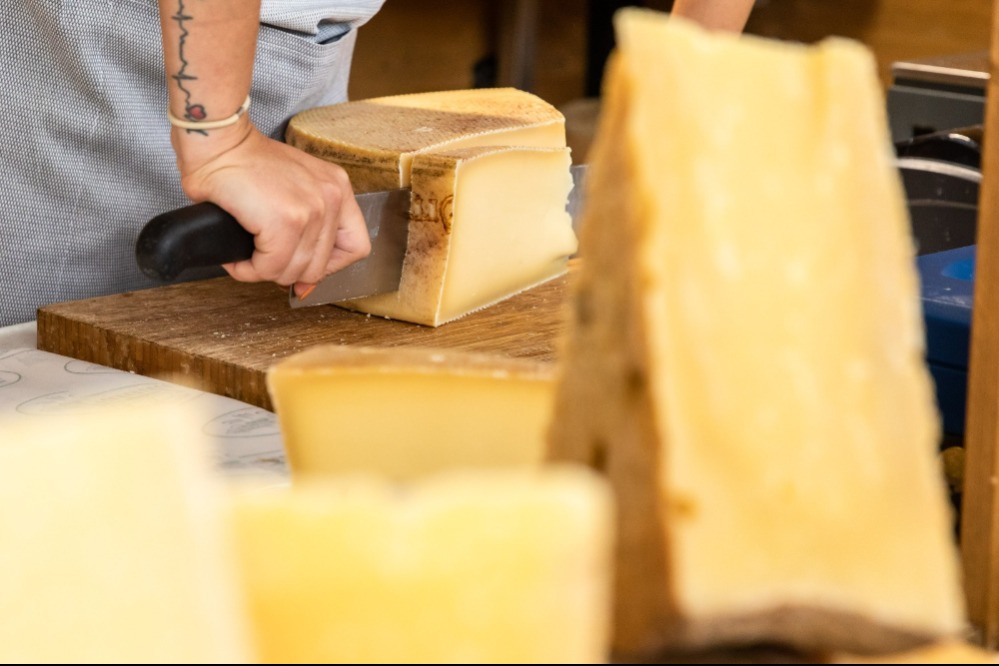
It is presented in flat cylindrical forms with a diameter between 30 and 50 cm and a height from 8 to 12 cm.
The rind is thin and yellow in the aging forms up to 6 months and thicker and intensely yellow in the longer aging forms (from 1 to 3 years, but there are cases where it is preserved in ages of over 10 years). The paste is tender, with a slightly straw-colored hue and equipped with a series of small holes ("eyes"), in the short-aged forms, harder, with a more penetrating smell and a stronger, more aromatic taste in those aged longer.
The aroma derives from the essences of the herbs eaten by the animals that graze in the valley. This cheese also melts easily when cooked, blending well with the food it is mixed with and thus becoming part of many local dishes, including "Polenta taragna" and Sciatt.
The cheese pairs well with savory red wines, such as the Valtellina superiore Inferno and the Valtellina superiore Sassella.
The Bitto DOP is a protected designation of origin (DOP) cheese from pasture and barn.
It is a fatty, semi-hard cooked cheese, produced by processing whole raw cow's milk on-site twice a day, in the morning and evening, immediately after milking. Goat's raw milk can optionally be added to cow's milk in a quantity not exceeding 10%.
Bitto DOP is obtained exclusively from milk produced in the mountain pastures but especially in the barns of the province of Sondrio and some neighboring municipalities of the Alta Valle Brembana in the province of Bergamo: Averara, Carona, Cusio, Foppolo, Mezzoldo, Piazzatorre, Santa Brigida, Valleve, and Artino and Lareggio of the neighboring territories in the municipalities of Introbio and Premana in the province of Lecco >all year round.
The Storico Ribelle, on the other hand, is produced only in the pastures of Valgerola (municipalities of Cosio Valtellino for the settlements of Sacco and Mellarolo, and the municipalities of Rasura, Pedesina, and Gerola Alta) in a production period that coincides with summer grazing; the rest of the year the cows and goats spend in the barns and enclosures of the valley bottom, and their milk is used for the winter dairy production. The presence of goats is necessary as their milk is strictly required by the disciplinary of the Storico.
(Source:Wikipedia)