Palazzo Besta and wine told through all the senses

Mon, 02/06/2025 - blog

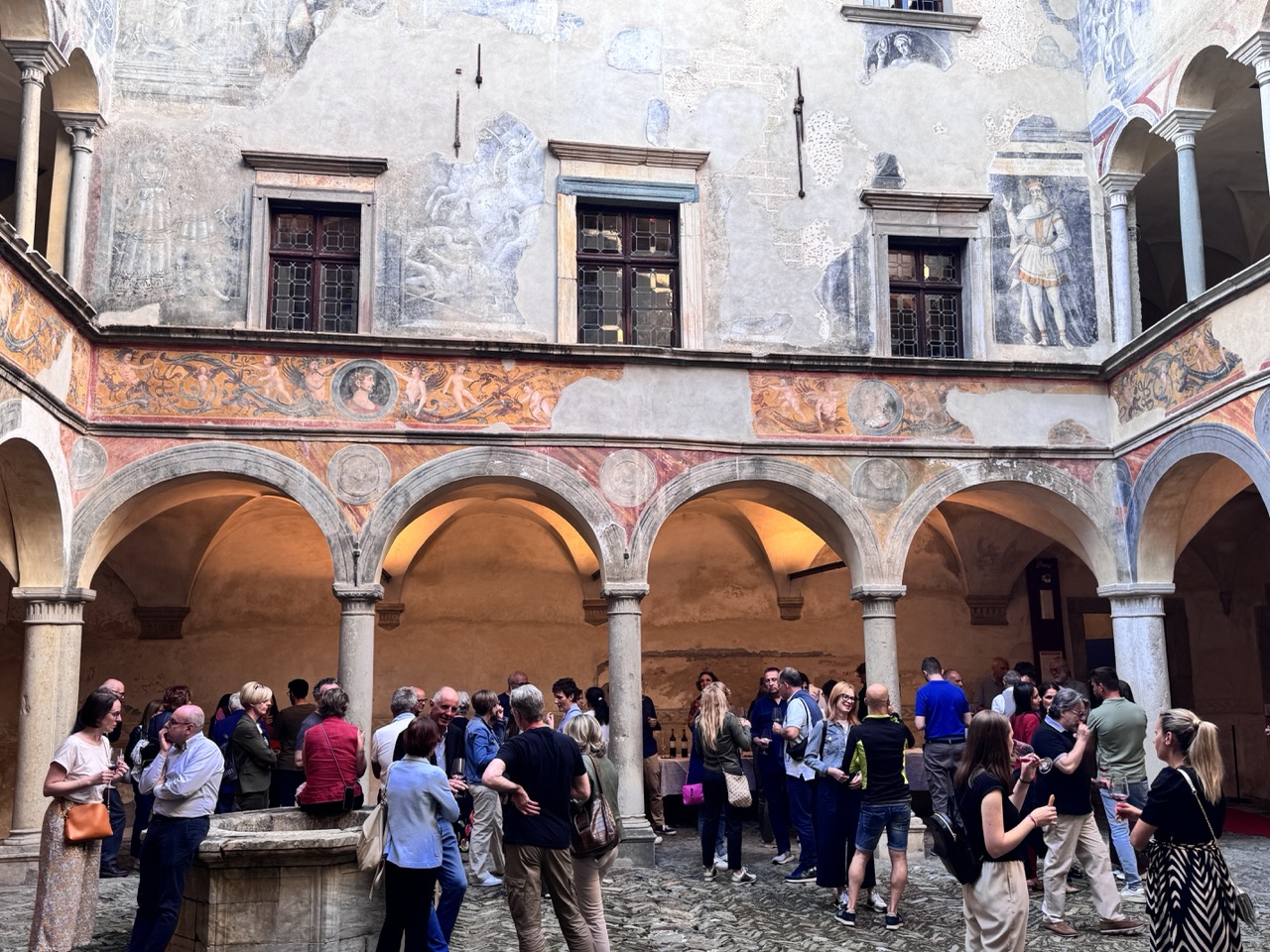
On Saturday, May 31st, I attended the inauguration of the exhibition "Valtellina and the Sense of Wine", set up inside Palazzo Besta in Teglio. A palace that many know for its frescoes, its Renaissance architecture, the history that can be felt in the loggias and rooms… but which on this occasion presented itself in a completely new guise.

I knew not to expect the usual guided tour. 

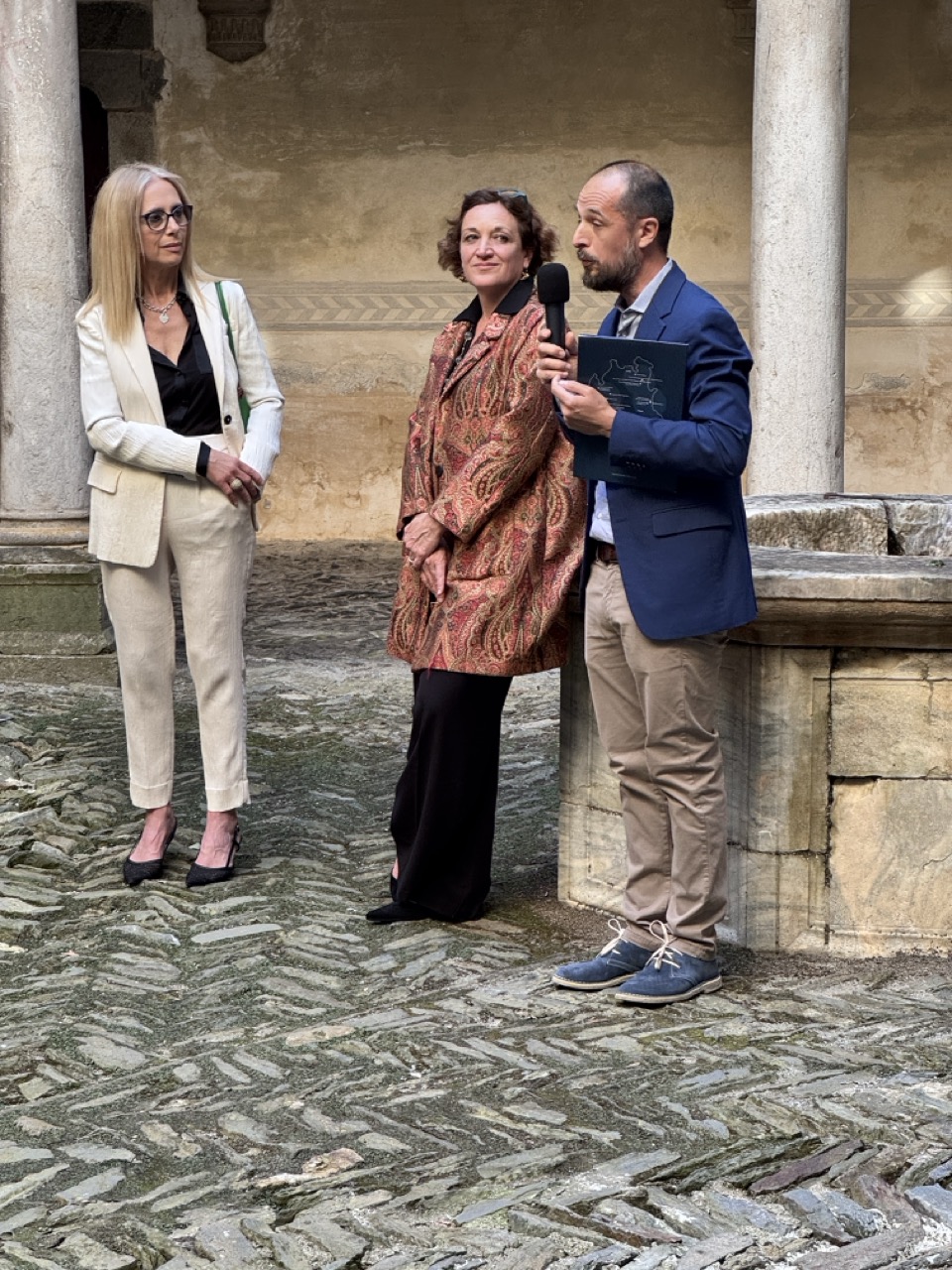
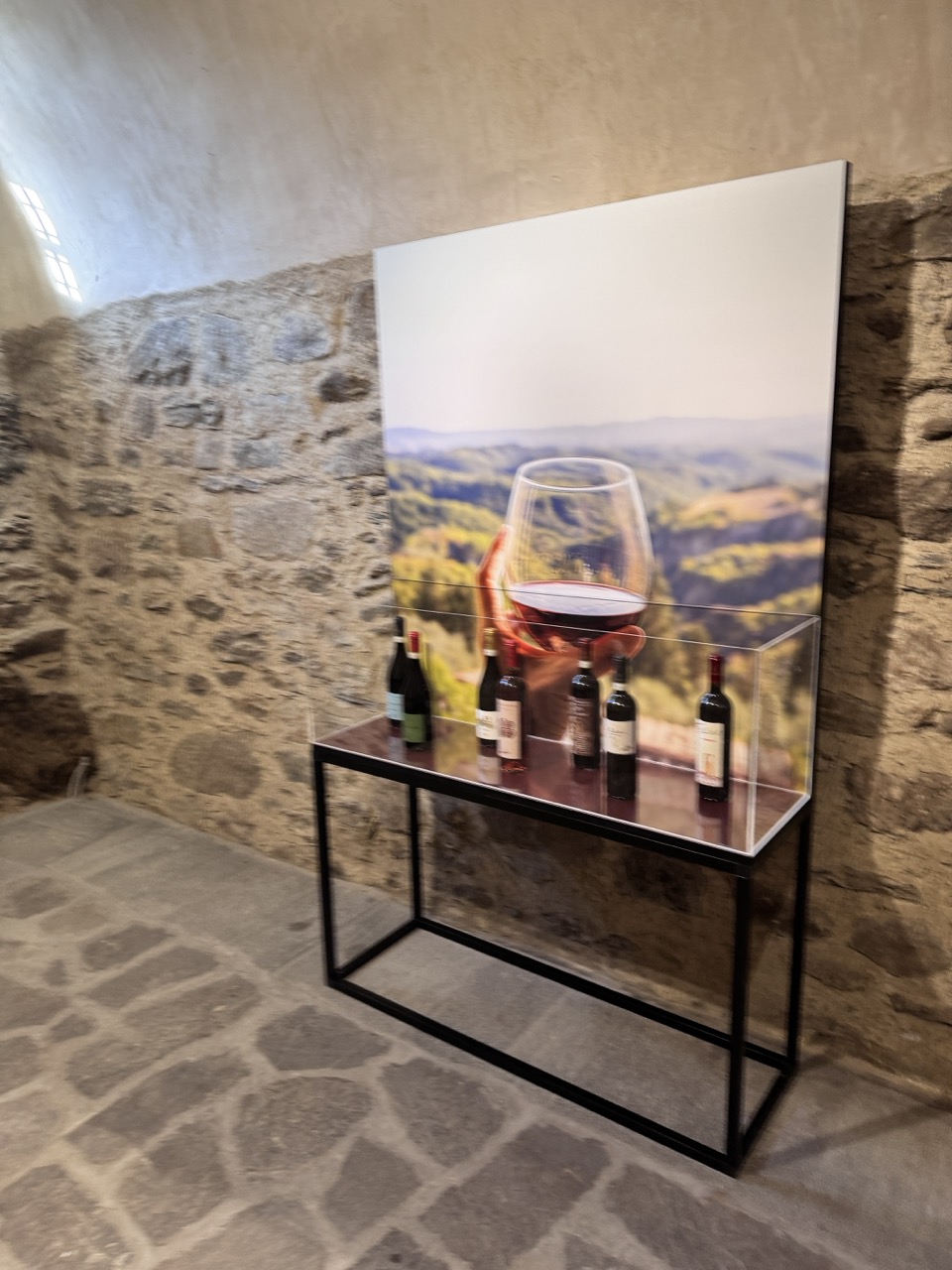
This time, behind the doors usually closed to the public, a sensory journey dedicated to wine has opened up. A project conceived by Sara Missaglia and Giusi di Gangi and finalized under the direction of Silvia Anna Biagi, director of Palazzo Besta, who has managed to combine culture, experience, and territory in an engaging and truly original way.

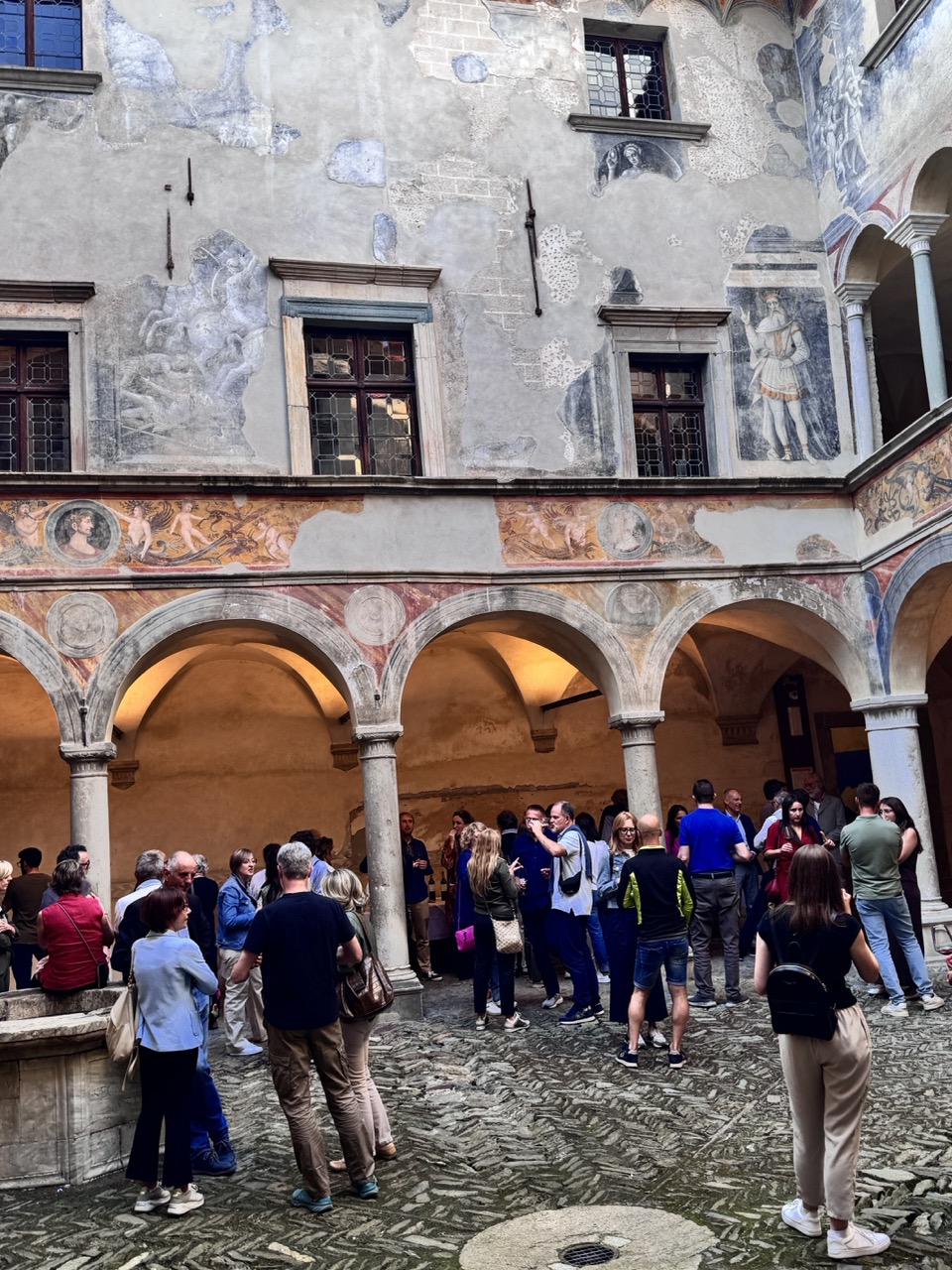
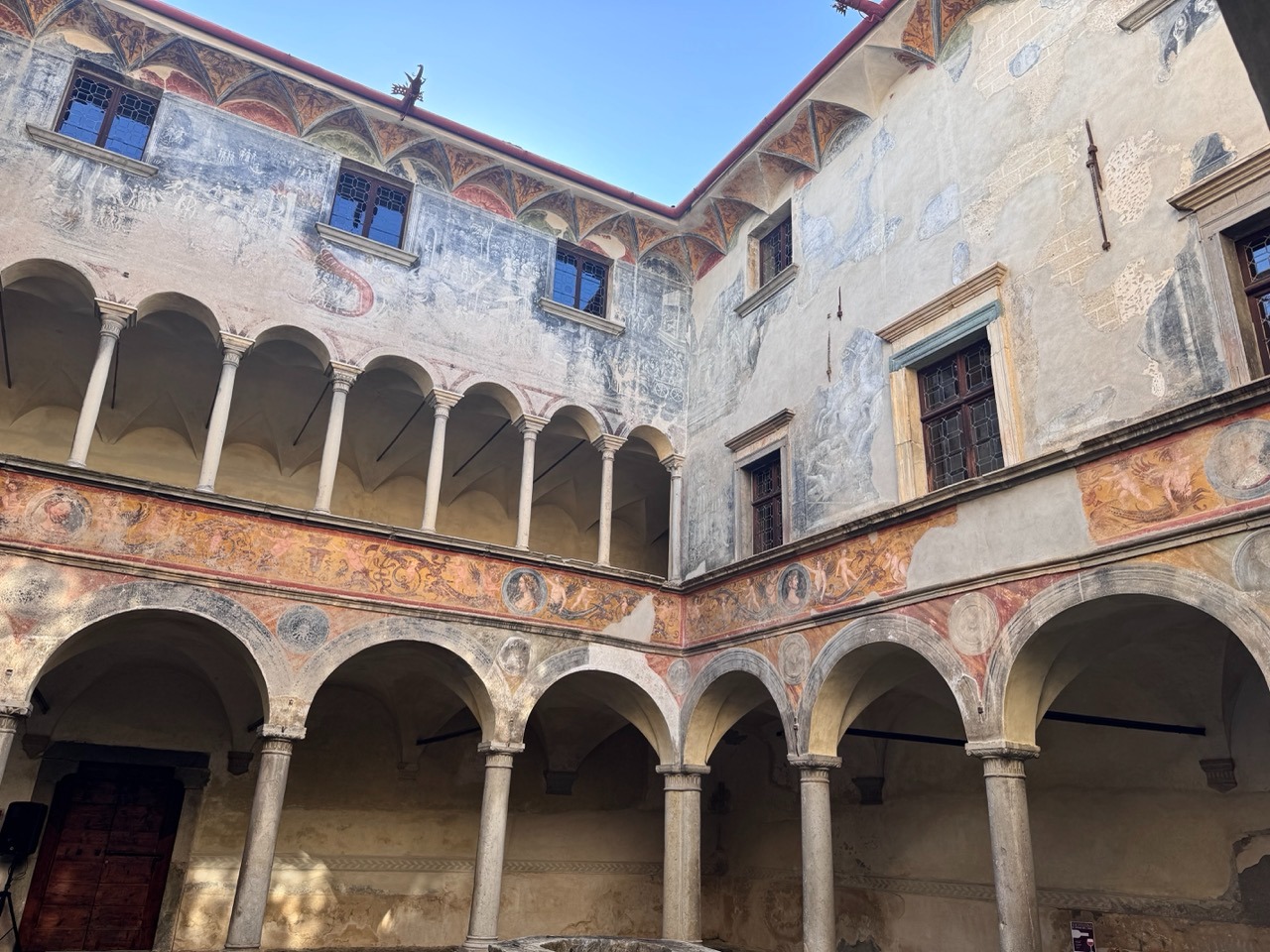
Palazzo Besta always welcomes you with its historical charm, in its internal courtyard where you can't help but lift your gaze and admire the loggias and frescoes that surround you.

Let the visit to the exhibition begin!

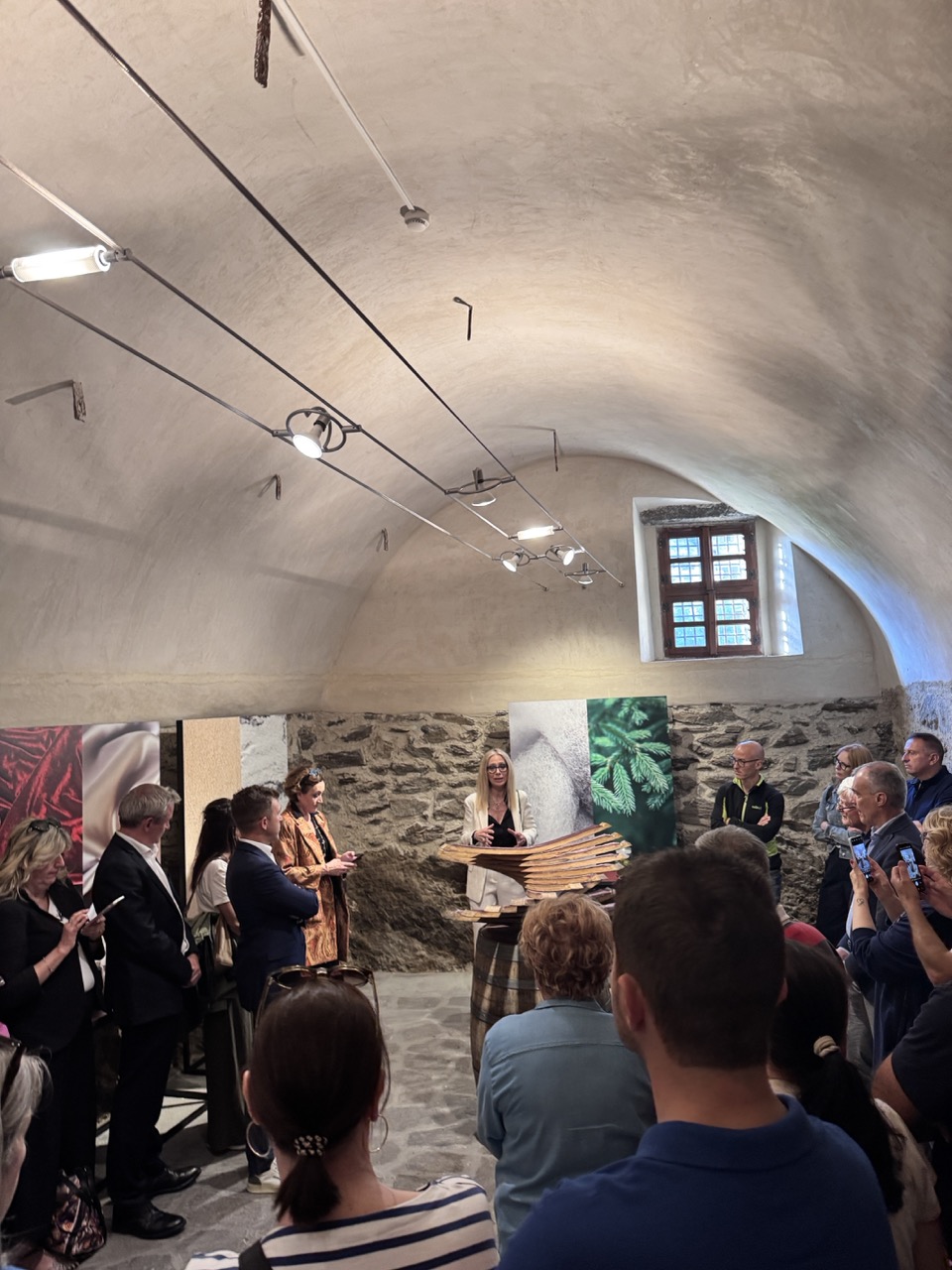
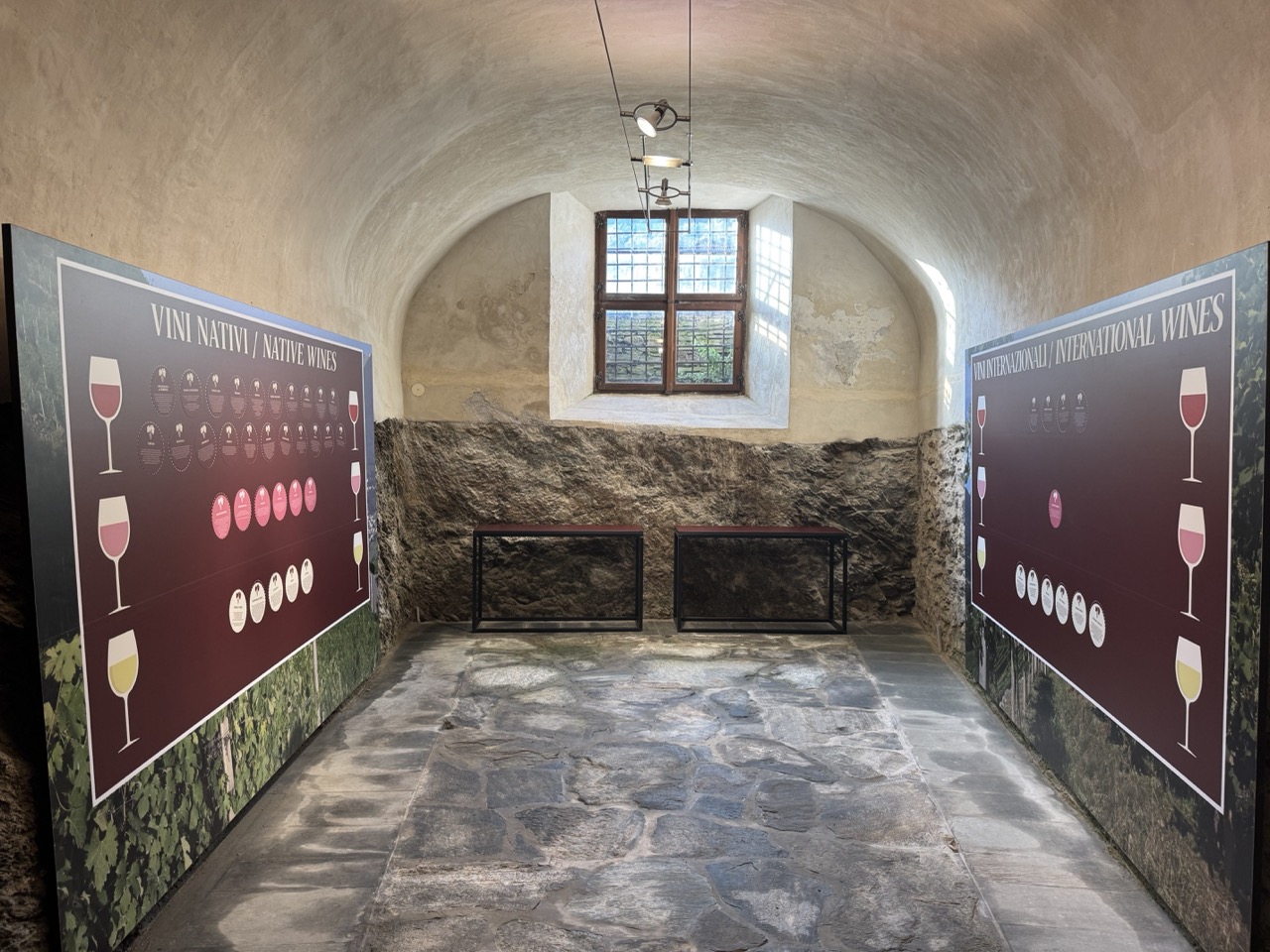
As soon as you enter, you are welcomed by a fresh and quiet atmosphere. The thick walls of the building naturally protect from the heat and create a cozy, almost muffled environment. It is here that the journey through the world of wine begins, not just as a product, but as a vivid narrative of Valtellina and its roots.

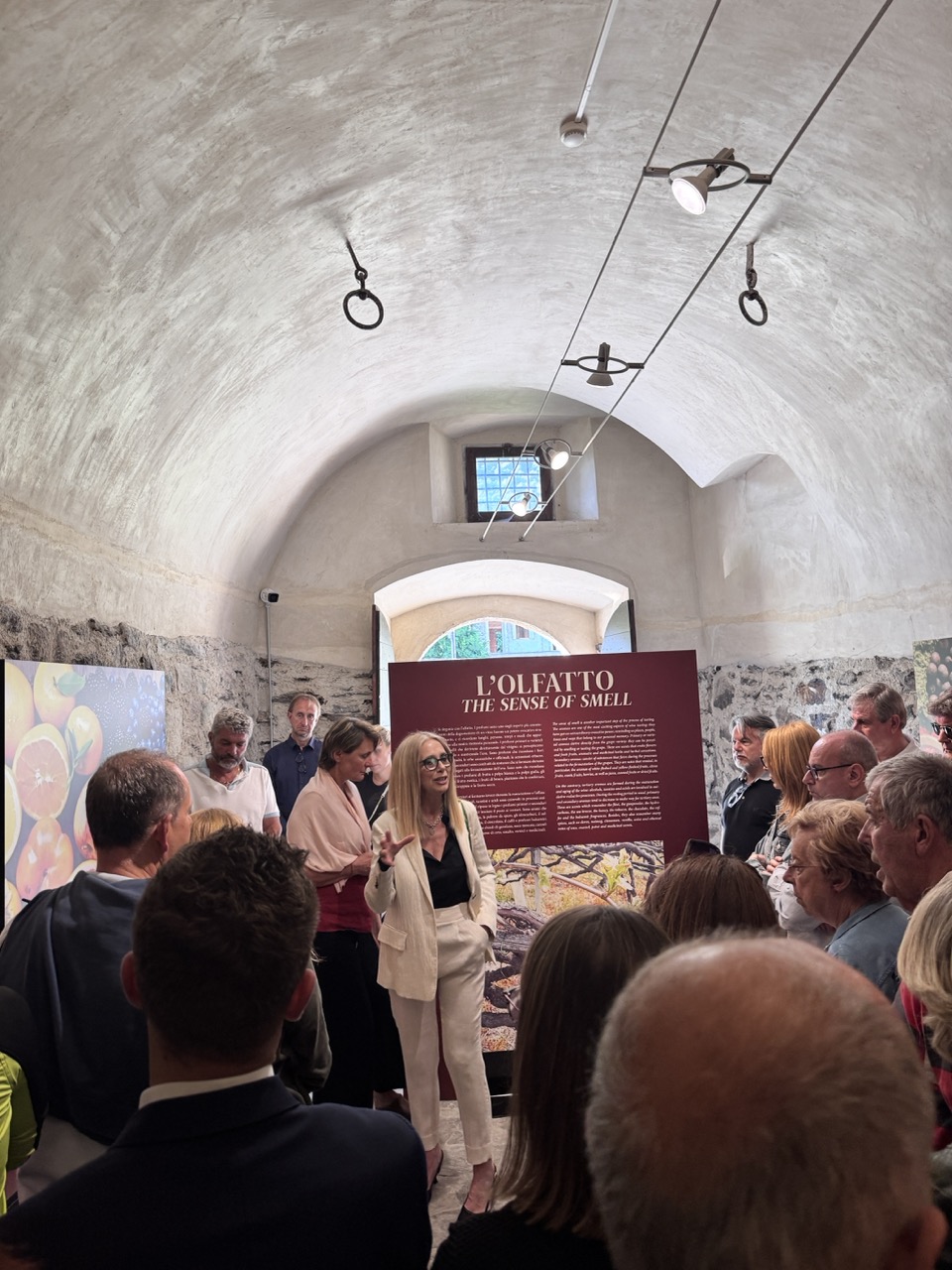
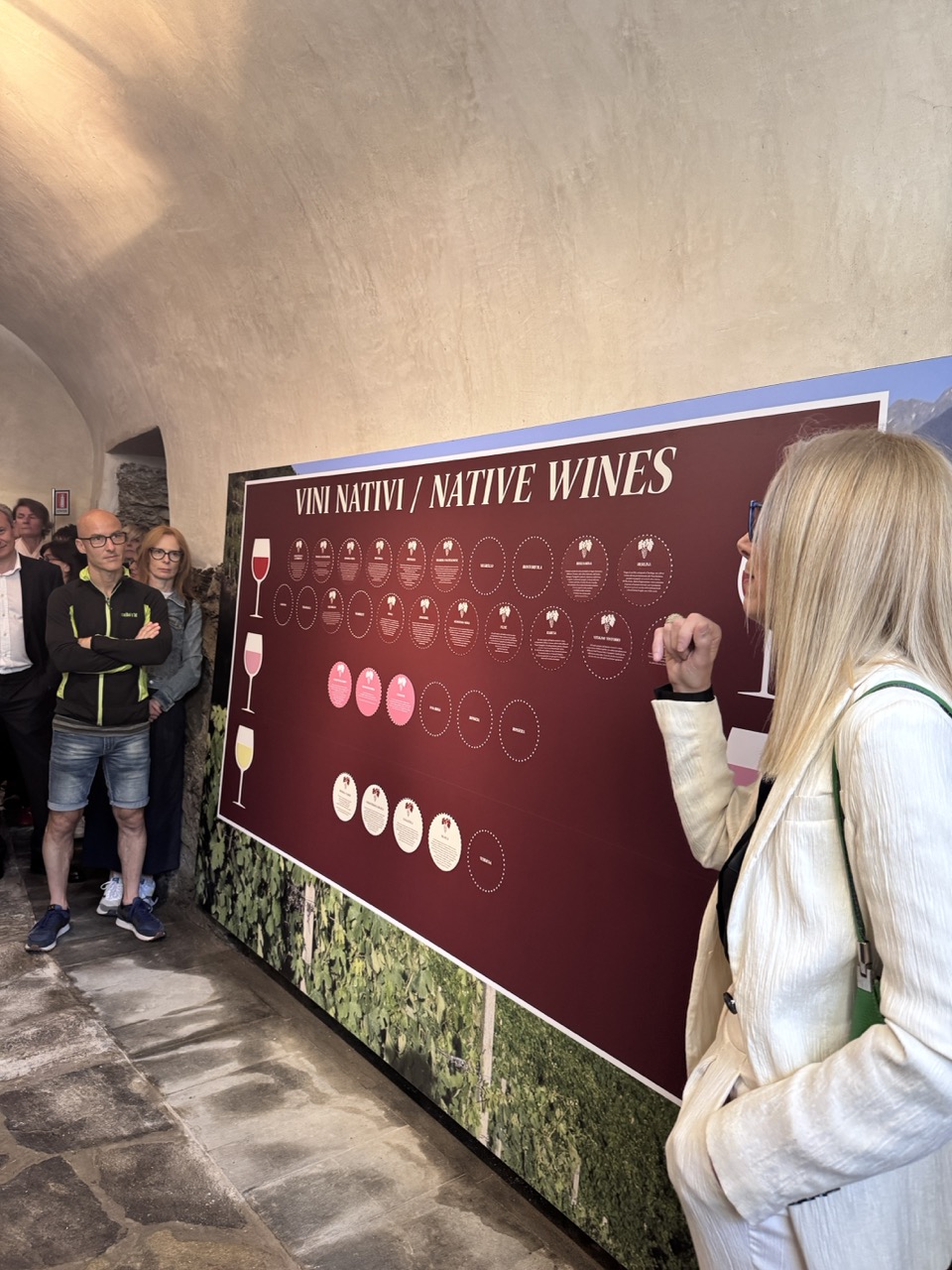
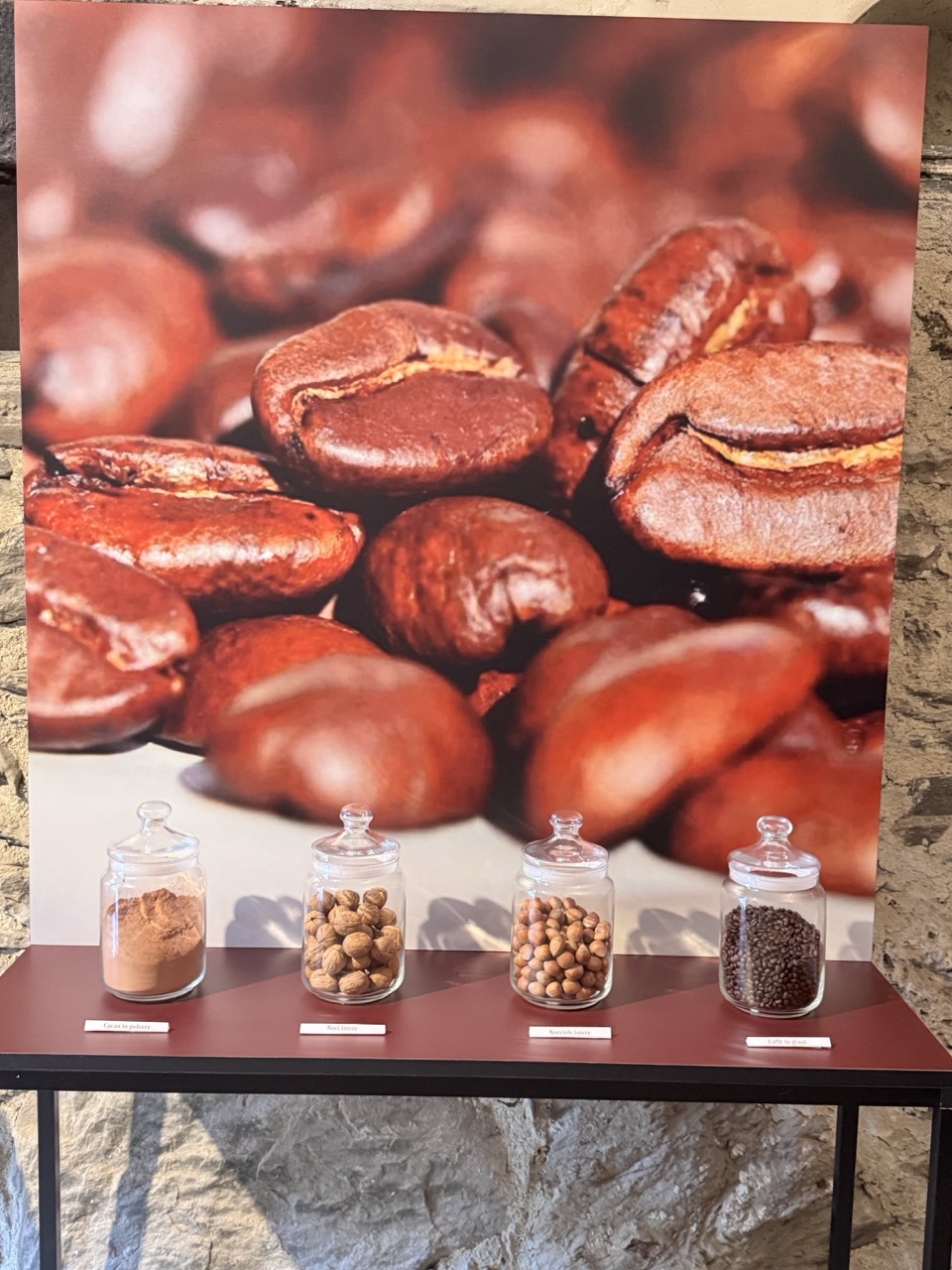
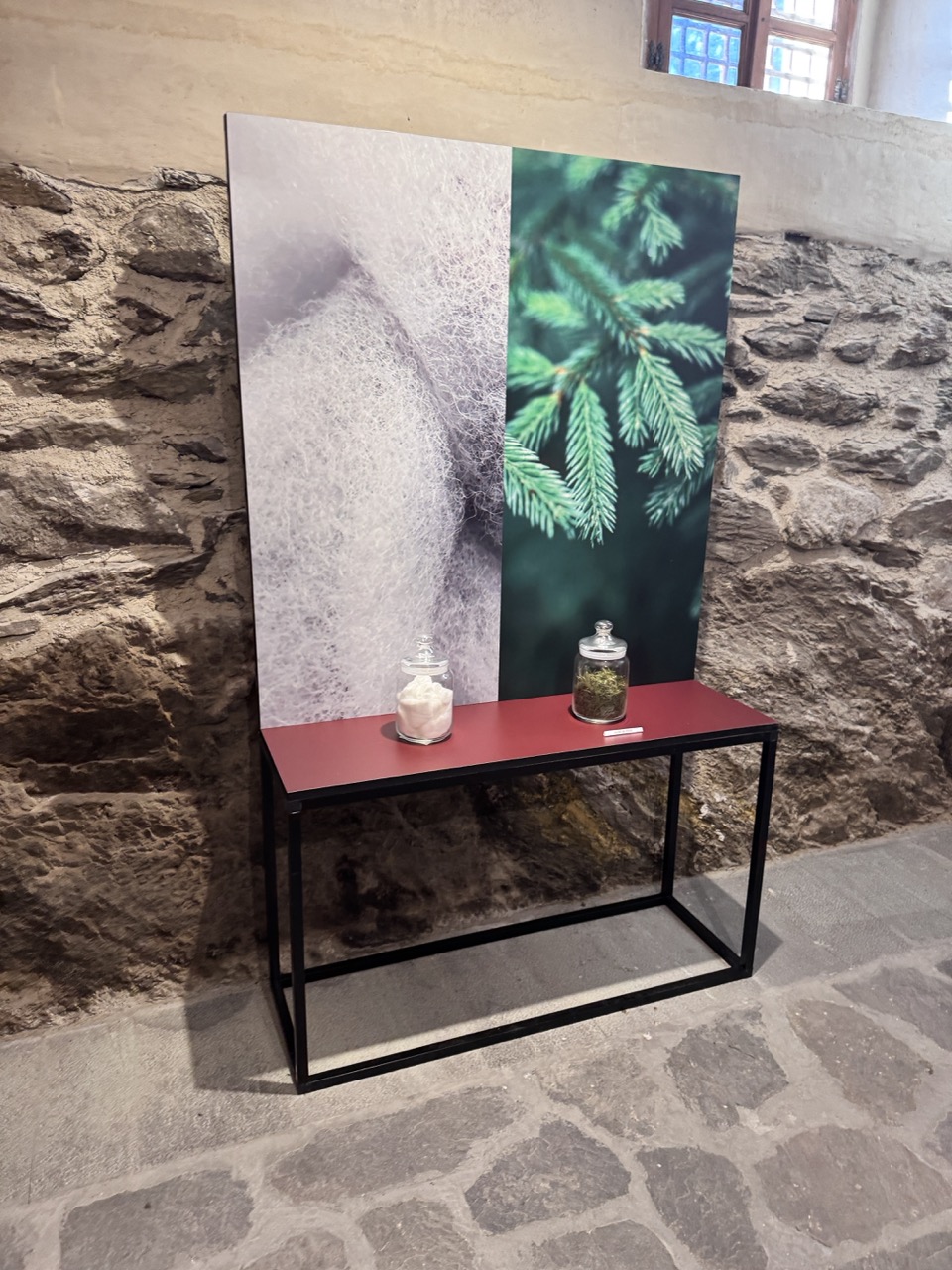
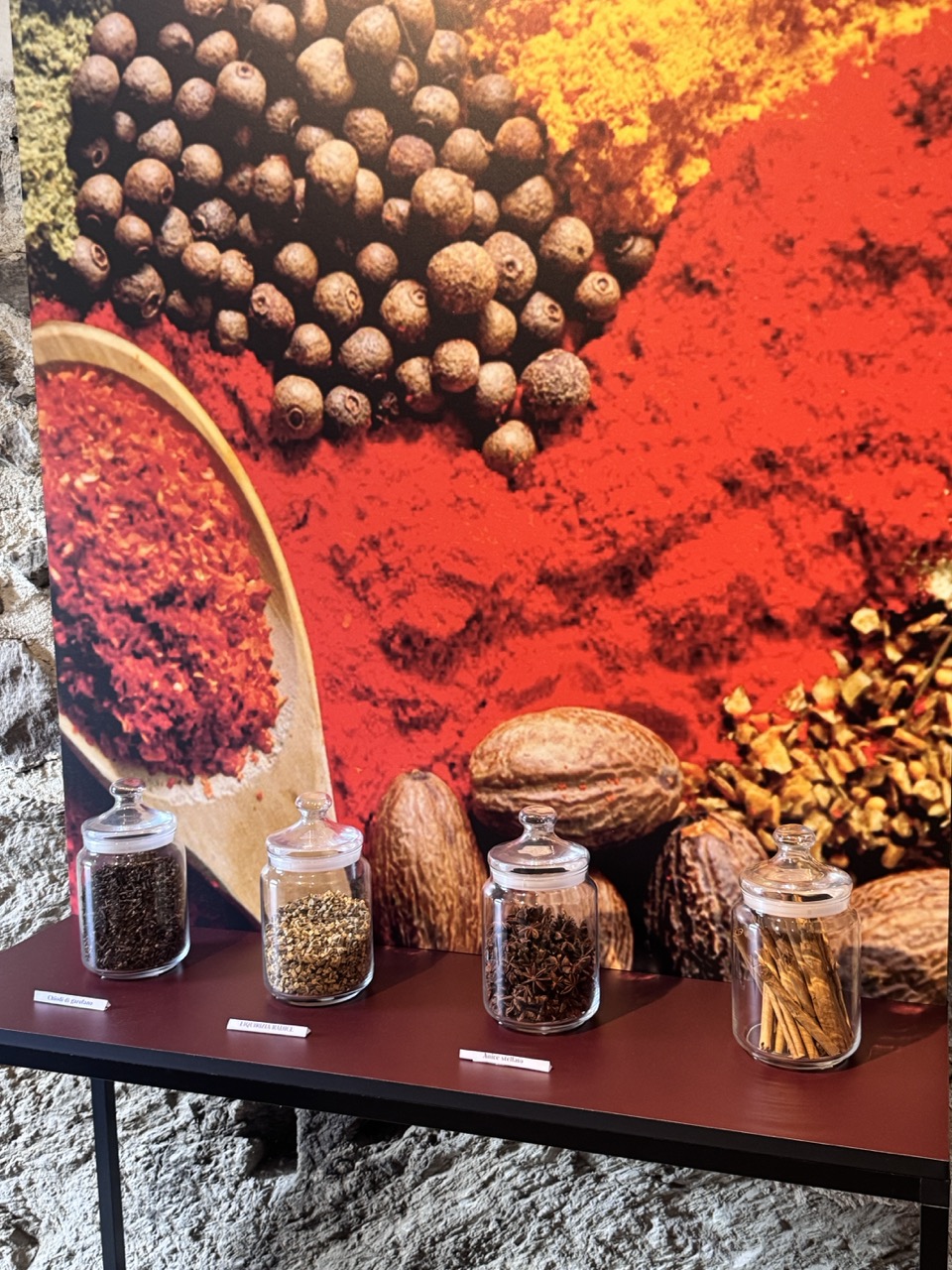
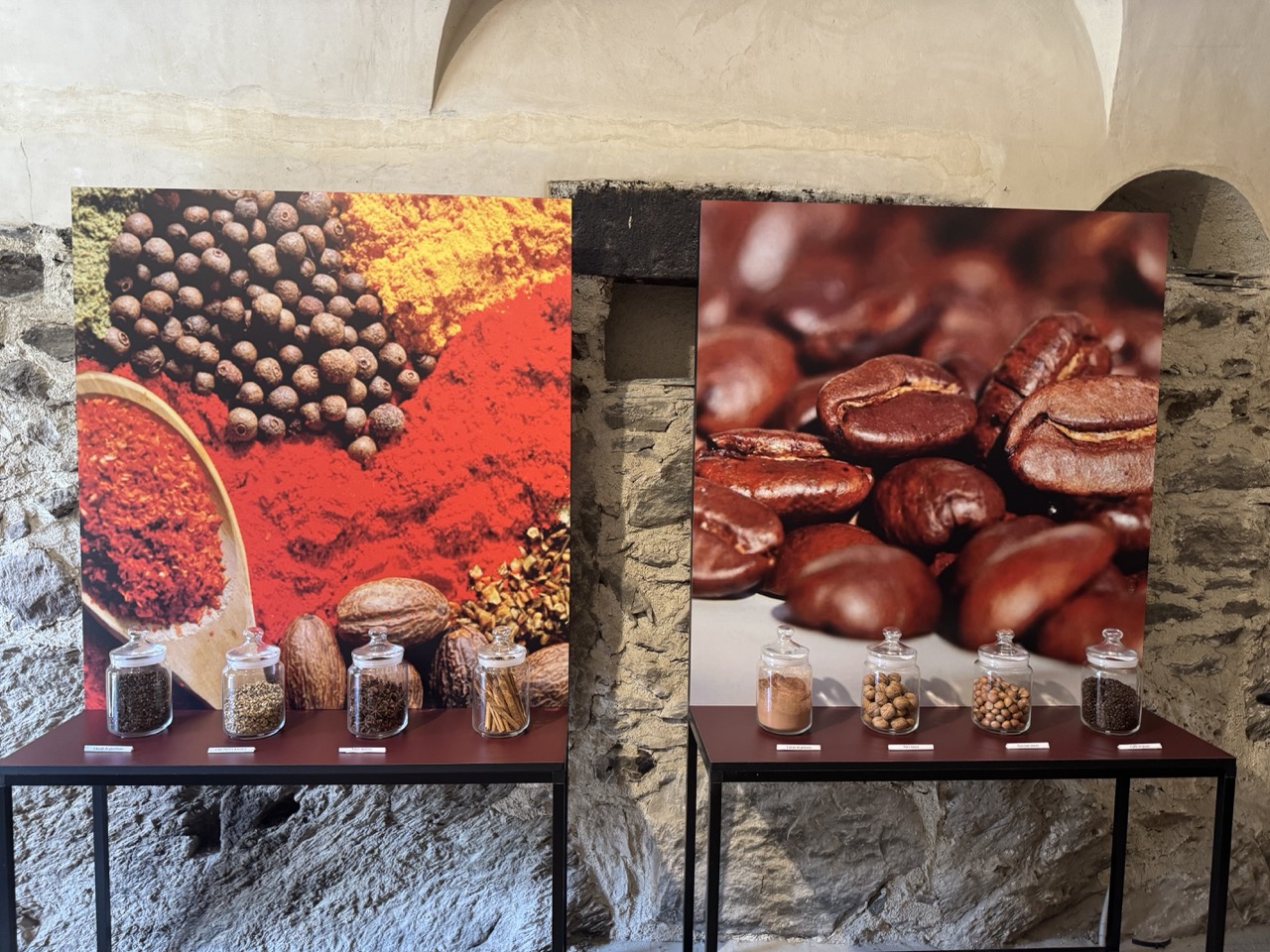
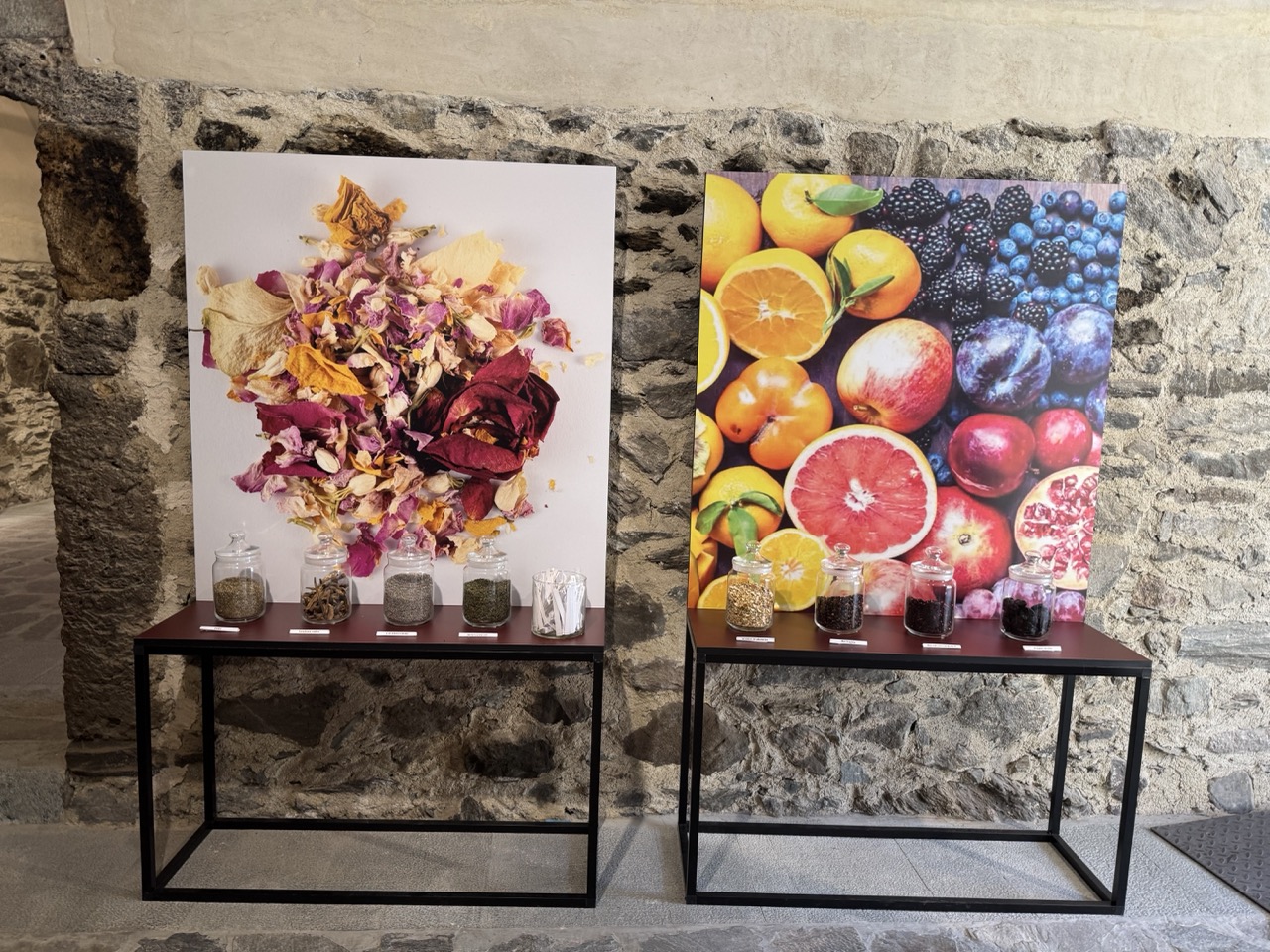
The exhibition is designed to : it transitions from immersive settings to interactive installations that allow visitors to recognize the typical scents of wine contained in jars to open, smell, and compare. Berries, aromatic herbs, citrusy aromas, notes that often escape those who are not experts, but that – once perceived – help to better understand what is in the glass.

An example? To smell the aroma of thyme or strawberry, and then find it – perhaps unknowingly – in a wine tasted shortly after. Small connections that make the experience more personal, more complete.

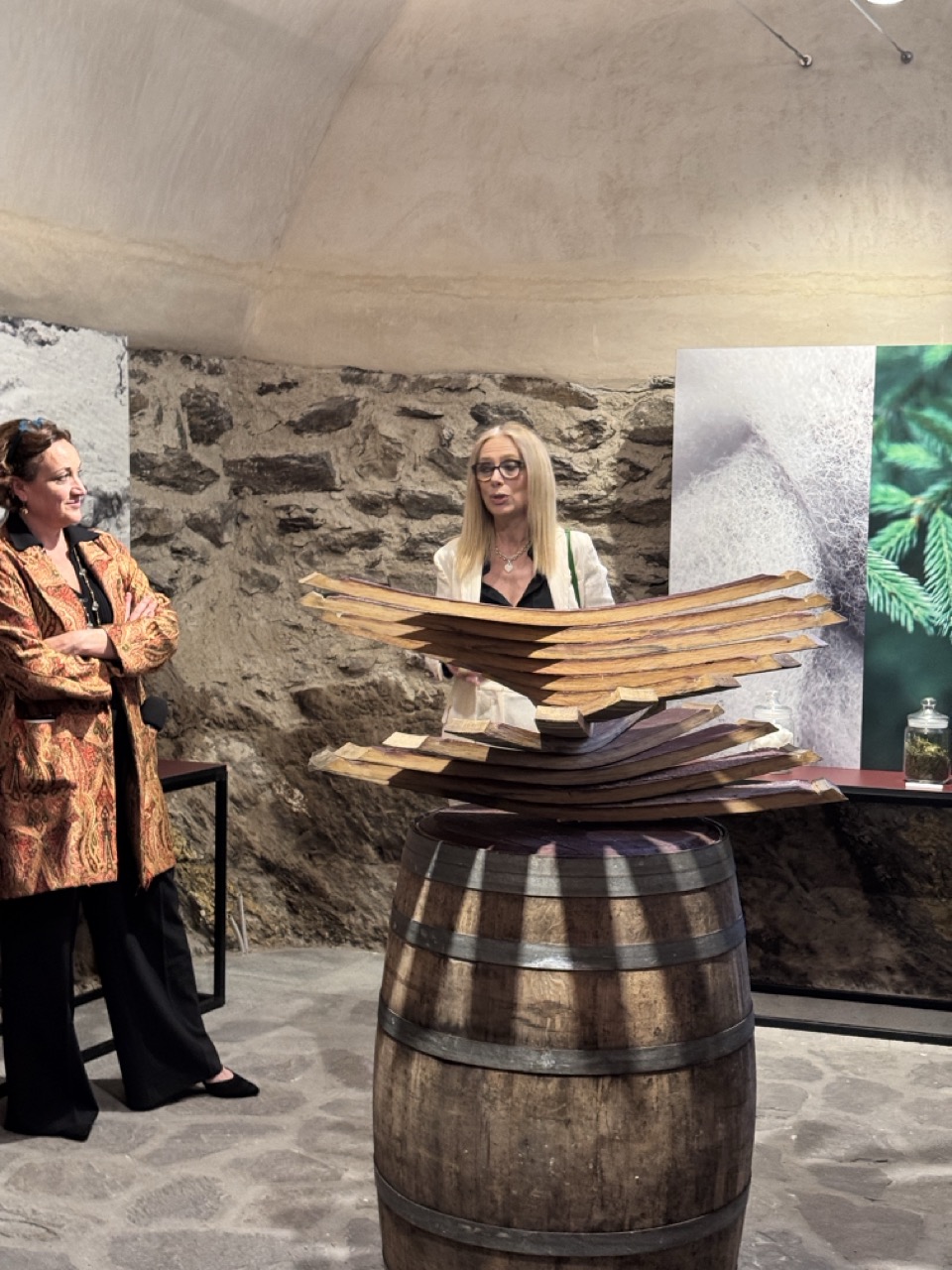
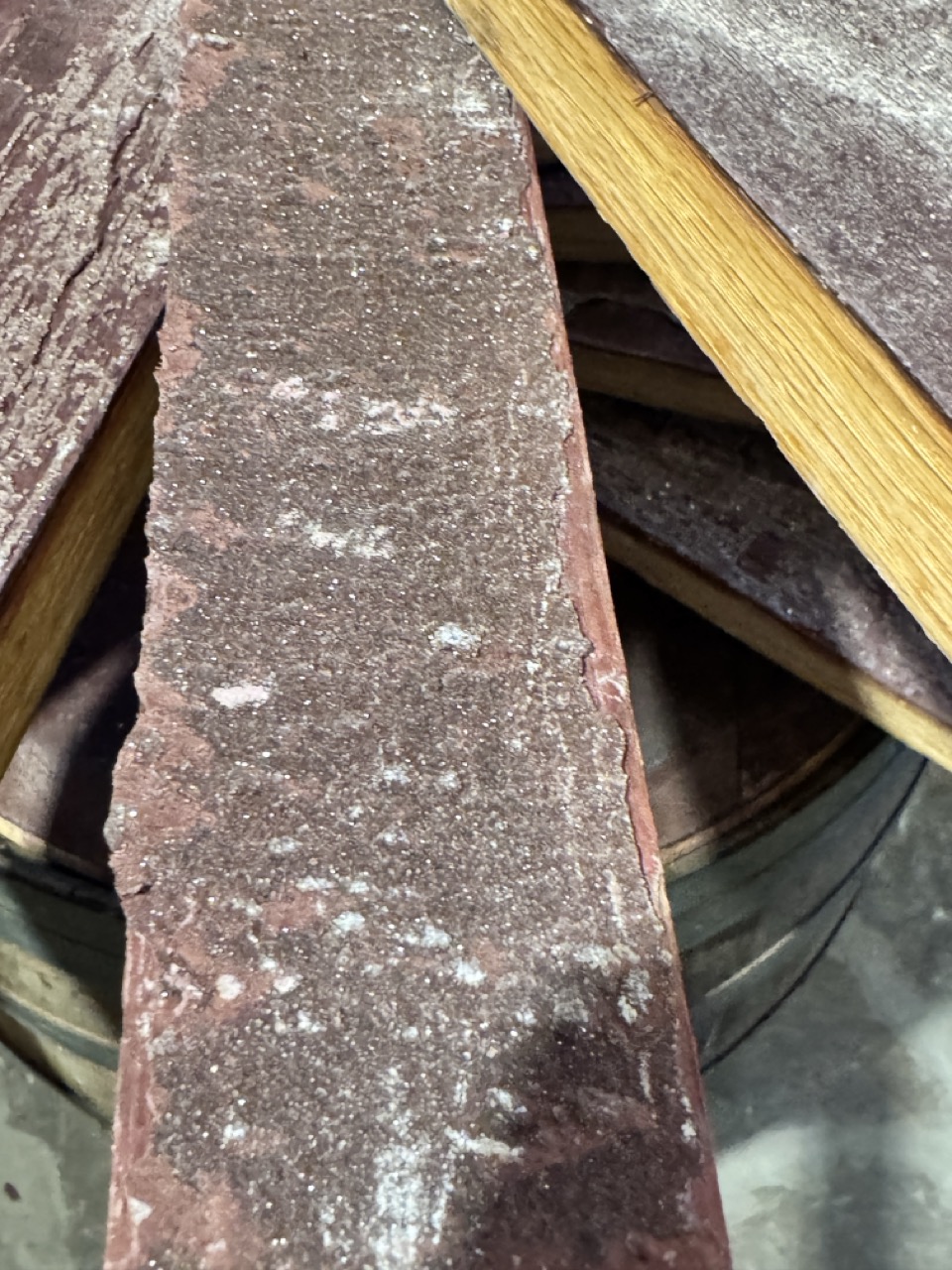
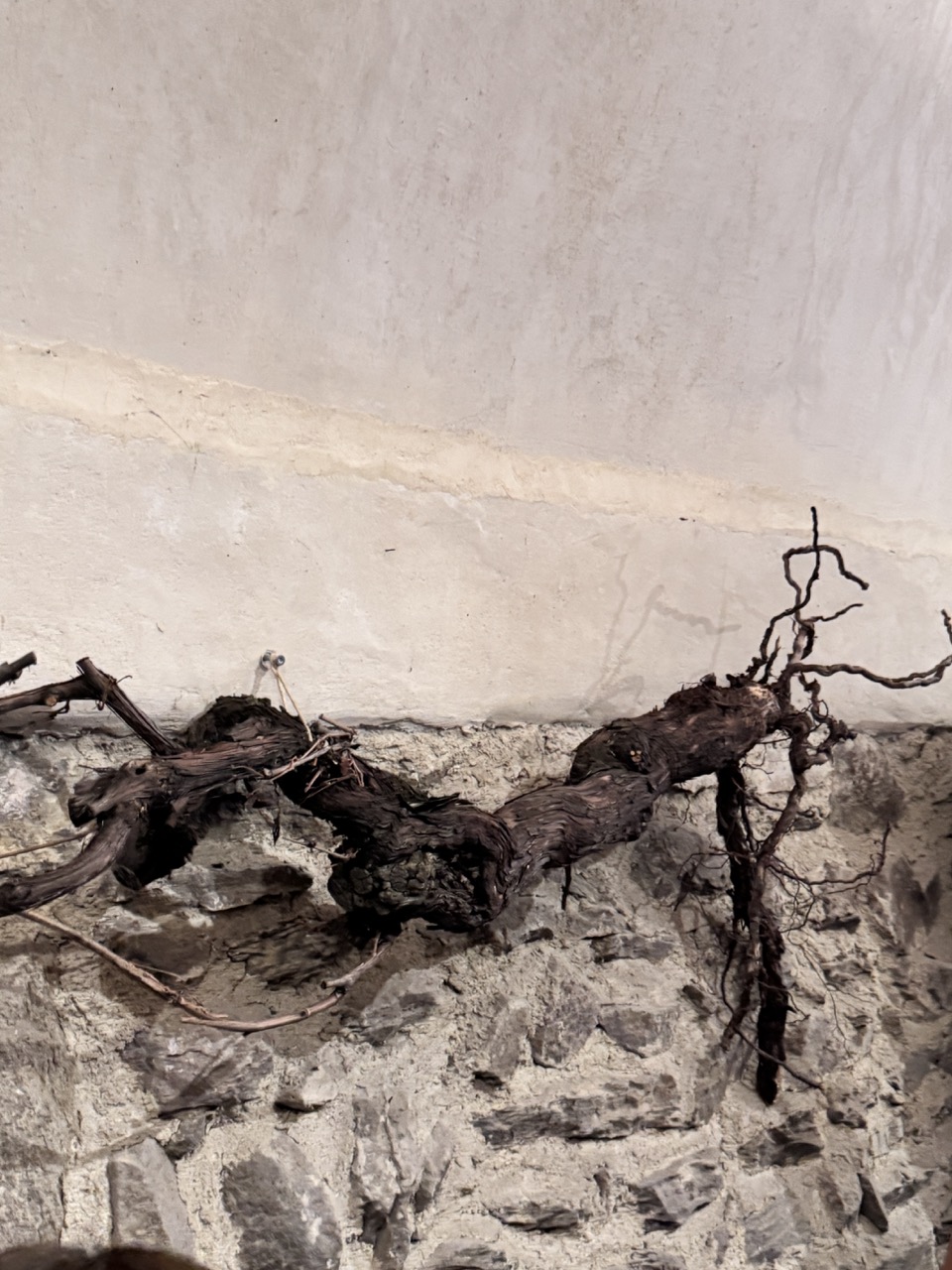
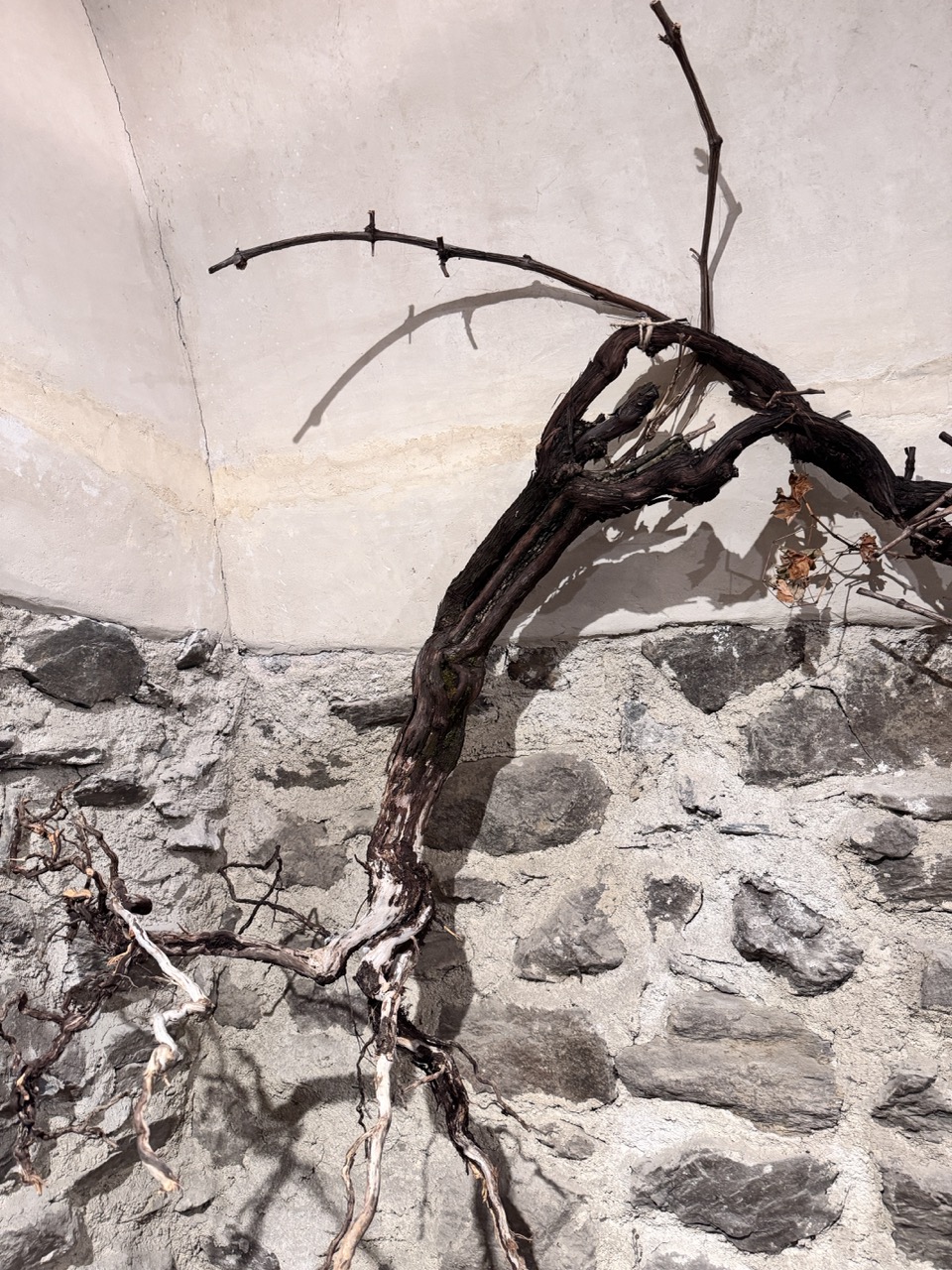
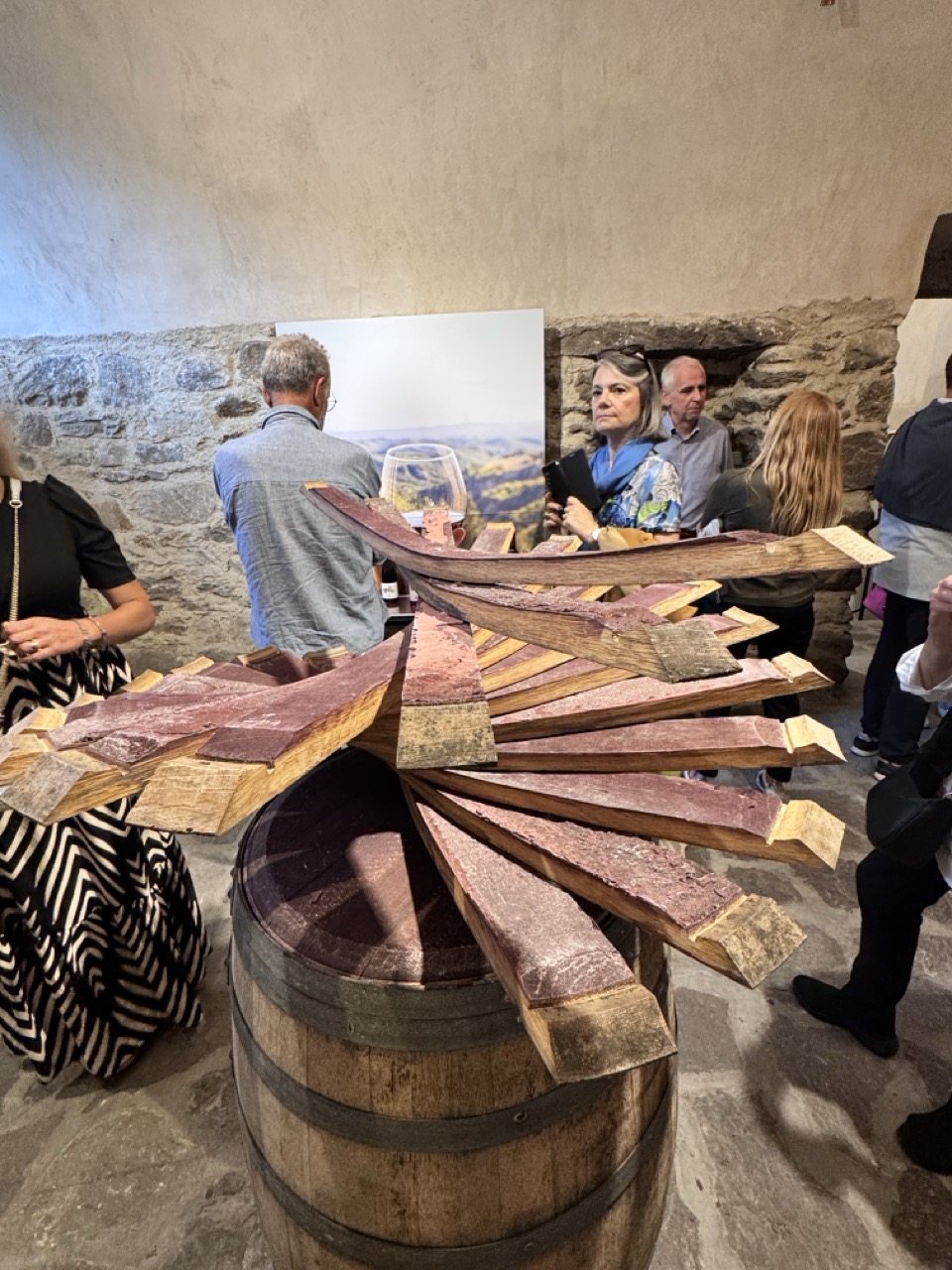
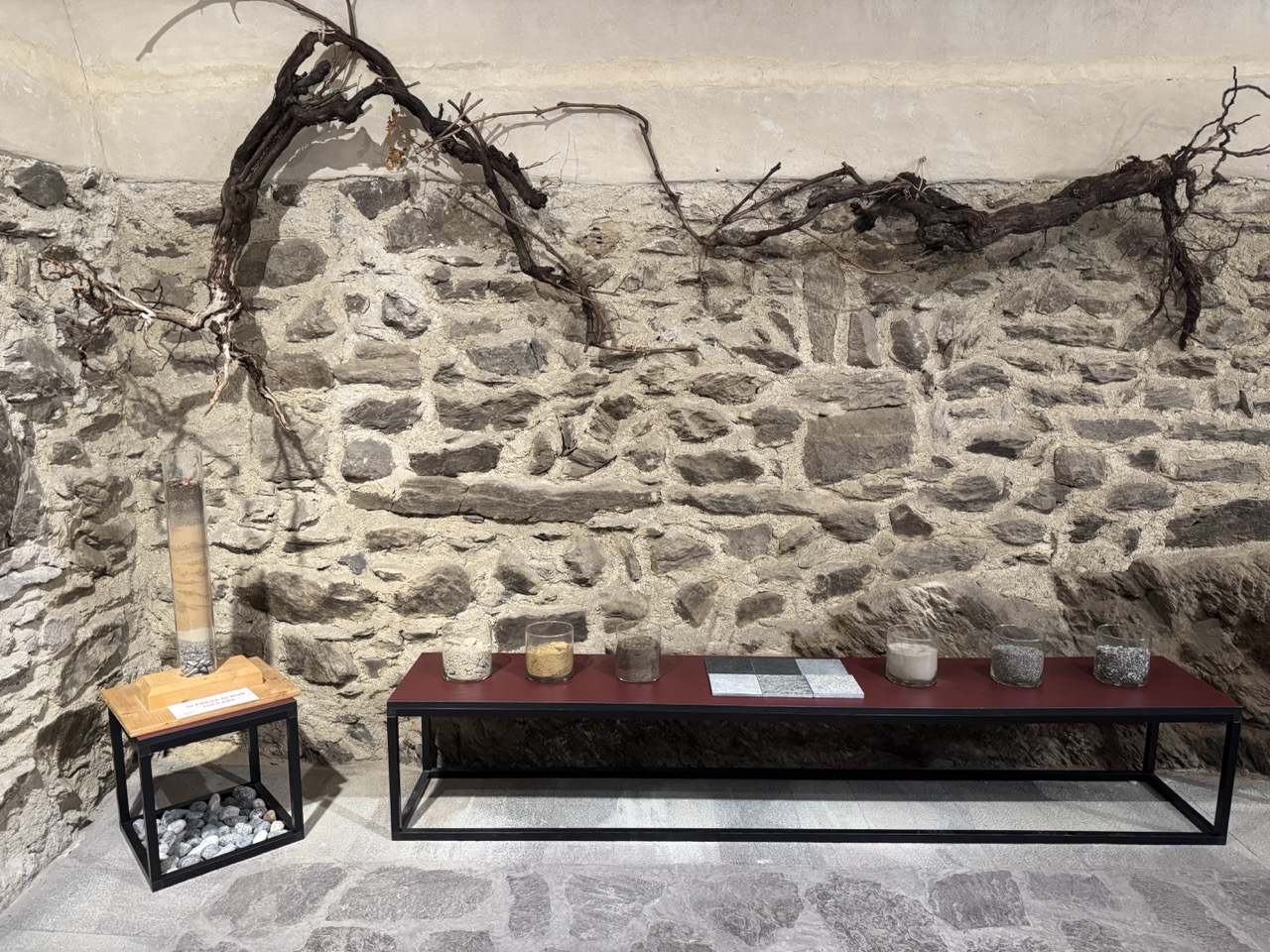
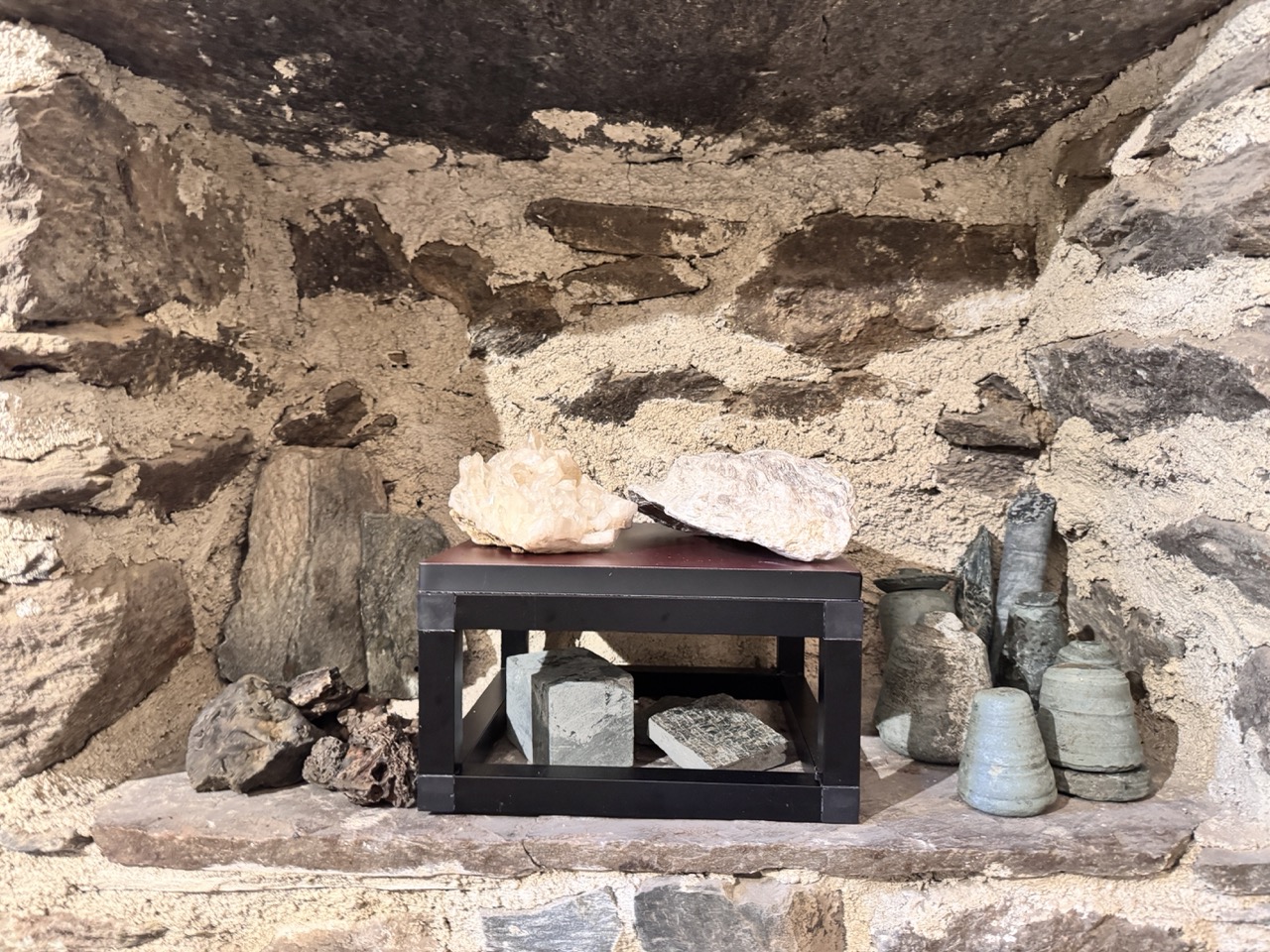
The more technical part is also striking: a sectioned barrel shows how time and wine leave traces on the wood. The deposits of tartaric acid, similar to sandpaper, are periodically removed to keep the wood alive and suitable for preservation. Next to it, a vine removed over fifty years ago. And then a transparent jar with different layers of soil: sand, stones, marl… all to visually demonstrate – that the wines from Sassella, for example, mature in just 50 centimeters of soil. Yet, from there, an extraordinary wine is born.

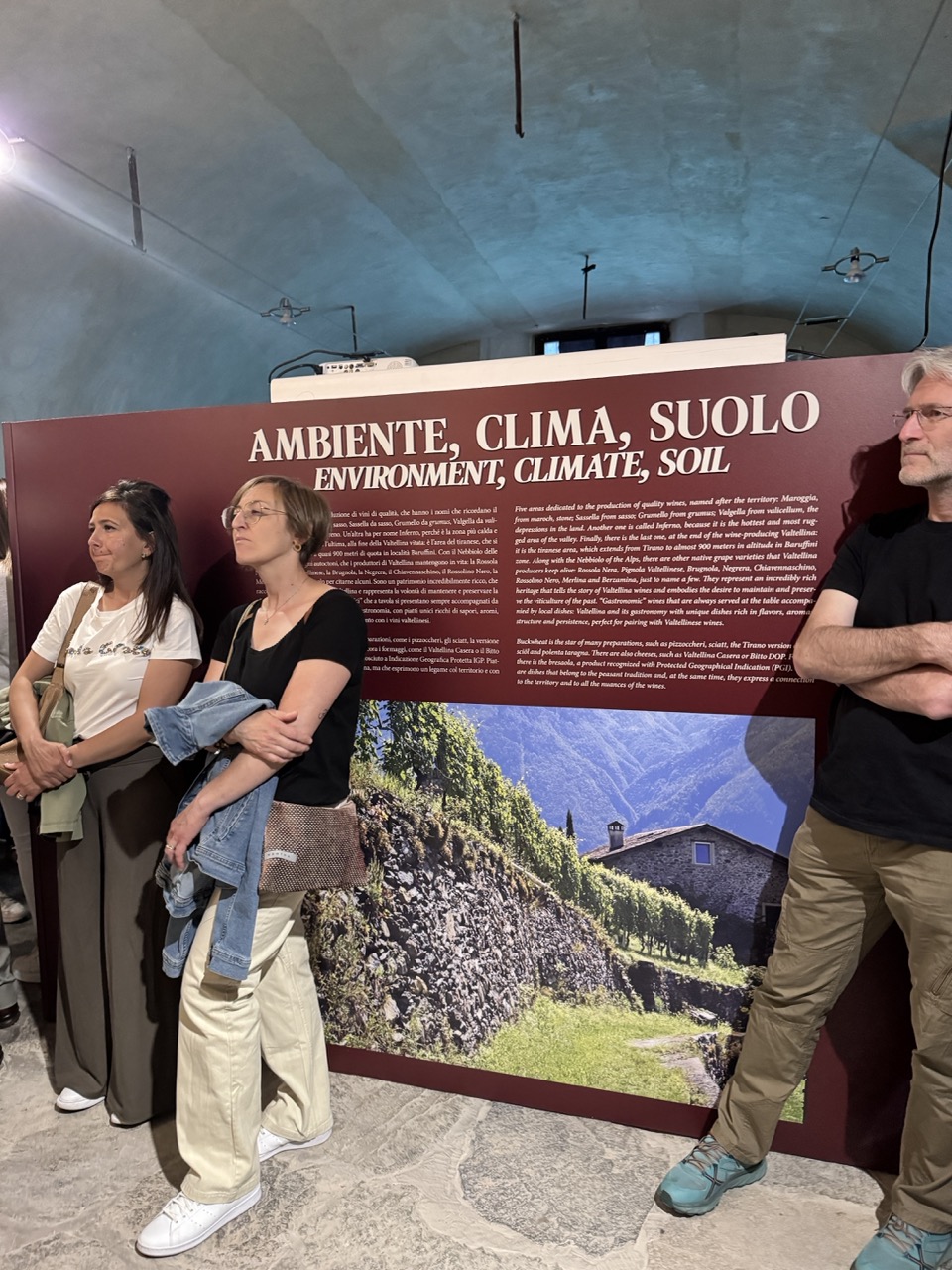
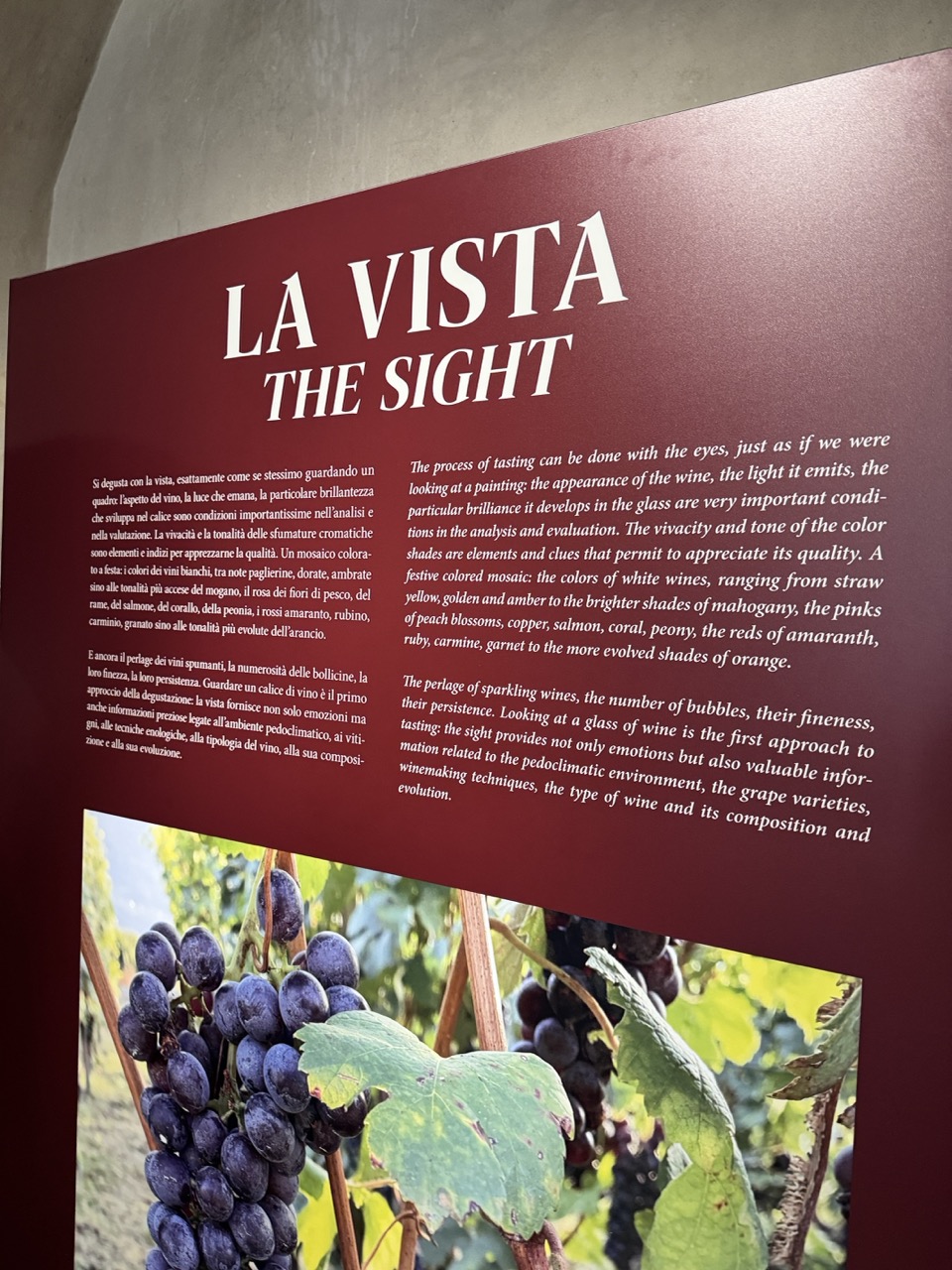
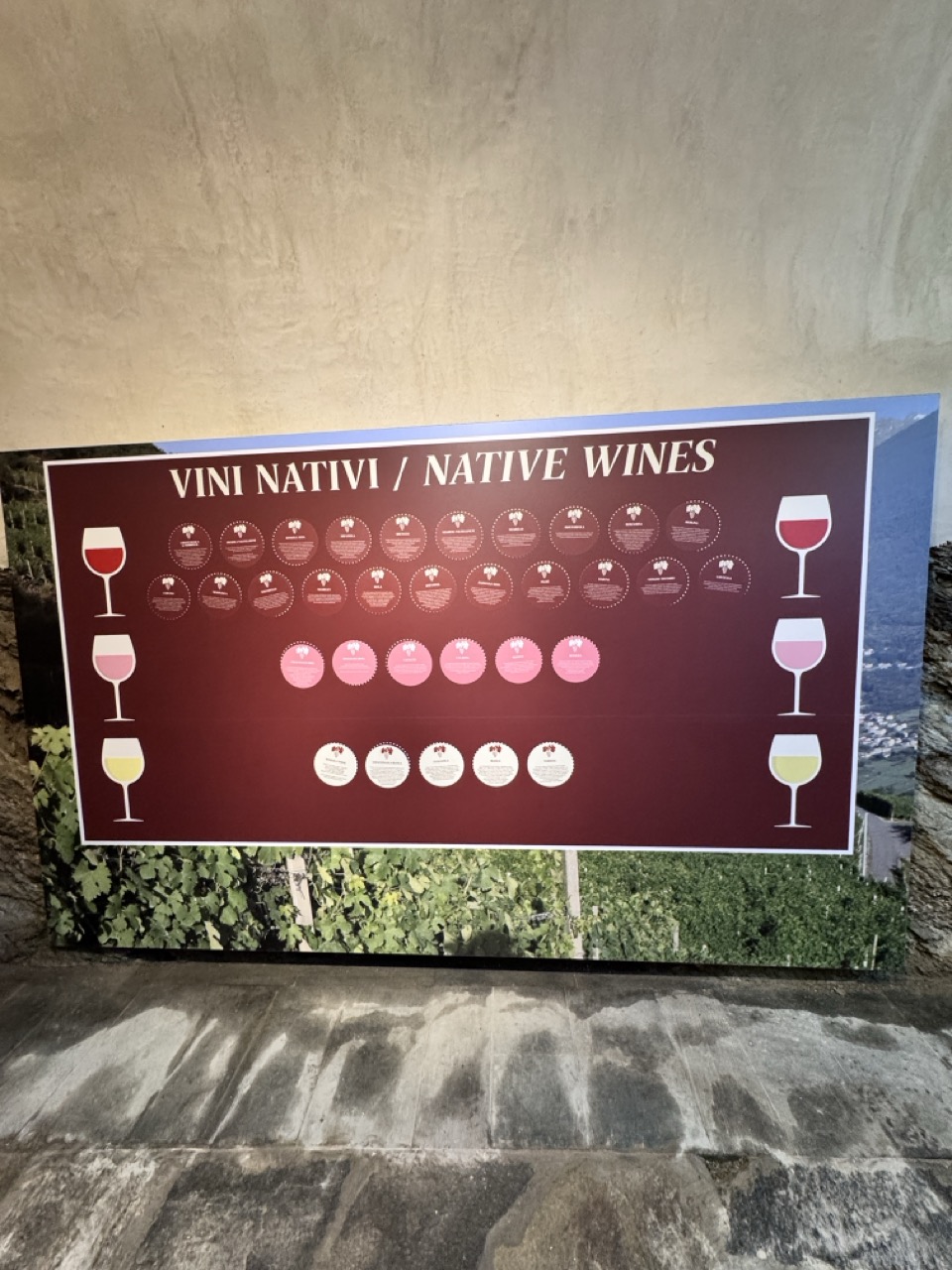
Each room is accompanied by explanatory texts in Italian and English, detailing what is presented. But what truly made a difference was the way Sara Missaglia guided us: her storytelling was like a journey into her world, that of wine, which she knows deeply and to which she has been connected since childhood. She moved us, carrying us along with simple and passionate words, making us feel part of something greater.
This exhibition stems from the desire to tell the deep connection between wine and the Valtellina territory, rich in terraces that shape the landscape and testify to a heroic viticulture. Not everyone has the chance to visit a sloping vineyard, walk among the rows, and see up close how much work goes into it. And it is precisely to these people that the project is addressed: to make them experience— even if only symbolically— the toil, passion, and dedication that revolve around the vine, 365 days a year. Because work in the vineyard never stops, and in Valtellina, it is not just a job: it is part of the landscape, culture, and daily life.

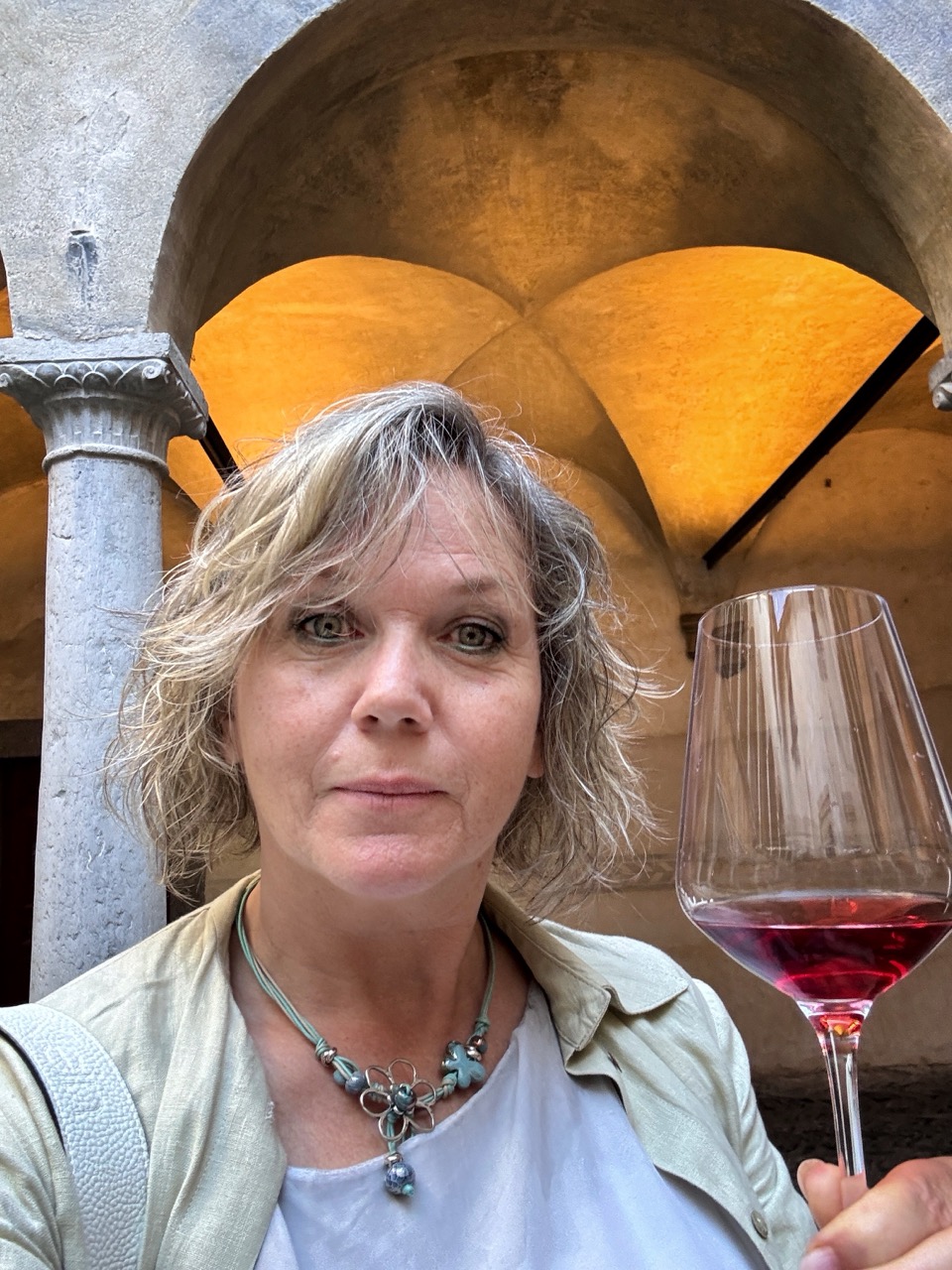
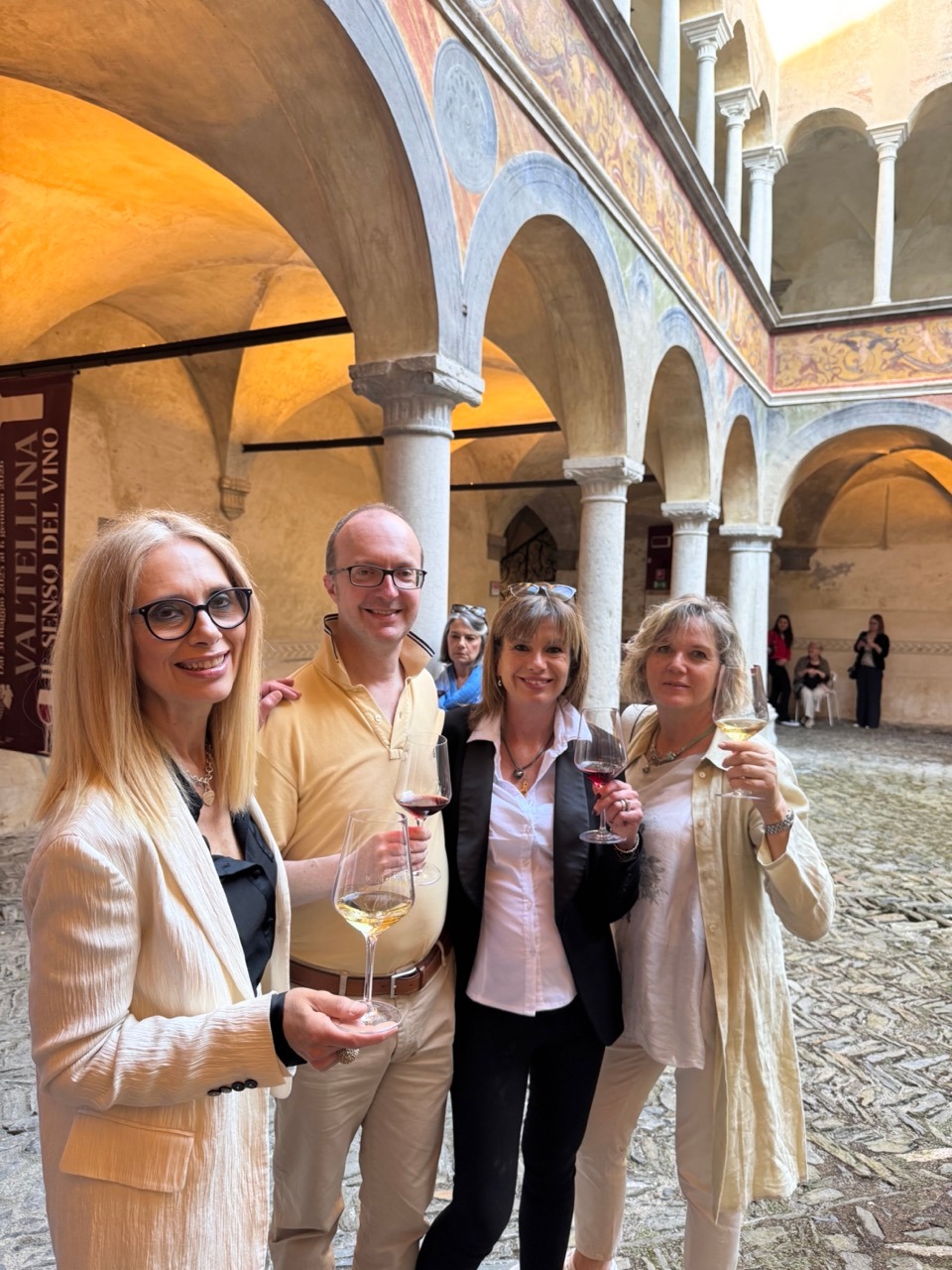
I was struck by the participation: producers, enthusiasts, curious ones, all people genuinely interested in knowing and enhancing our wine. And in the end, we tasted together the wines of Nera and Caven, with pleasure and awareness.

I left Palazzo Besta with a nice feeling. Satisfied. Because I saw that not everyone is just looking for the festival or the village fair, but there are still those who want to discover cultural events linked to the territory. Those that leave you with something.

The exhibition will be open until January 6, 2026, thanks to the support of the Consorzio Amedeo Valtellina, BIM, the Municipality of Teglio, the Fondazione Pro Valtellina ETS, and with contributions from Nera Vini, Caven, and Enoteca Le Rocce.

An opportunity to rediscover one of the most beautiful places in our valley and to approach wine in a different way. Deeper. More aware.

Altri articoli che potrebbero piacerti