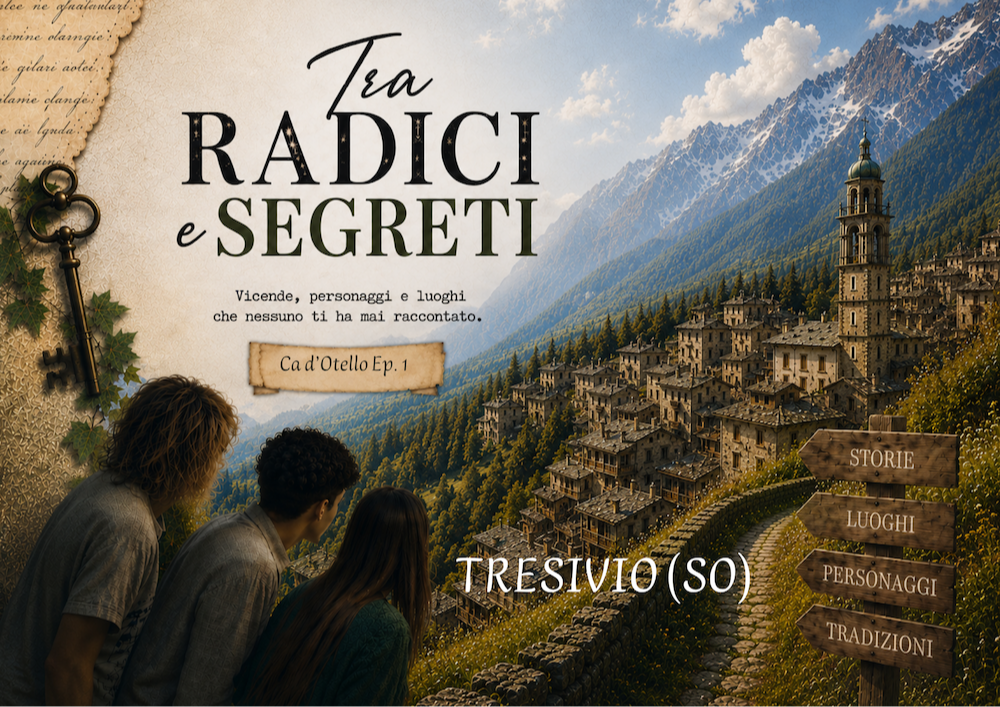
A day in Sostila, the ghost town

Sun, 06/07/2025 - blog

There are places that call you slowly, slowly... until you reach them.
Sostila, in Val Fabiolo, is one of these.
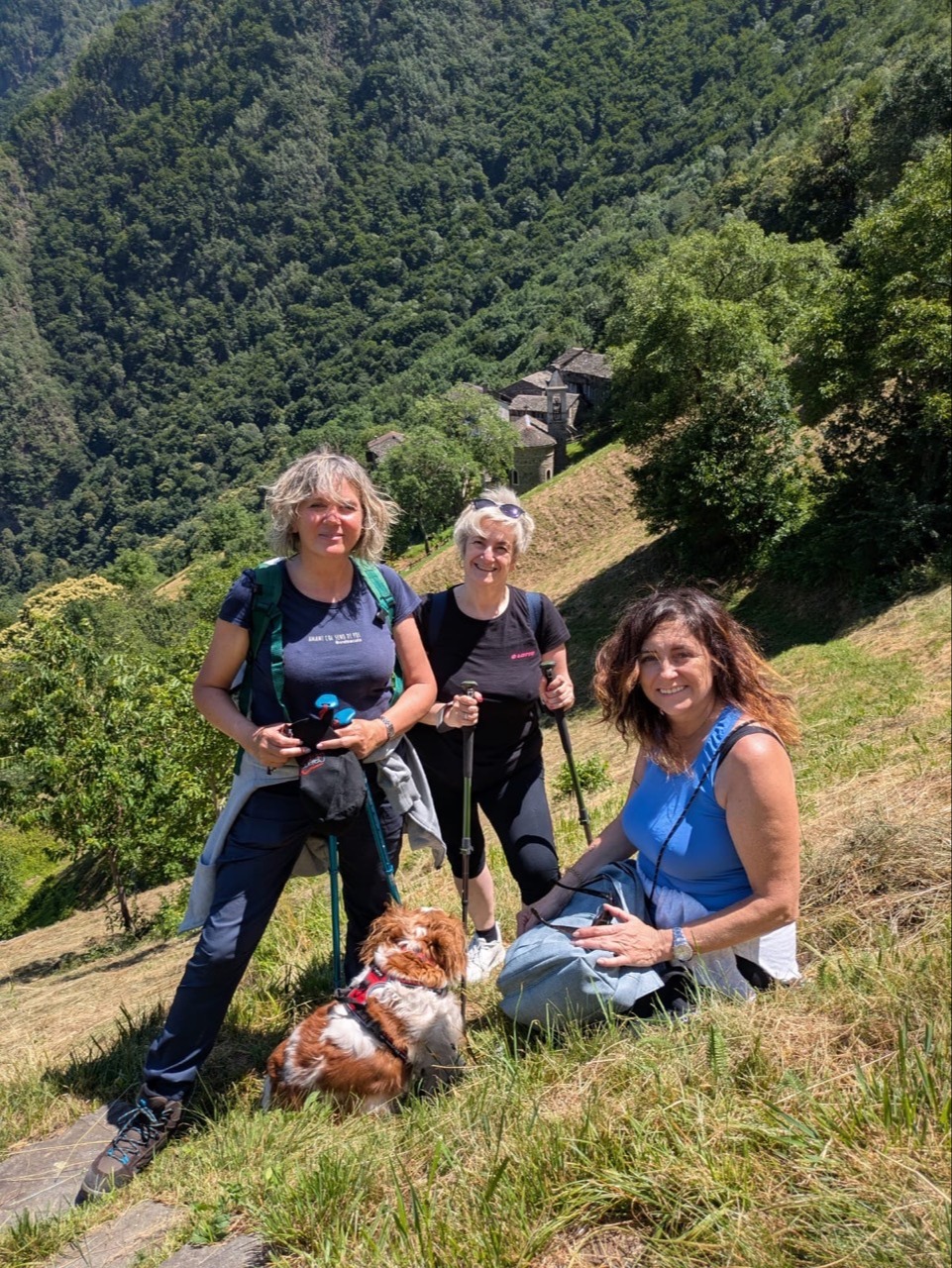
I had been wanting to go there for a long time. I had heard about it, I had read stories and anecdotes, but nothing is like seeing it with your own eyes. So, one day, I called my friends and we decided: let's go.

blog

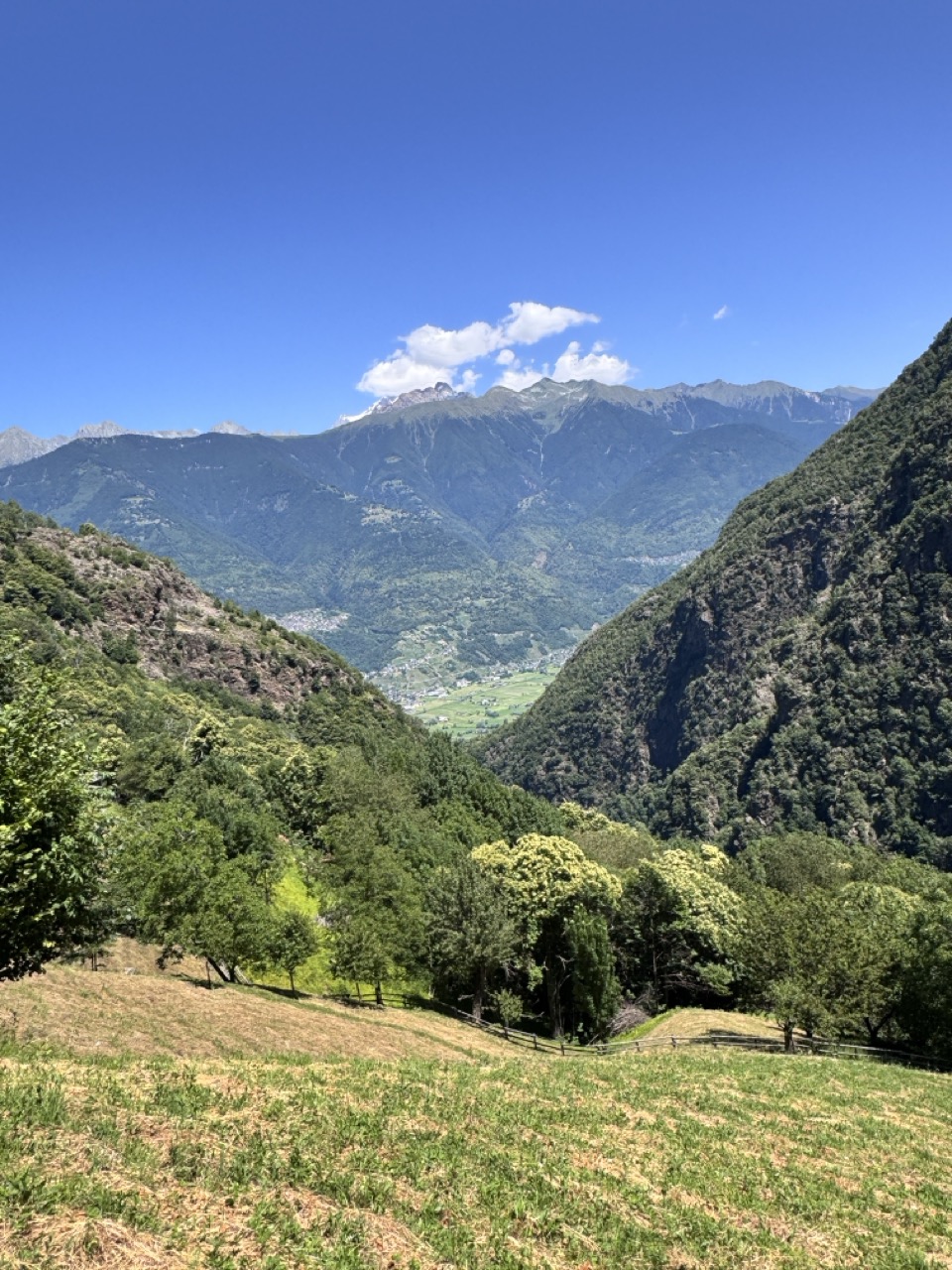
To get there, you need to leave the car rather far away.
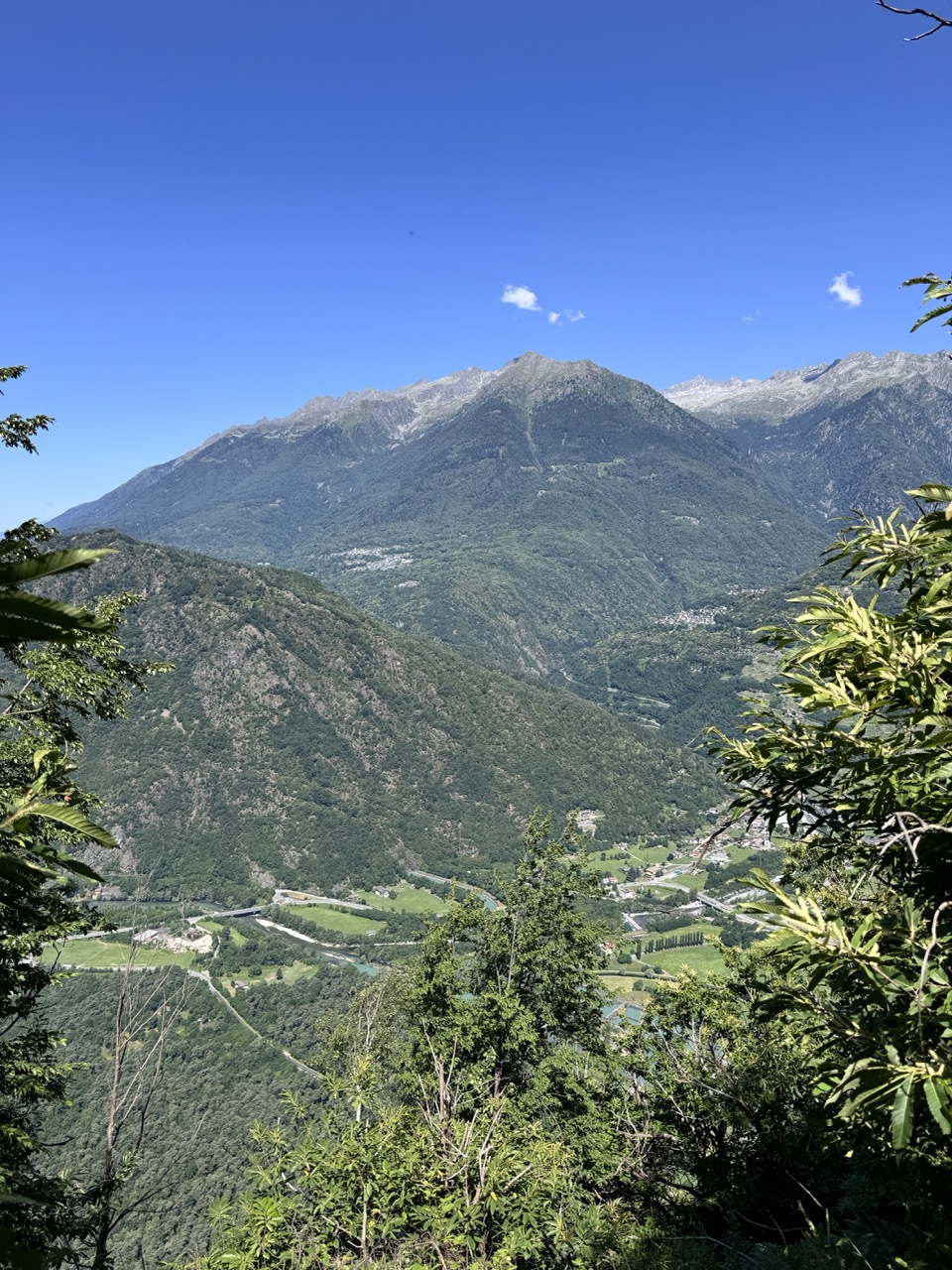
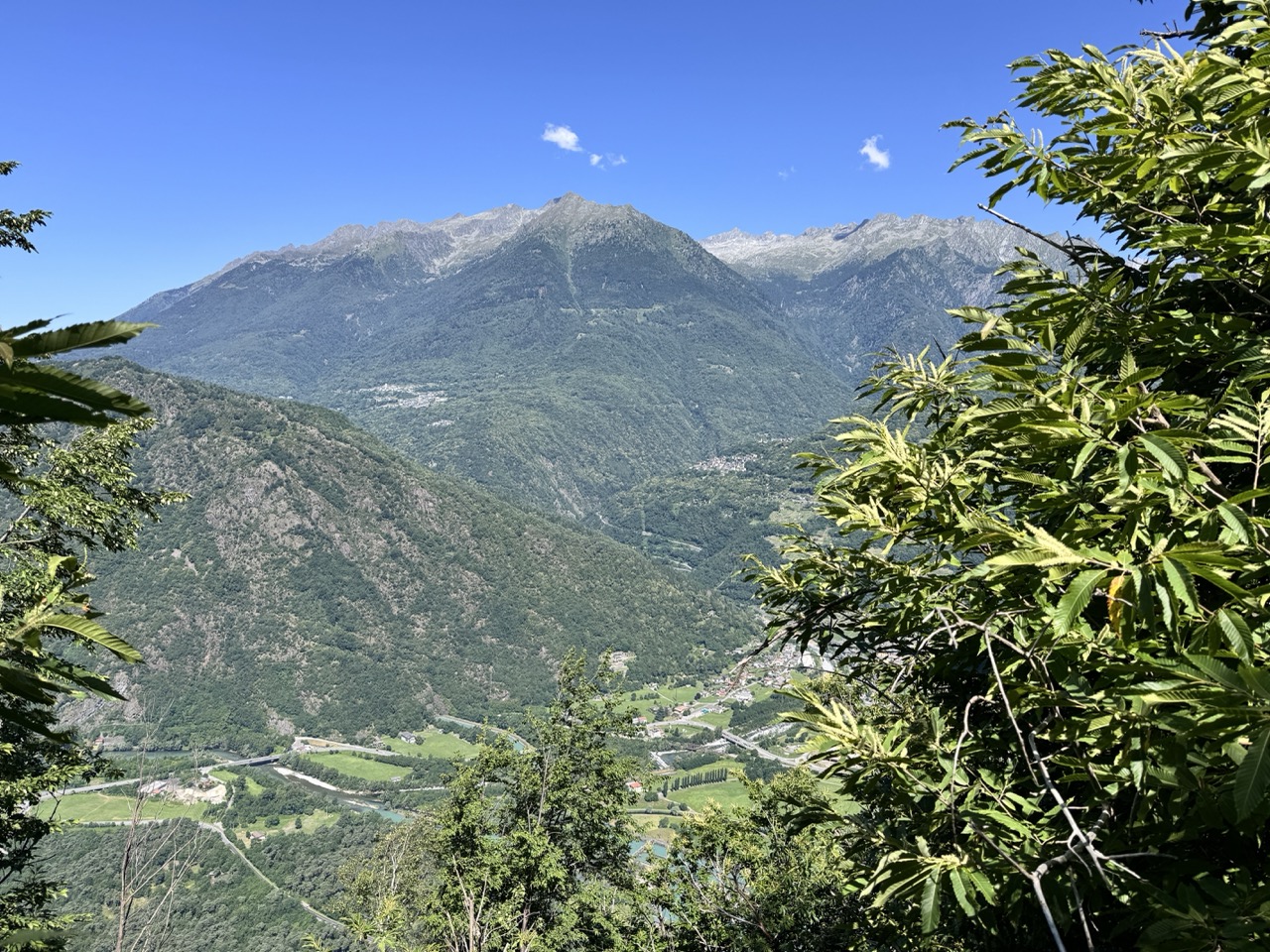
There are no roads that lead directly to the village: you can only arrive on foot, following a path that starts from the Sirta or a shorter trail that you can take after the tenth hairpin bend of the road to Tartano.

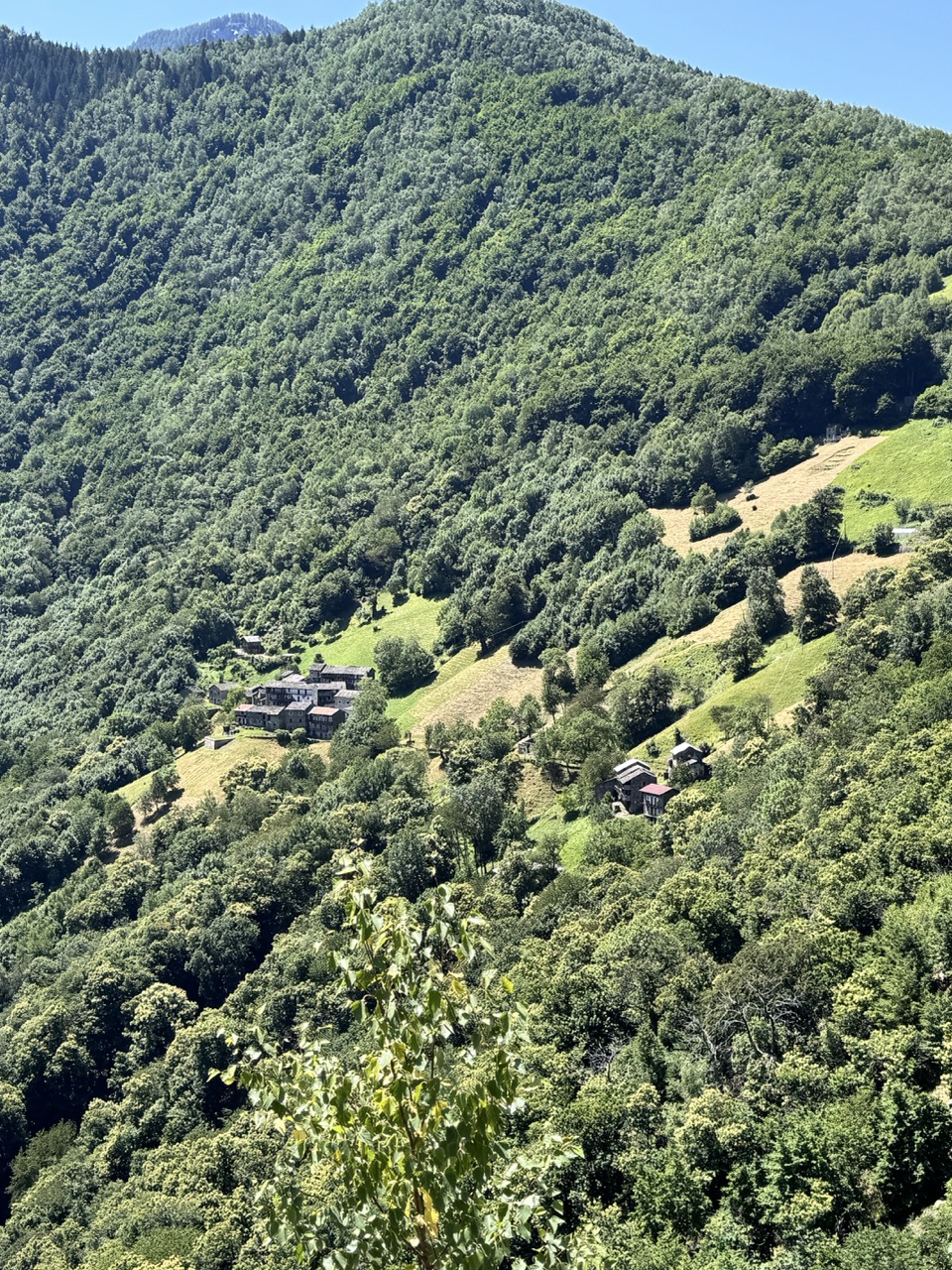
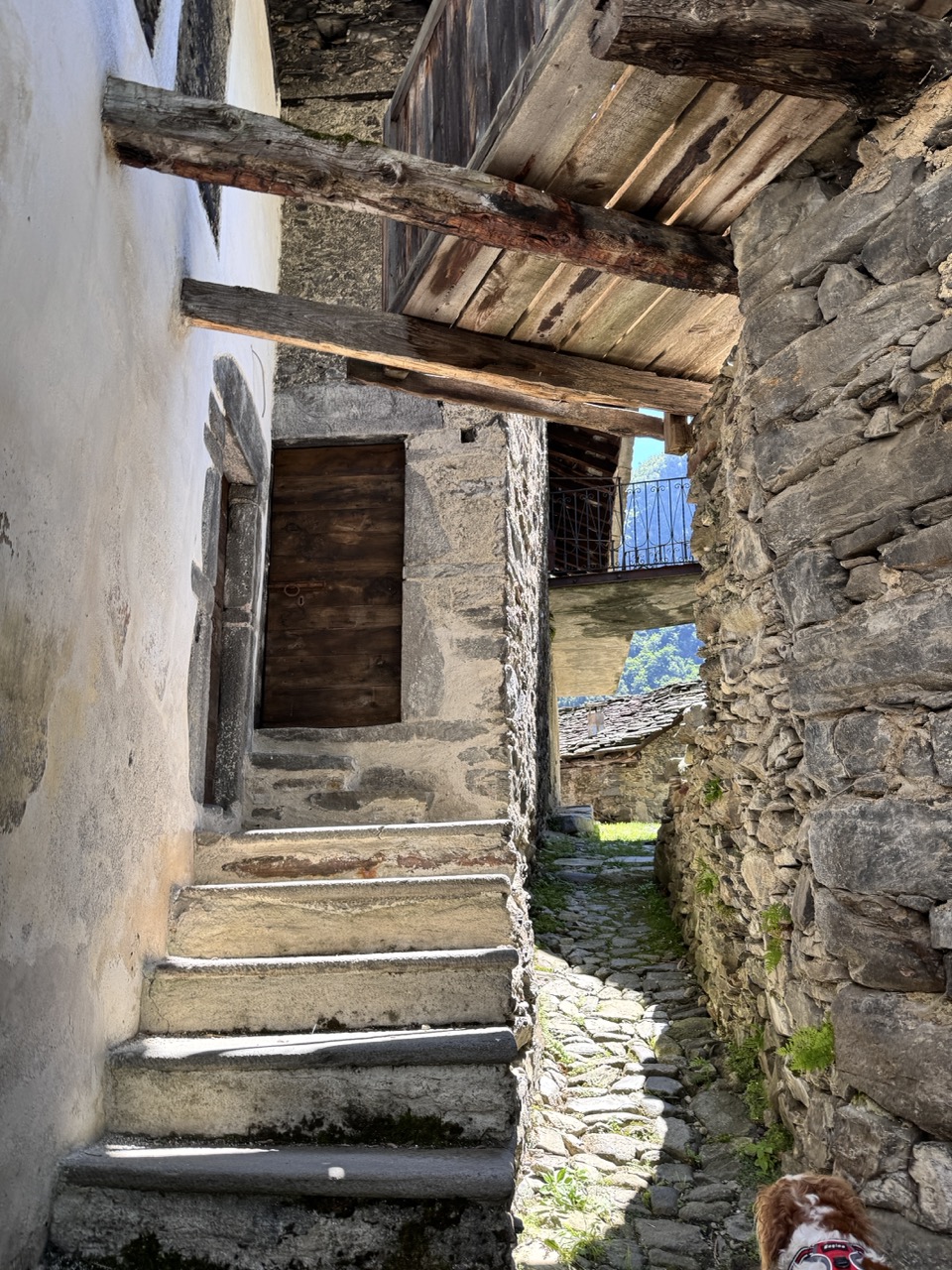
When the path ends, a small village appears in the distance, gathered, silent, where time seems to have really stopped.

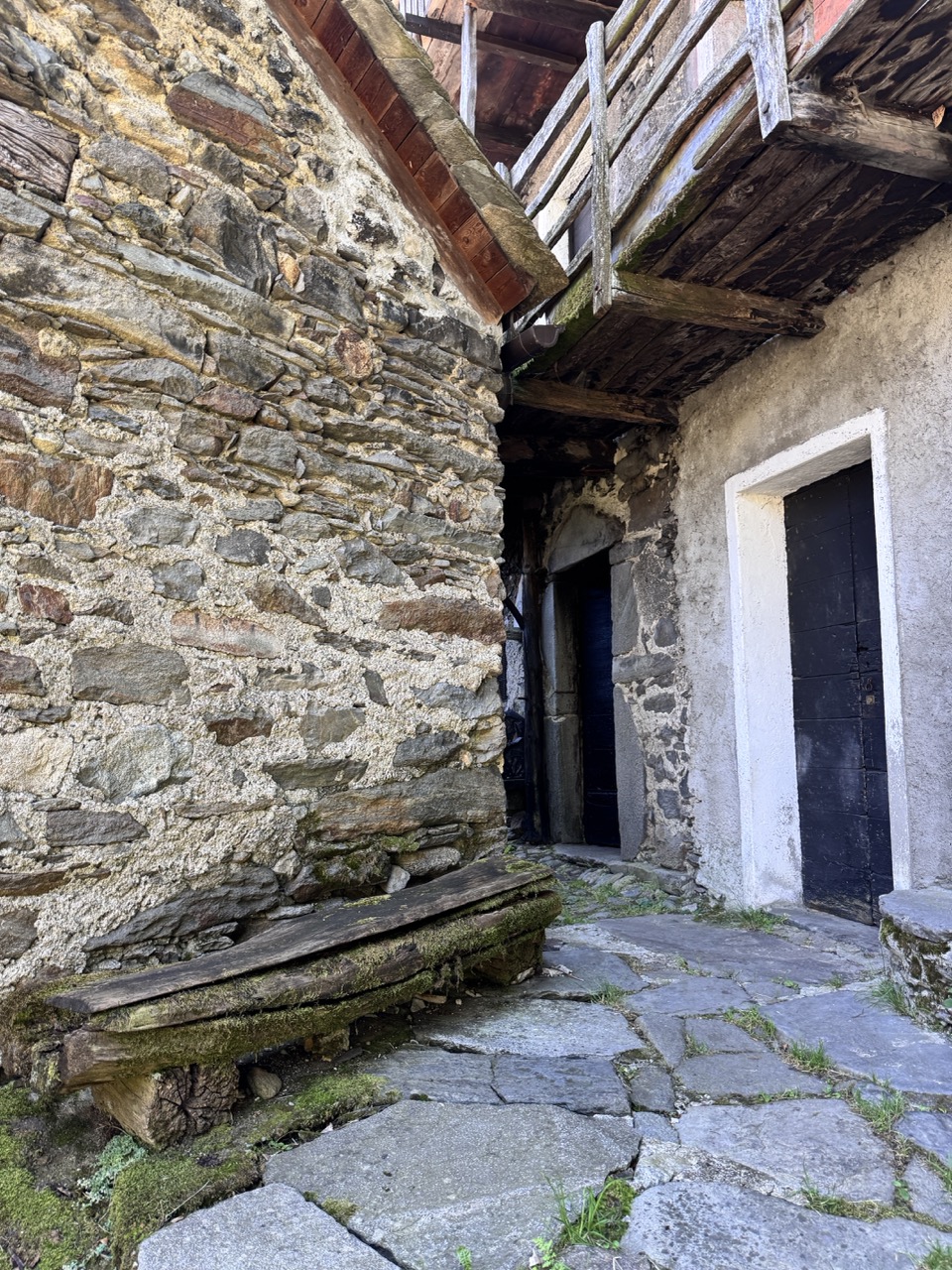
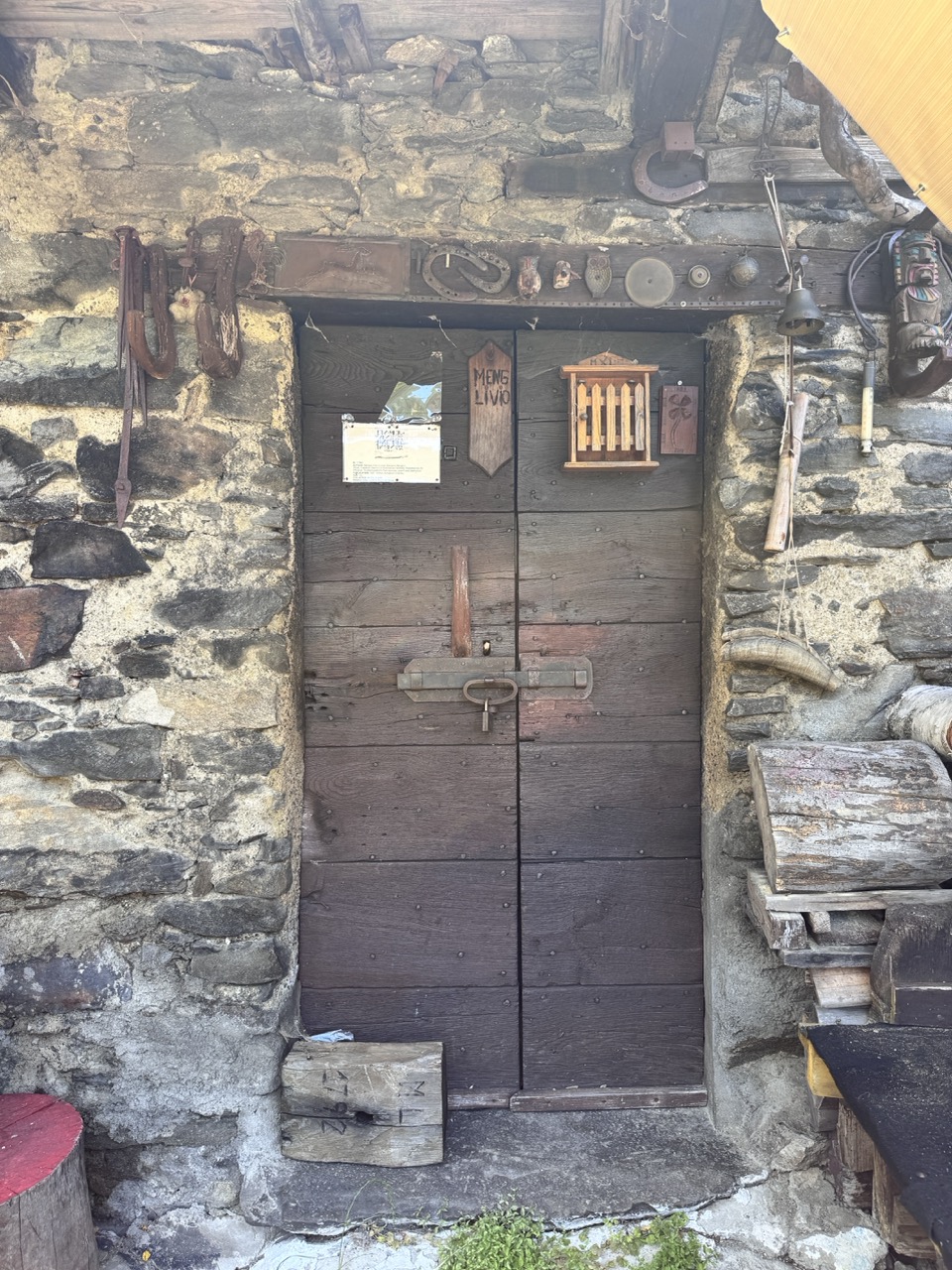
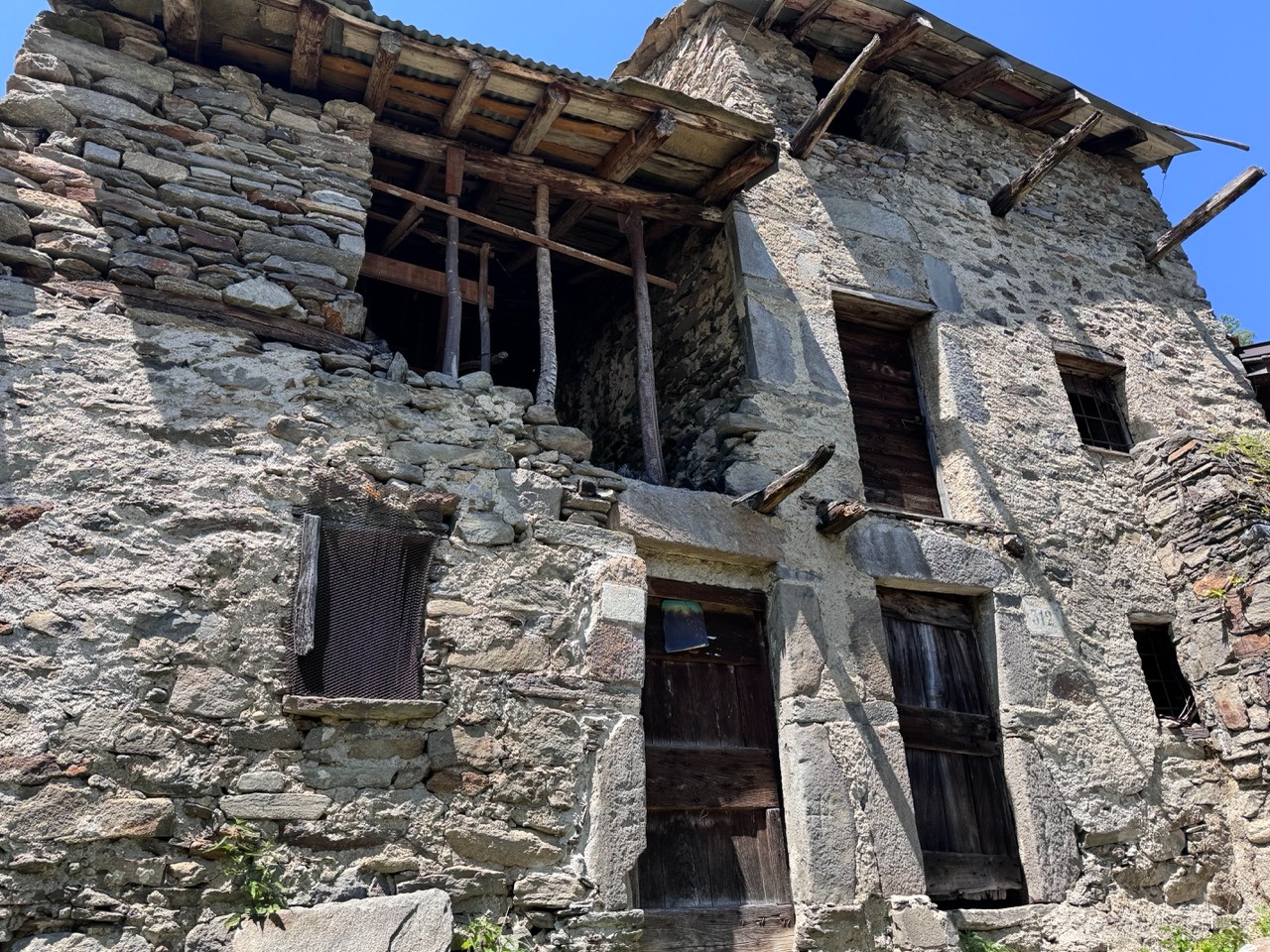
On the door of a house, a date carved in stone: 1466.
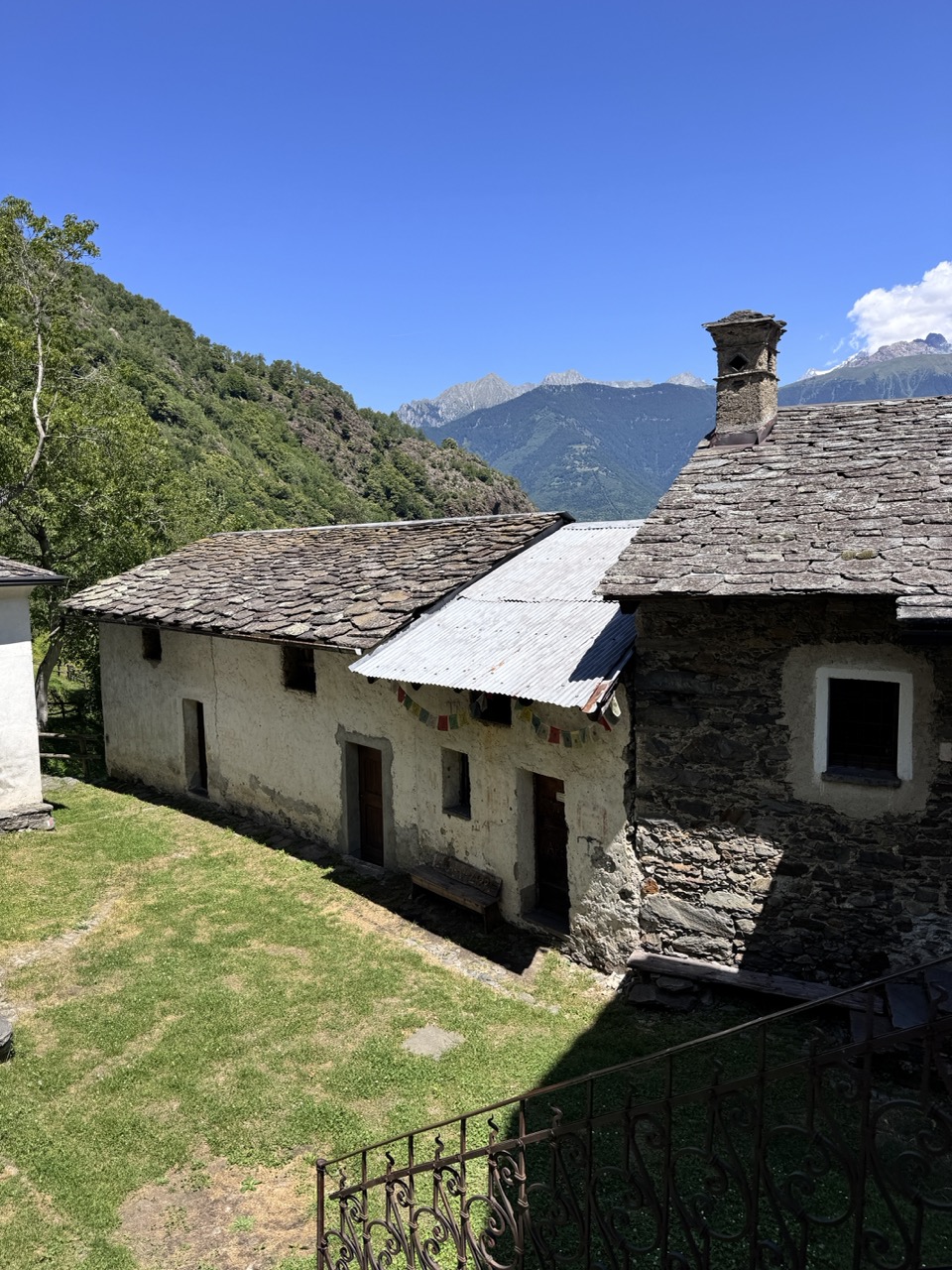
One of the many stone houses that tell, with their mere presence, over 500 years of history.

A legend of soldiers and blue eyes

There is a legend that hovers over Sostila. It tells that the village was founded in the 1400s by a group of German deserter soldiers, tired of the religious wars that were shaking Europe.
It is said that they chose these mountains as a refuge, to seek peace and freedom.

And perhaps there is a grain of truth to it. In Sostila, it was not uncommon to notice blue eyes, Nordic features, which seemed to slightly clash – or perhaps stand out – in the Valtellina context. Coincidences? Maybe. But the doubt remains.

About ten years ago, architect Dario Benetti, an expert in rural architecture, studied the village for a book he was writing.
He noticed stone portals decorated with carved Celtic crosses. He called them "Portali Gemini", due to their double-door structure.
According to him, these elements recall architectural models from Austria.
And indeed, the entire village – with its stone walls, solid houses, low roofs – really seems to belong to another time, perhaps even to another culture.

A village without chimneys

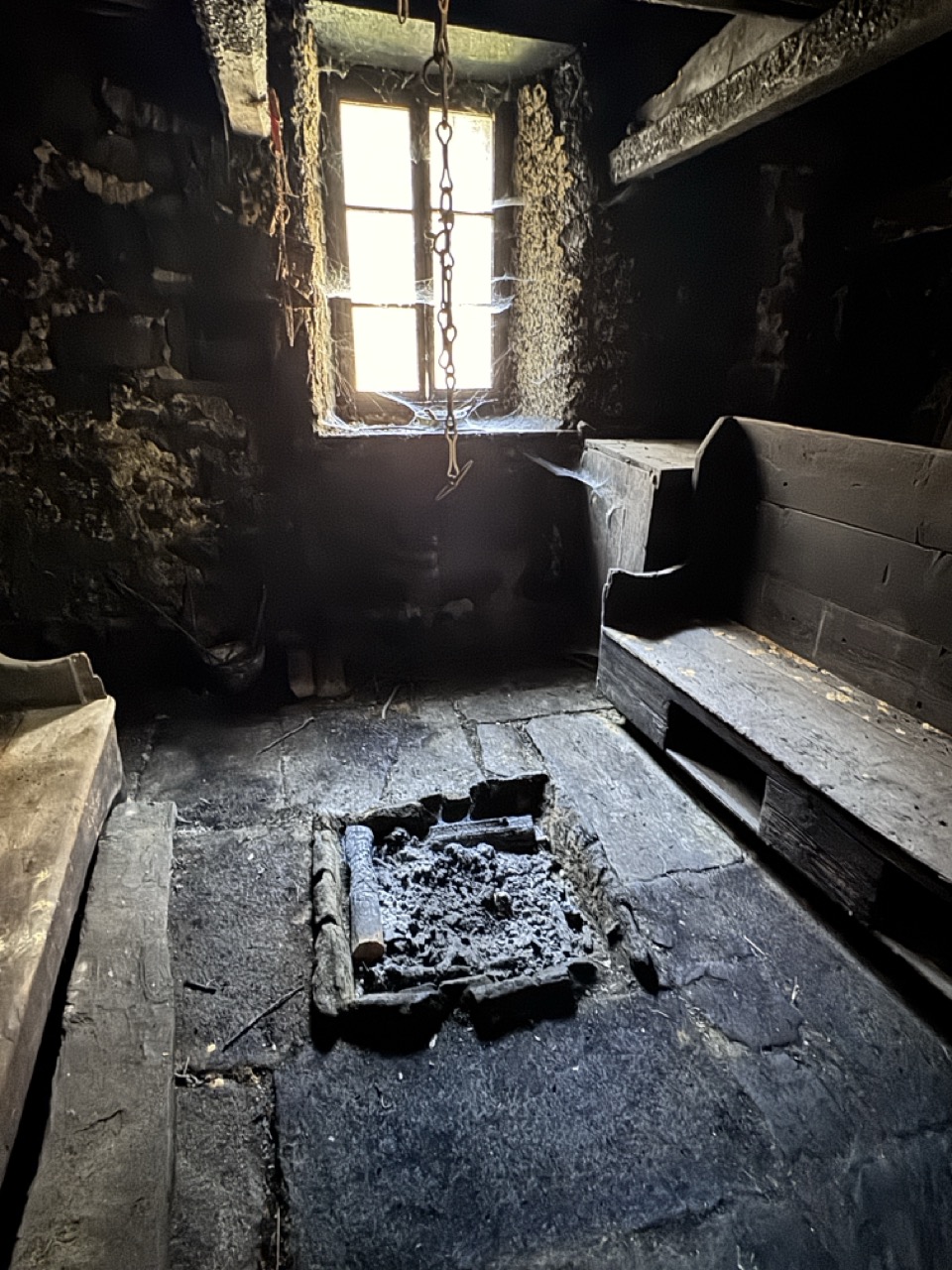
A curious thing I discovered: in Sostila there were no chimneys.
This was not an aesthetic choice, but a necessity.
Chimneys had to be made with stones, but they would have been too heavy for the roofs, which were made of wood.
So, with natural mountain ingenuity, the smoke was let out through the windows.
Simple, effective. Like everything up here.

The life that was, the life that remains

Once, Sostila had about 150 inhabitants.
Families, children, women helping each other.
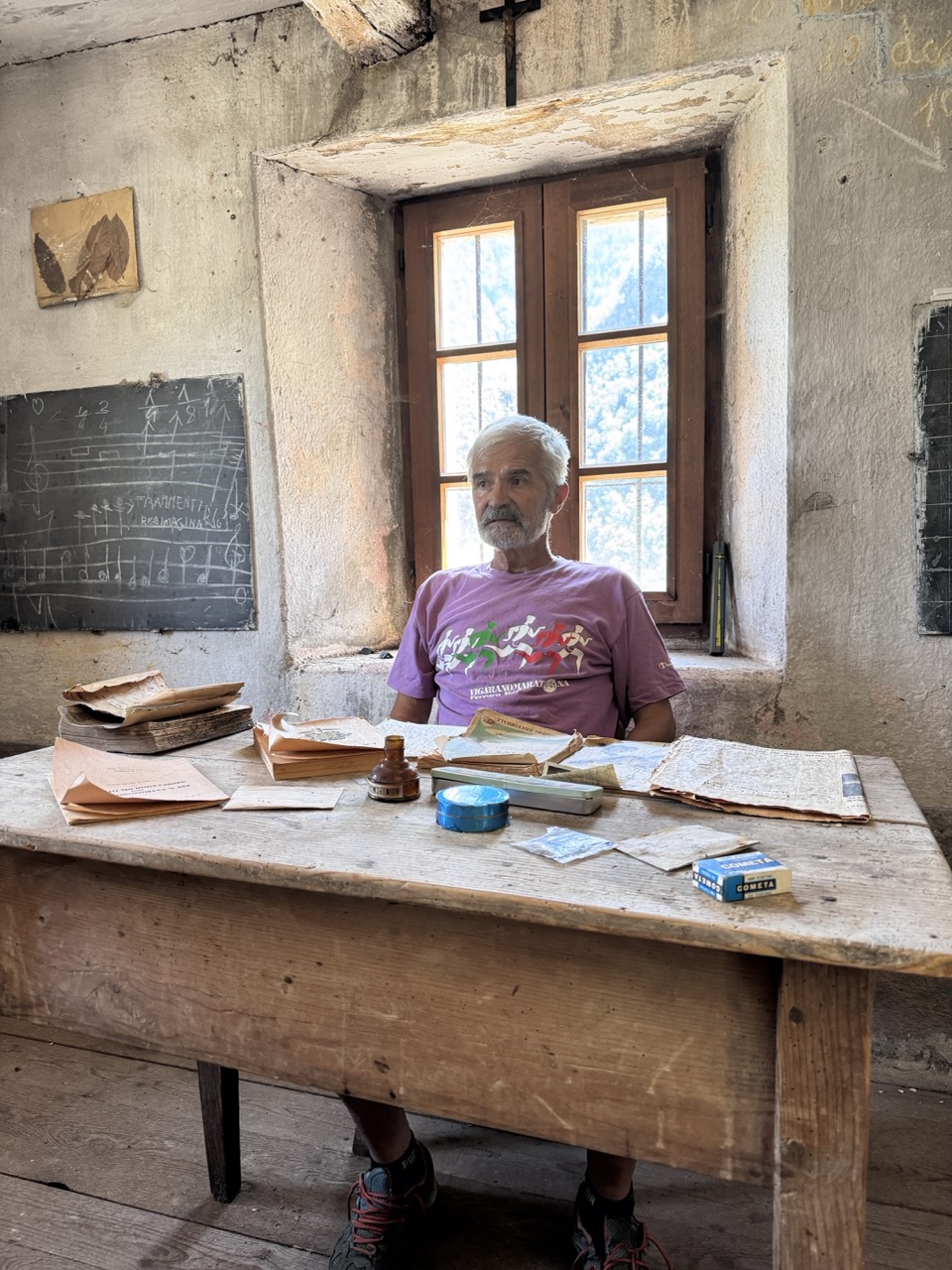
Today it is almost completely uninhabited. Only two people remain: Fausto Mottalini, who welcomed us and acted as our guide, and Alessio, who lives a bit further away.

Fausto started coming back often to Sostila in the ‘90s, when a wall near his mother’s house collapsed.
He worked part-time and on his days off, he went up to fix, clean, restore order.
Then something happened: he fell in love with the place.
In 2011, he bought the house he liked the most, with a wider view compared to that of his mother.
And since then, after reaching retirement, he has lived there, among nature and his blissful solitude.

He goes down once a week to do grocery shopping, but after a few hours, he can't wait to return to his hermitage at 900 meters above sea level.

Walking today through the streets of Sostila is an almost surreal experience.
Empty houses, ajar doors, deep silences.
I must say it had a certain effect on us...

Walking among those stones, scenes came to mind that I have never seen, but felt were real:
women at the washhouse, children playing in the courtyards, the smell of bread in the ovens, a voice calling from the window.
Life that is no longer there, and yet is still there.
The school, the church, and the meadow that was a cemetery

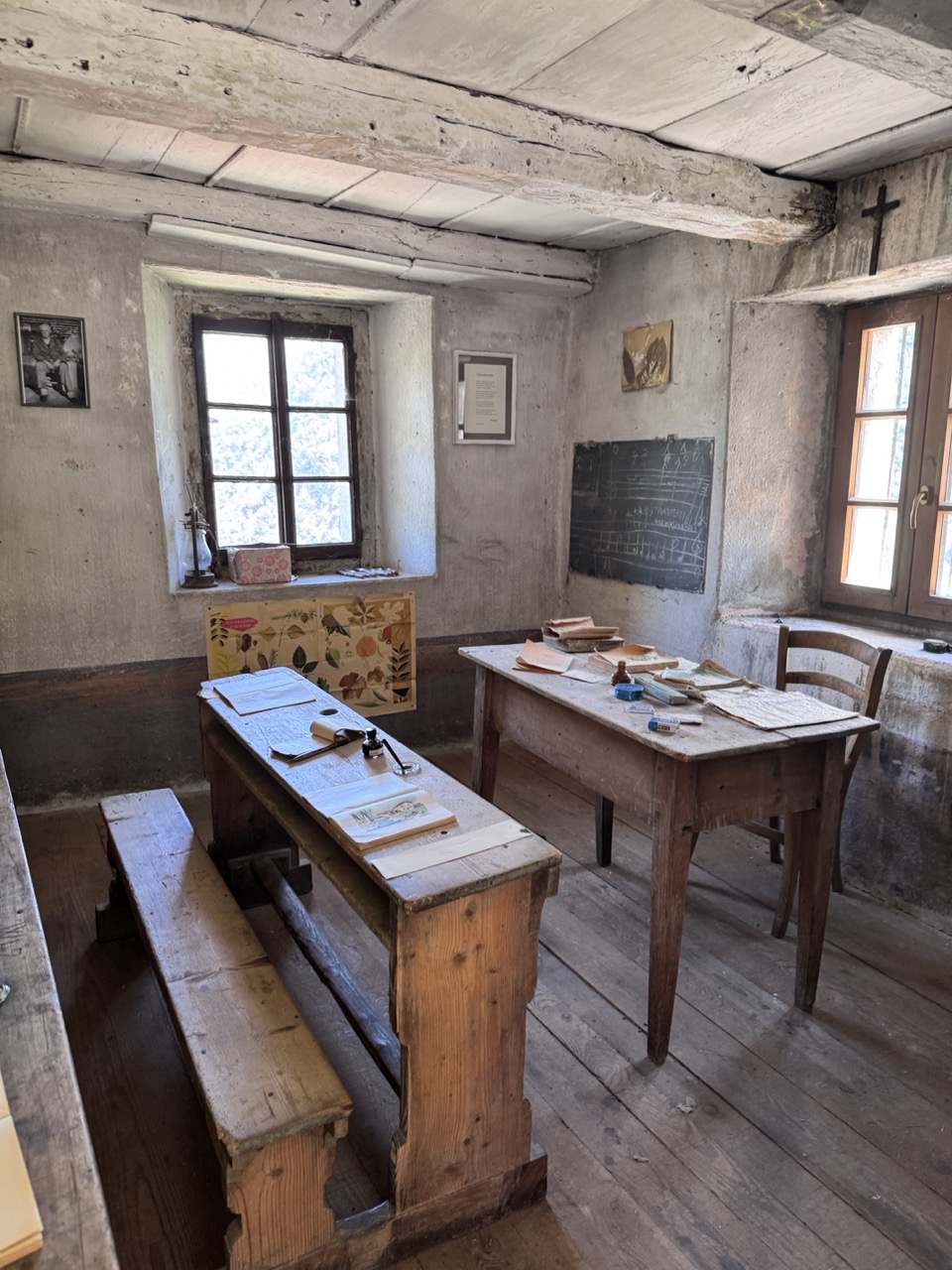
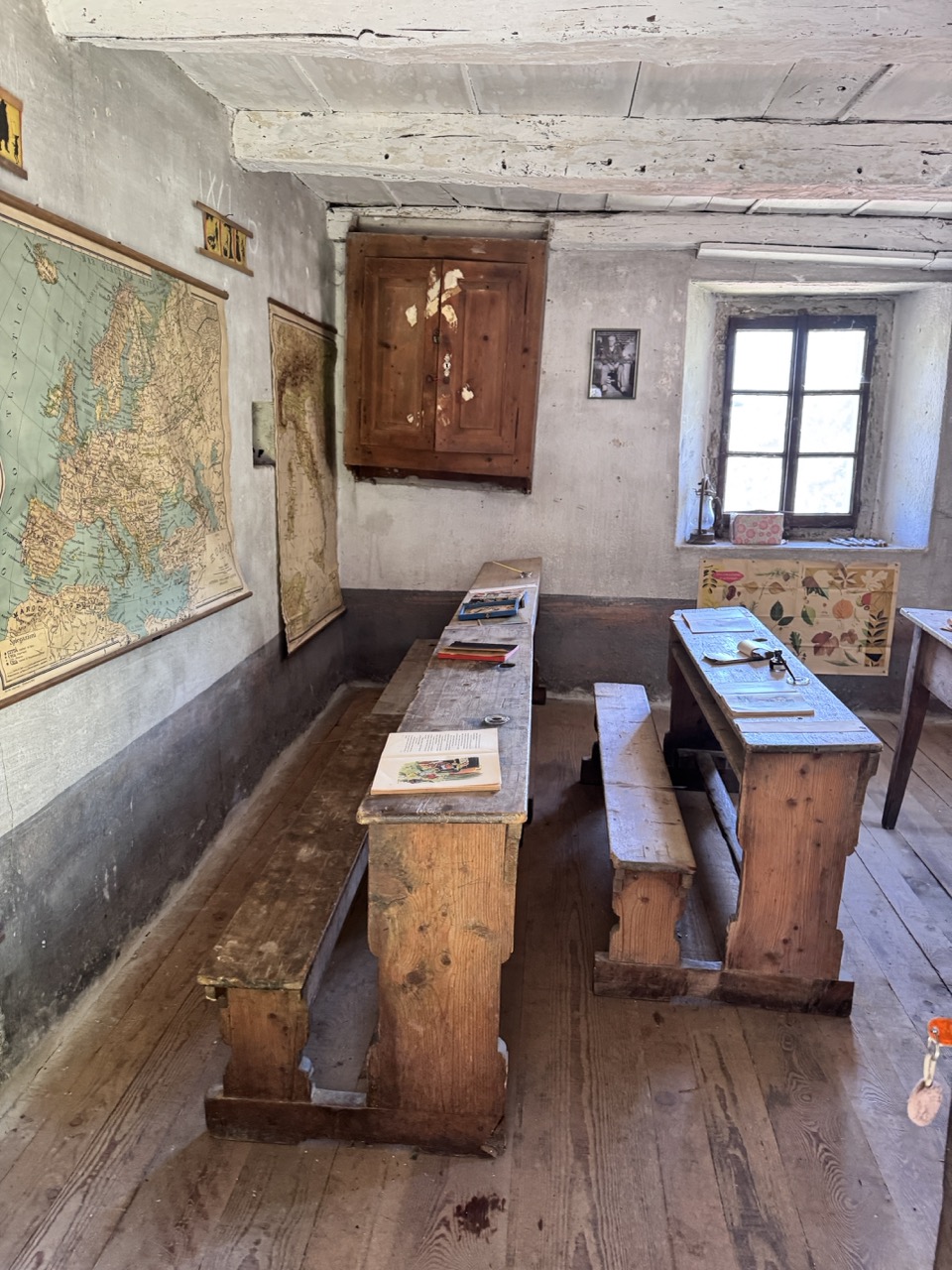
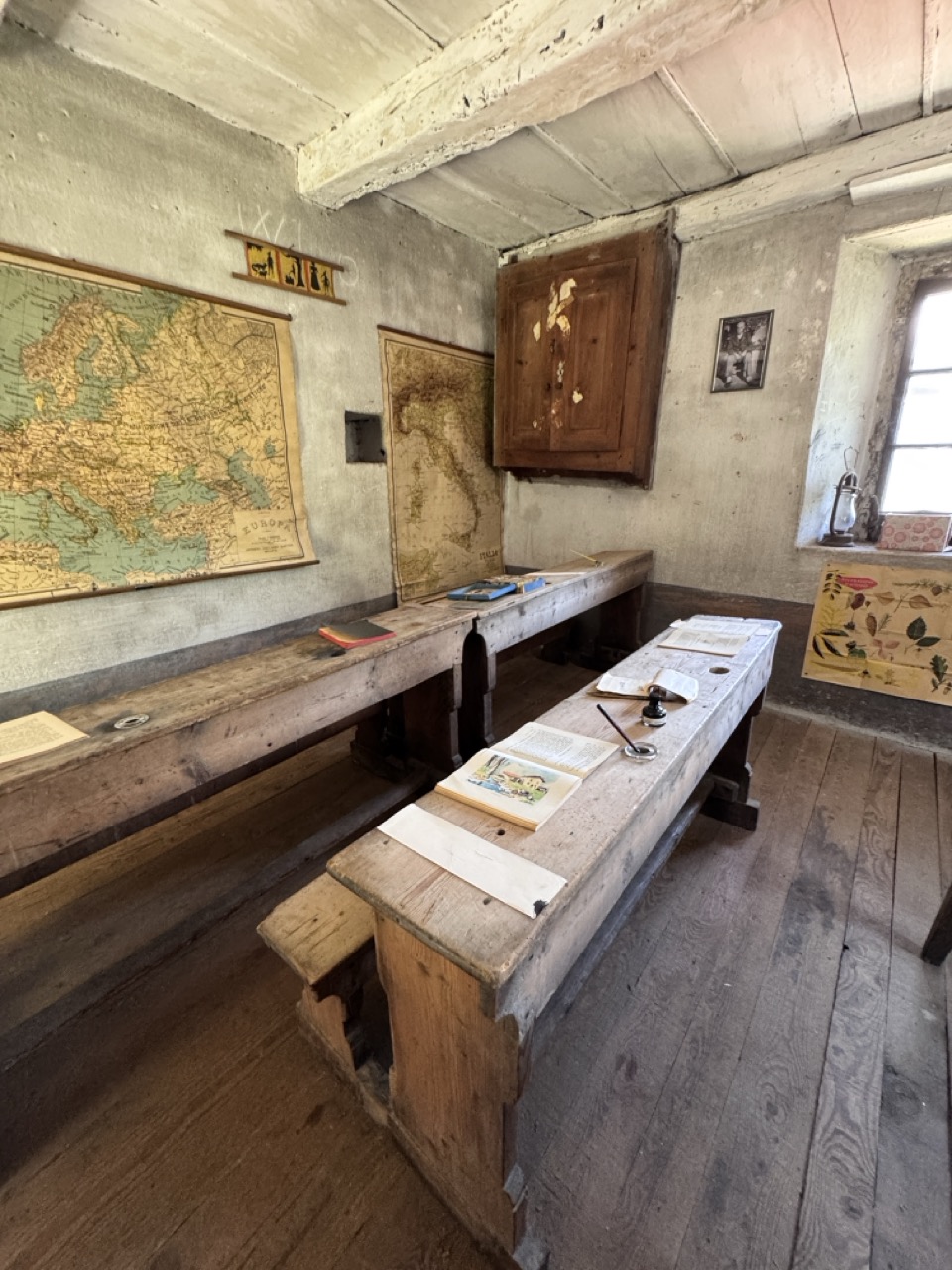
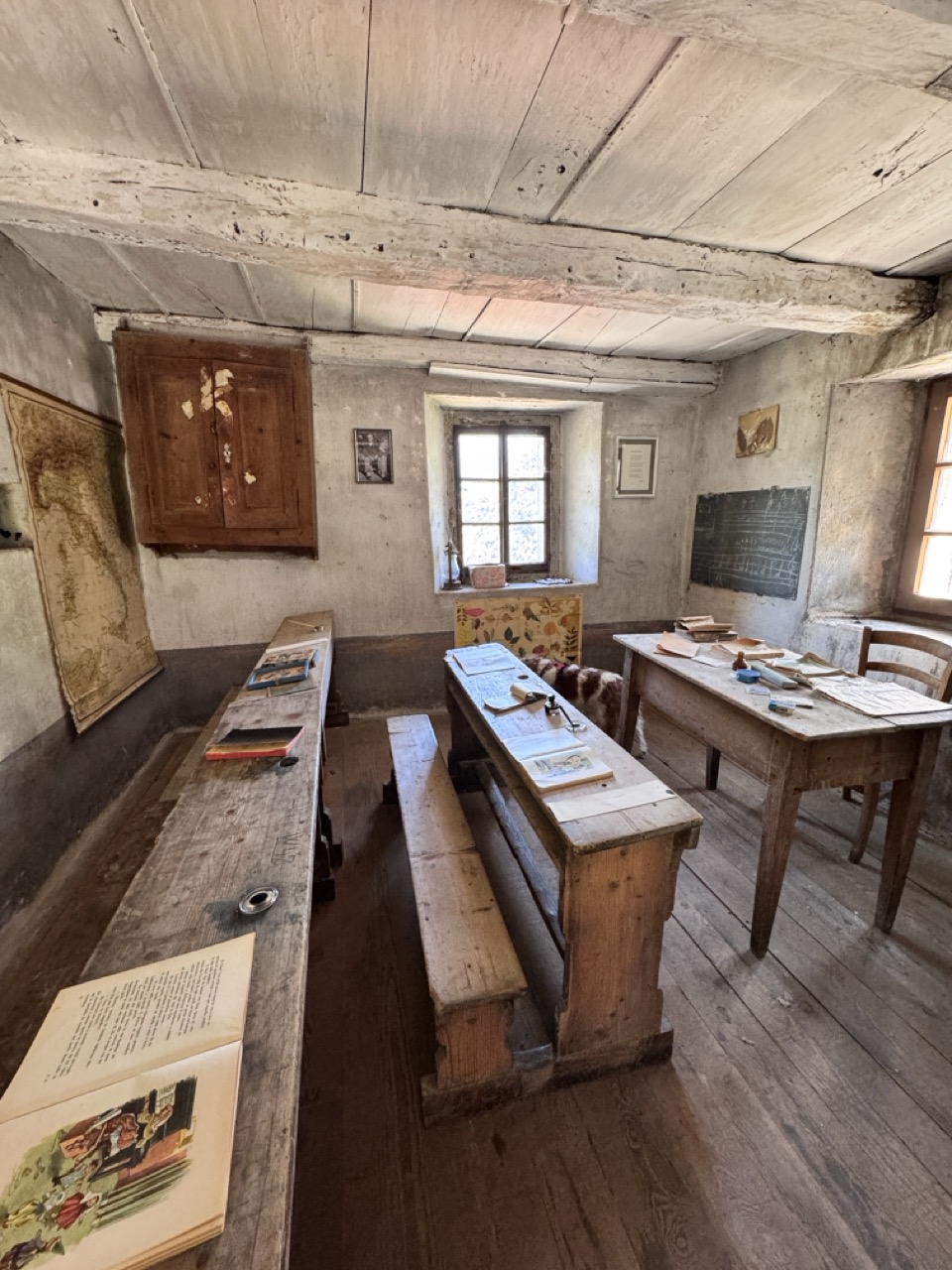
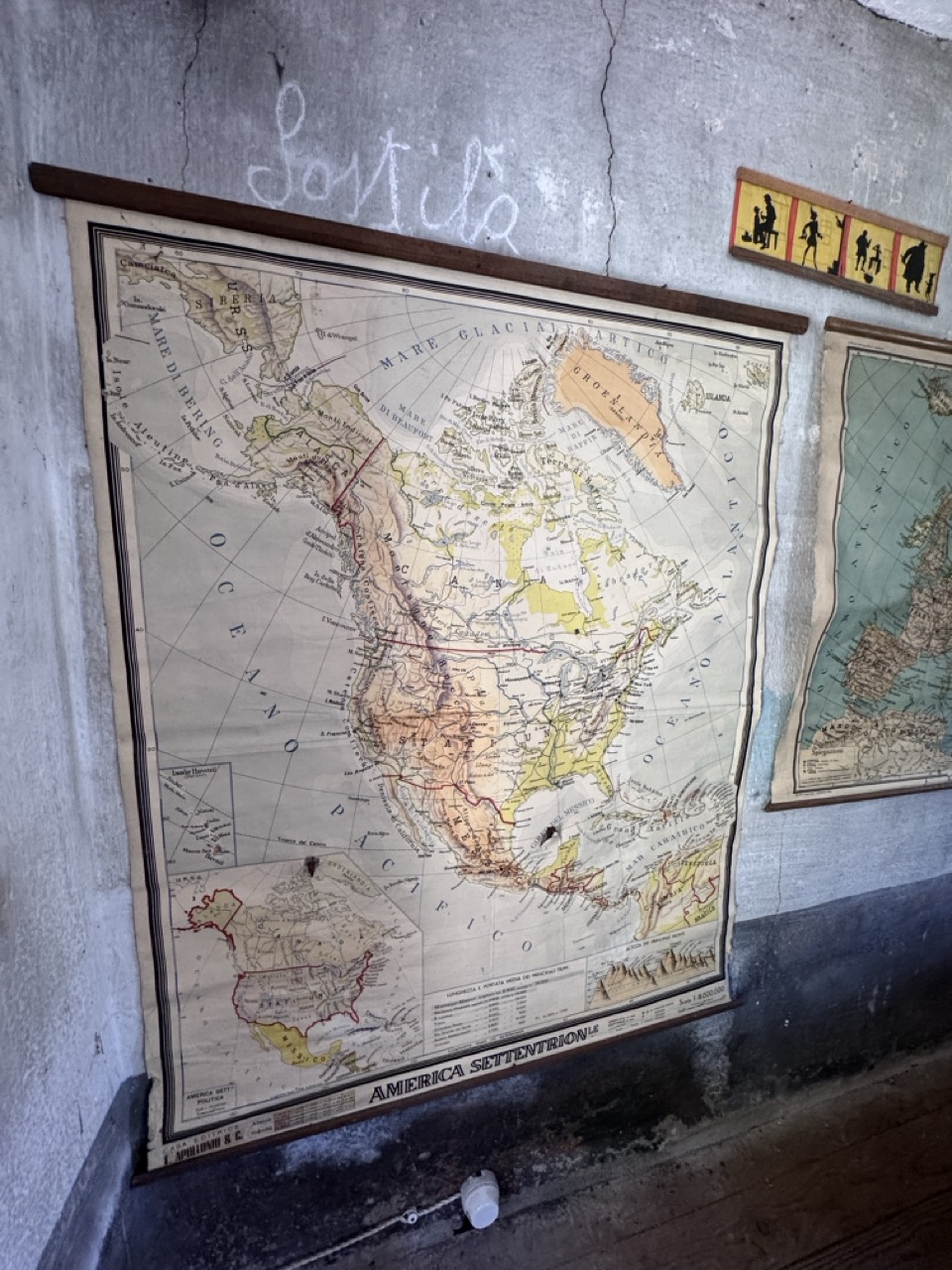
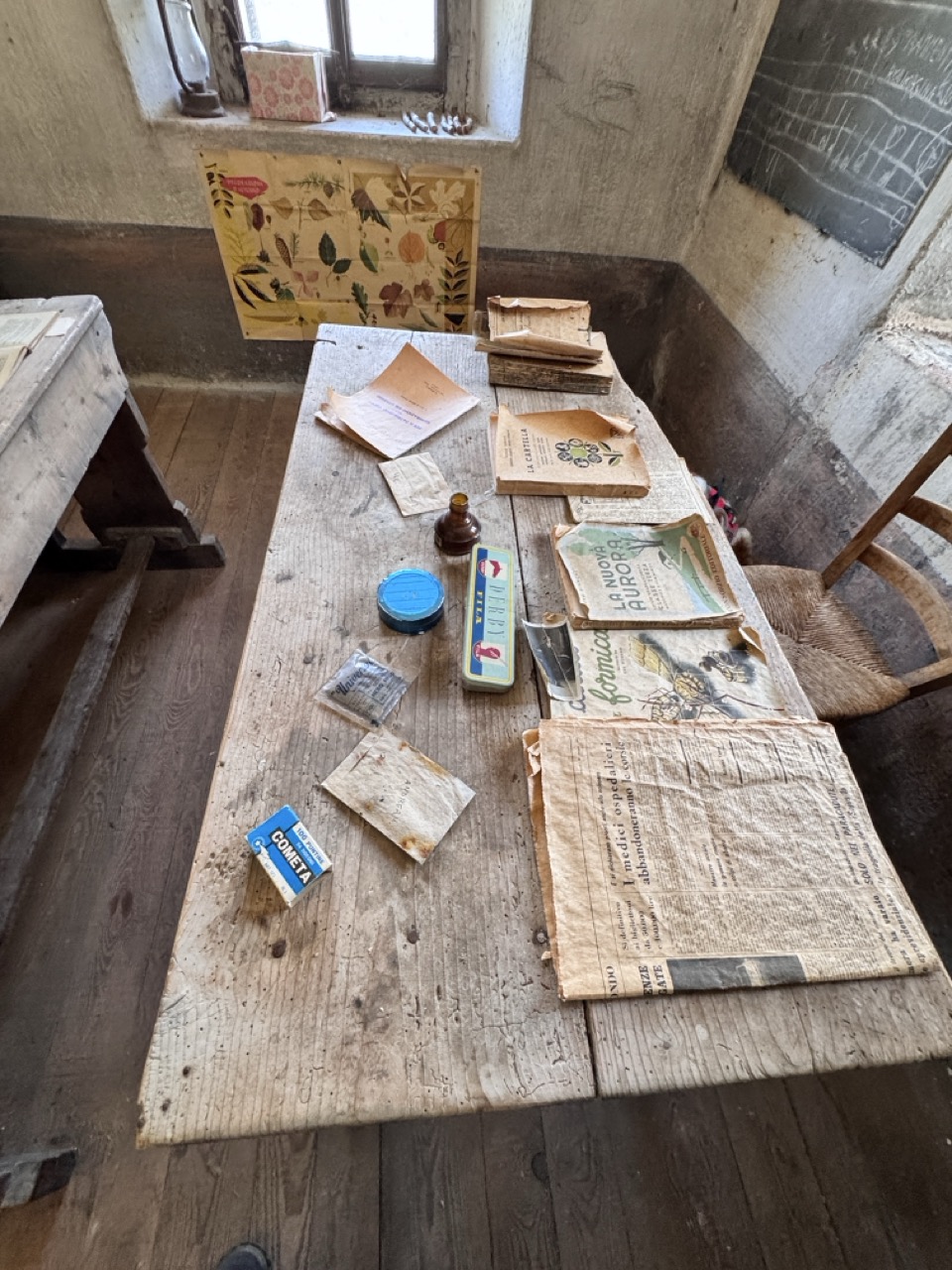
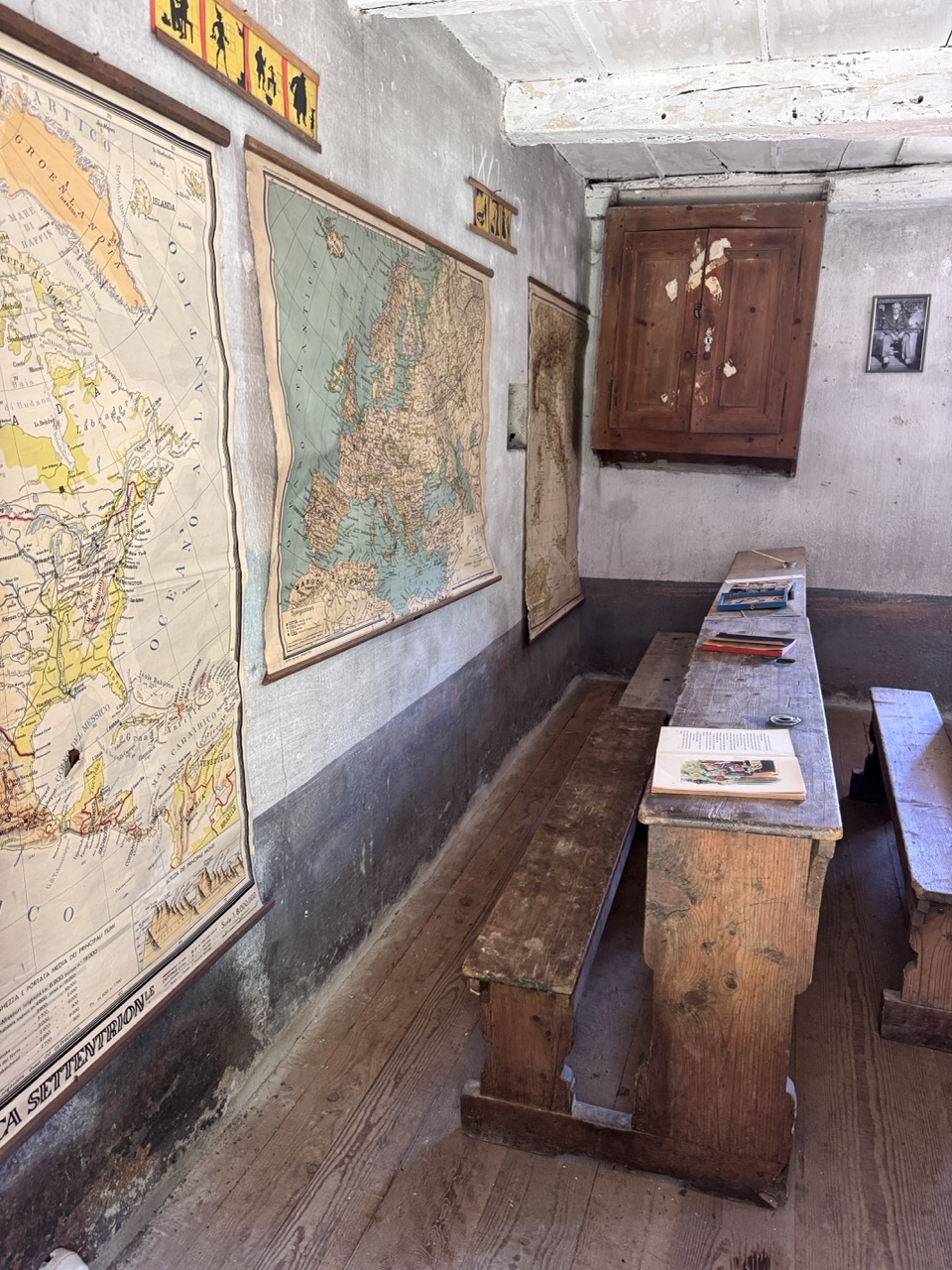
The old school is still there, like a small treasure chest of time.

We entered as if we were in a 60s movie...
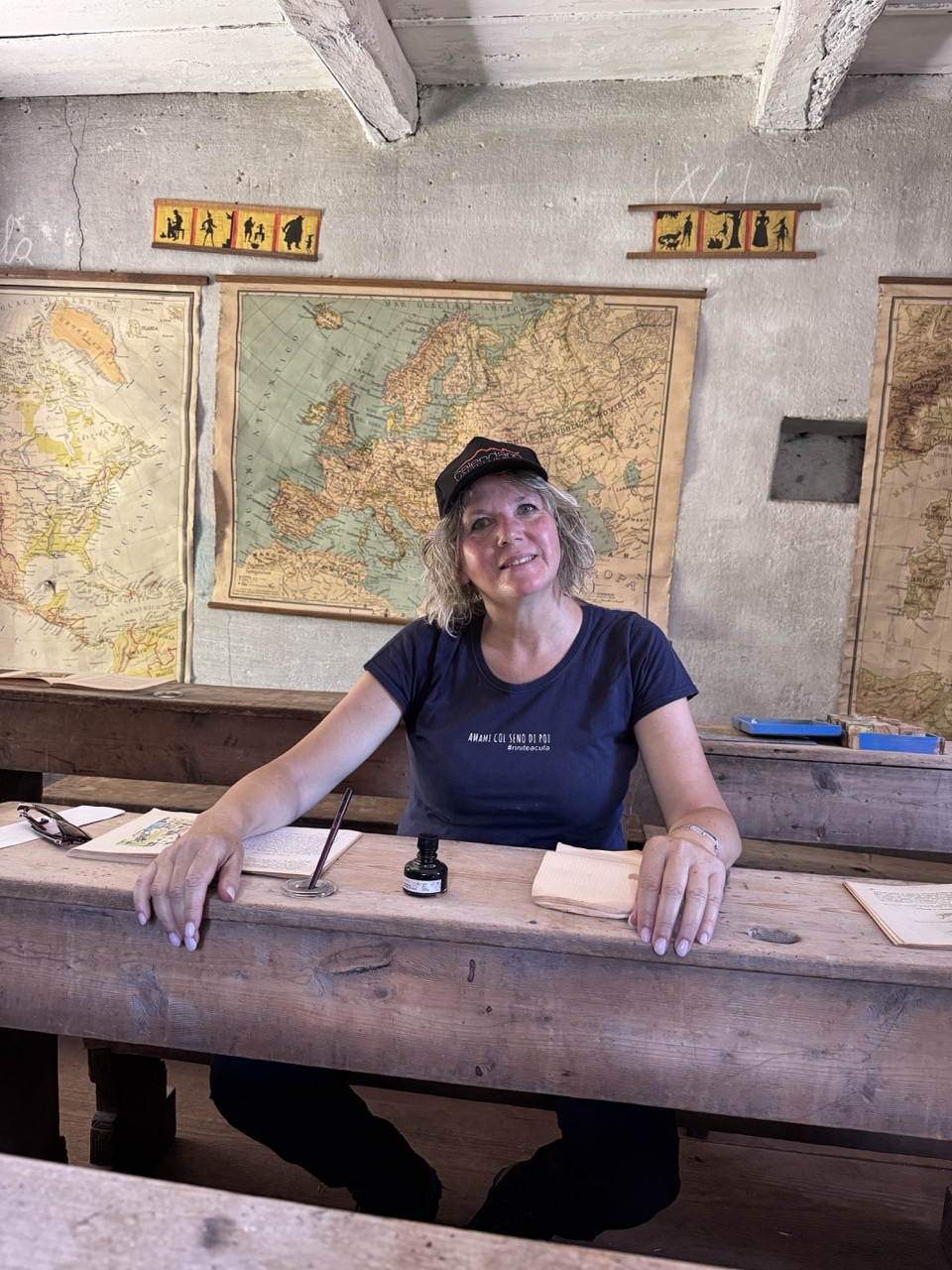
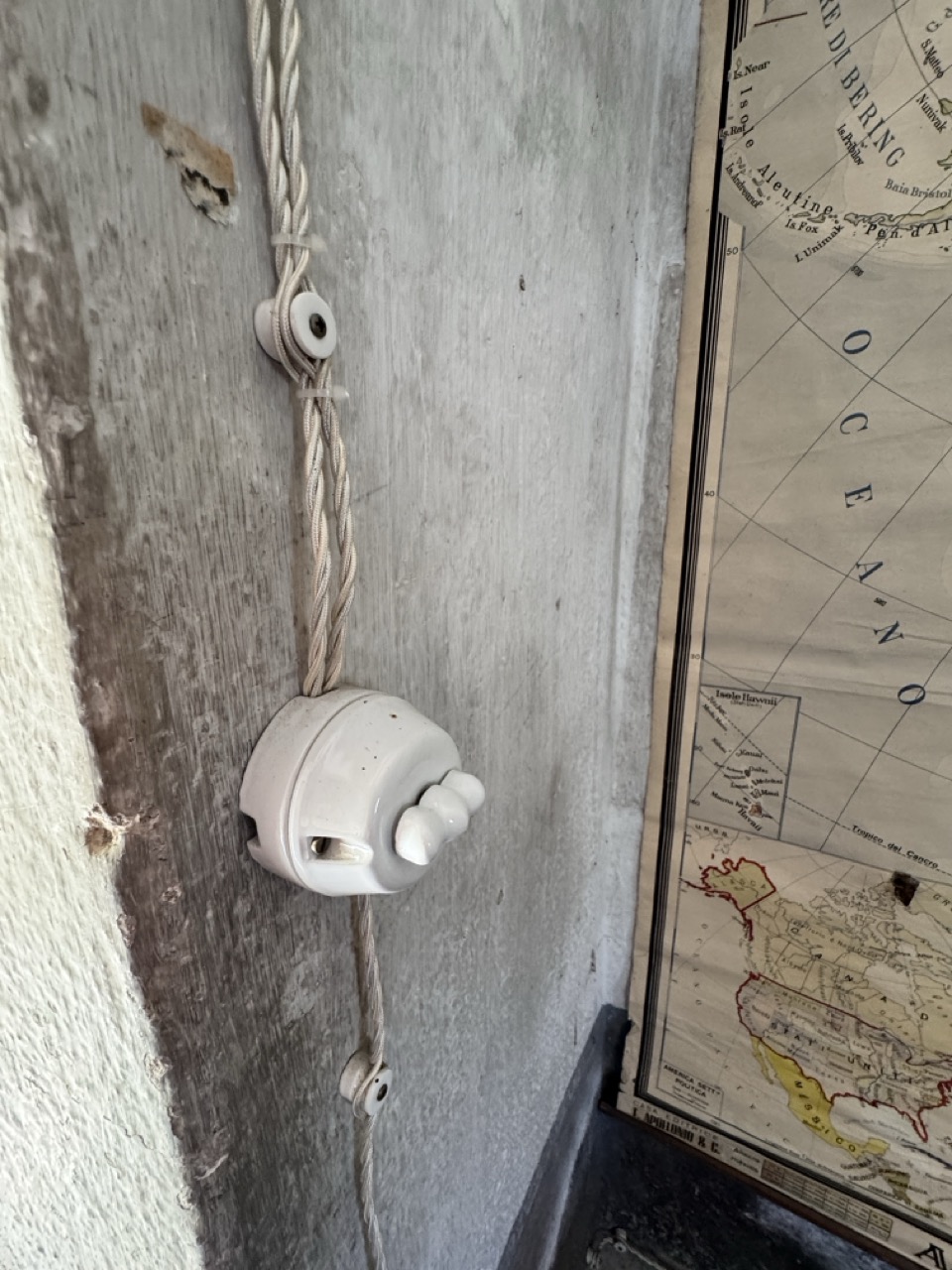
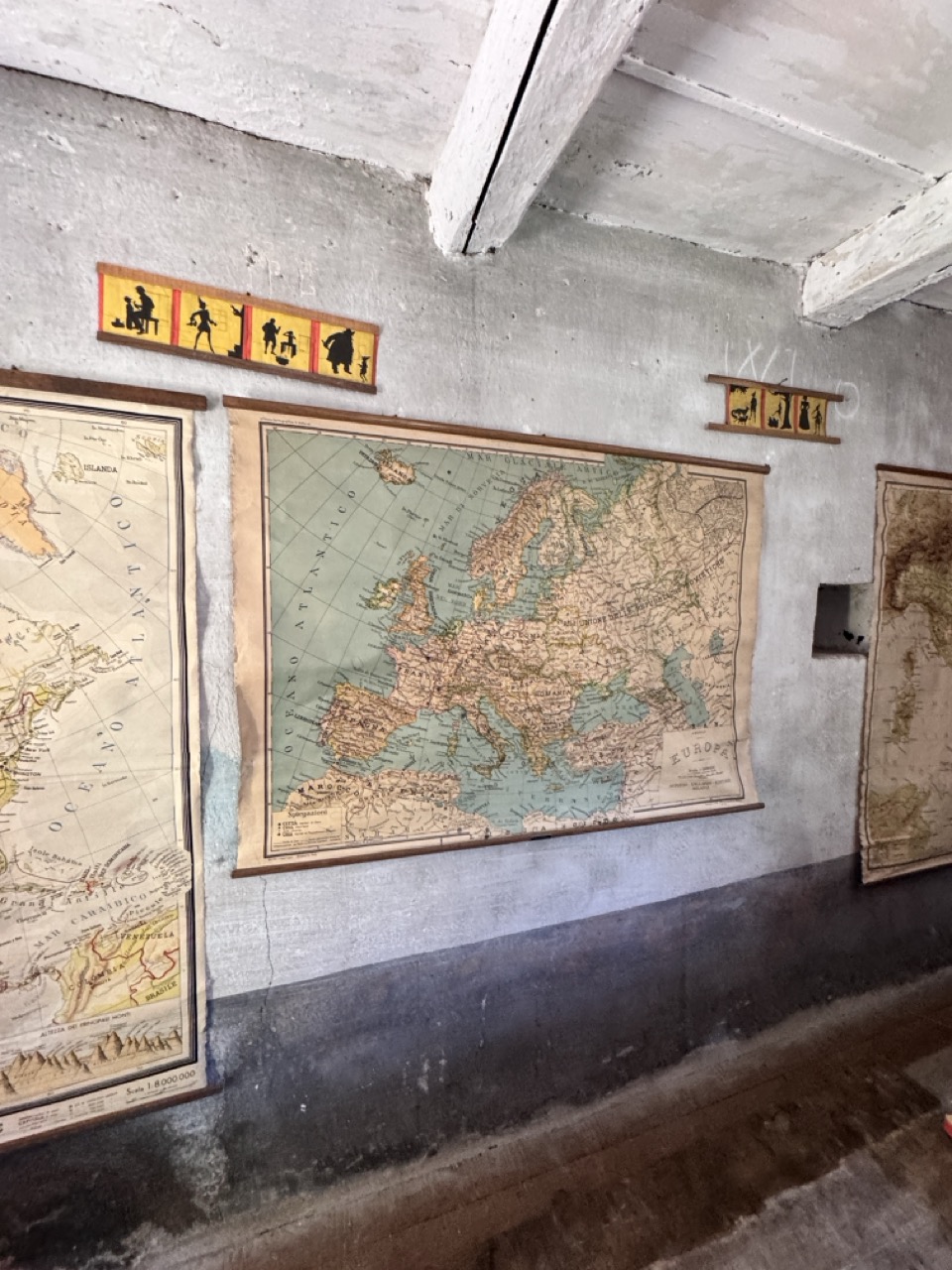
Inside, wooden desks, inkwells, maps, worn-out primers.

We sat on the wooden benches, took the nib in hand, and imagined ourselves as the students who spent their days with ink and inkwell...

Keeping warm by the wood stove during the harsh winters.
The last class was held in 1960.
Then, slowly, the village emptied.
Children came even from the nearby valleys, on foot, half an hour of walking every day, in any weather...

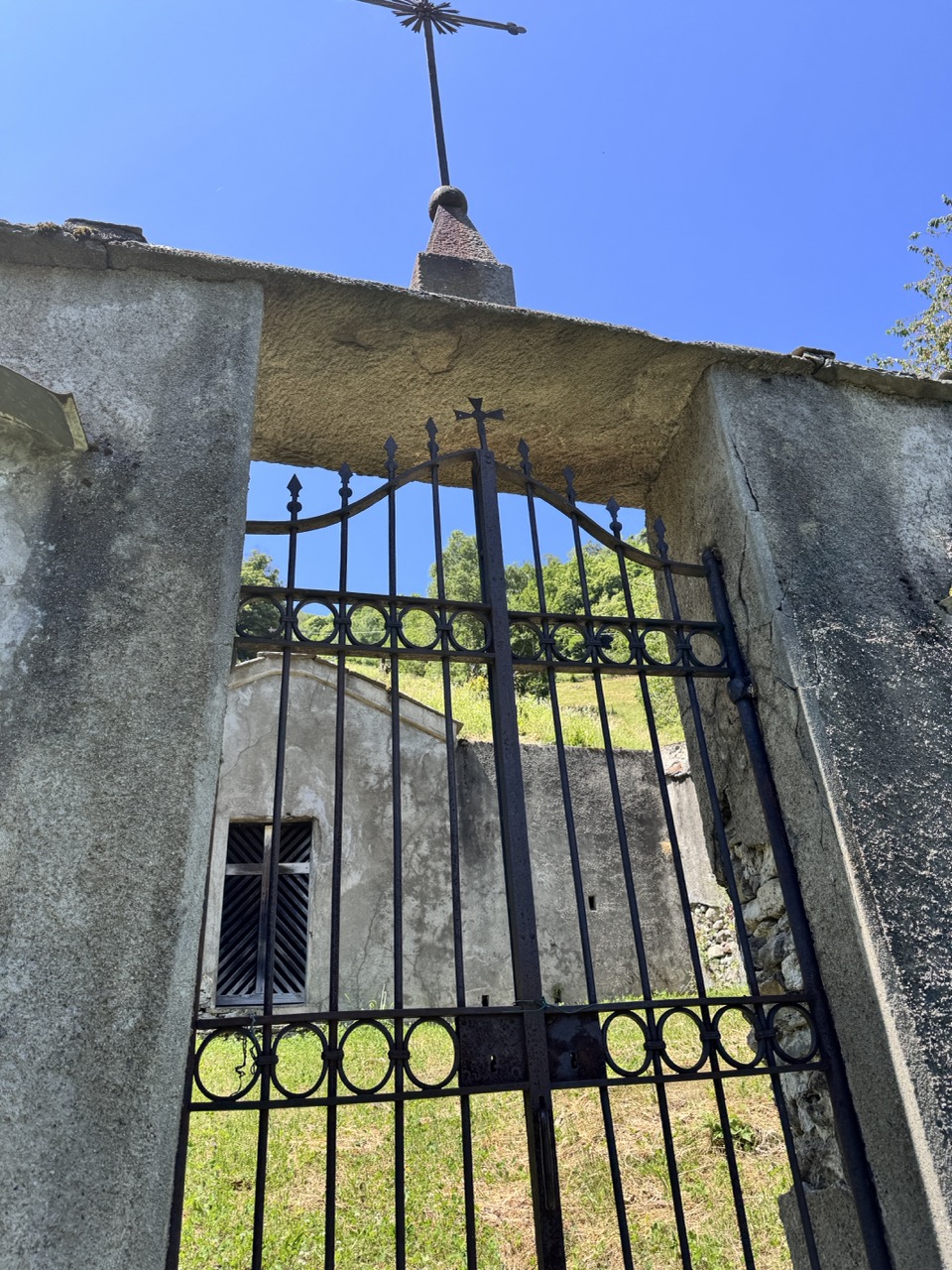
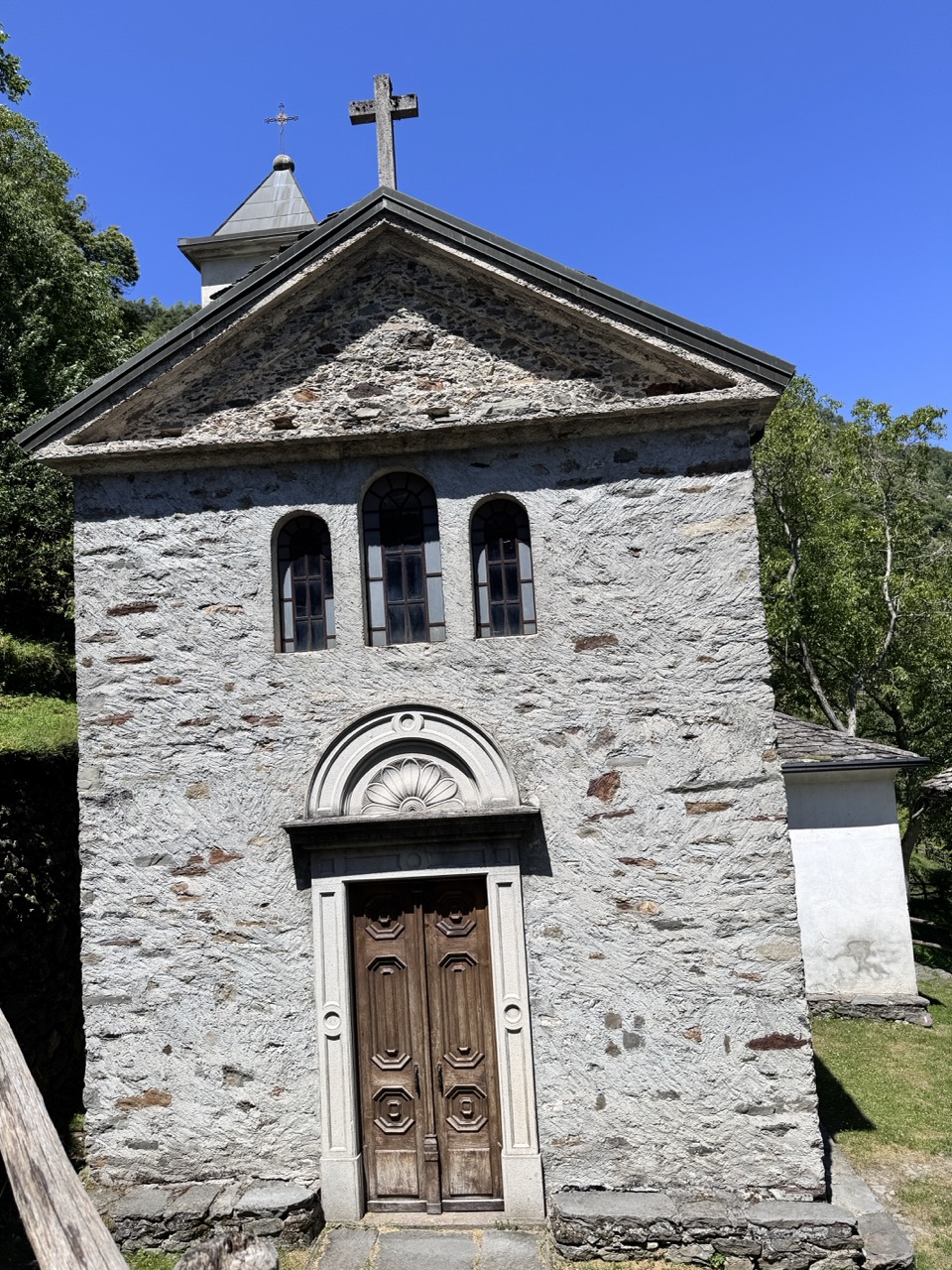
There is also a small church, today without parishioners.
Once a year, on the first Sunday of August, a mass dedicated to Our Lady of the Snow is still celebrated.

Next to it, the old cemetery, which has now become a meadow.
The crosses are no longer there, but the place emanates respect. There is silence, but it is not empty.

The house of the book: a library and a small museum of memory

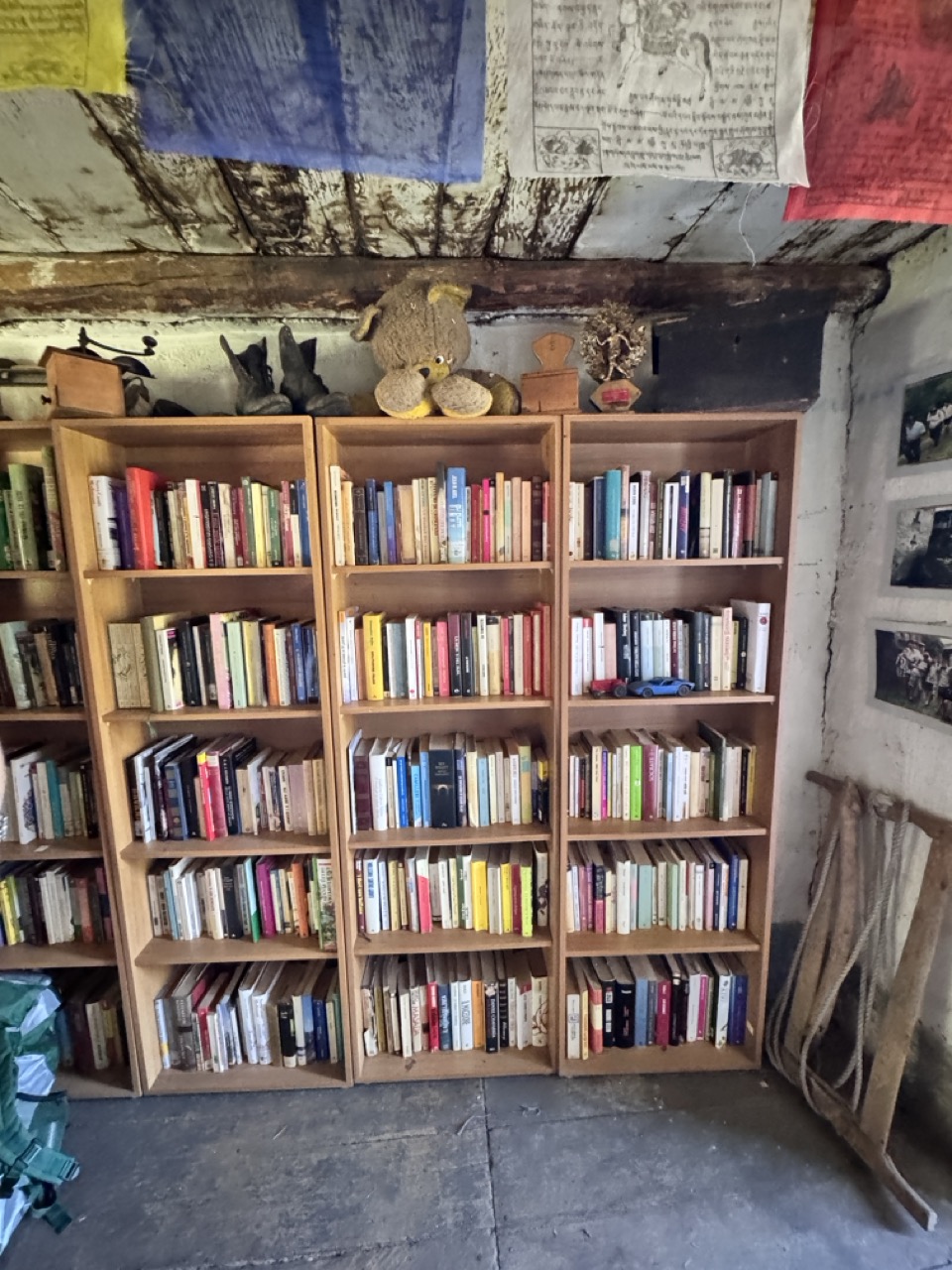
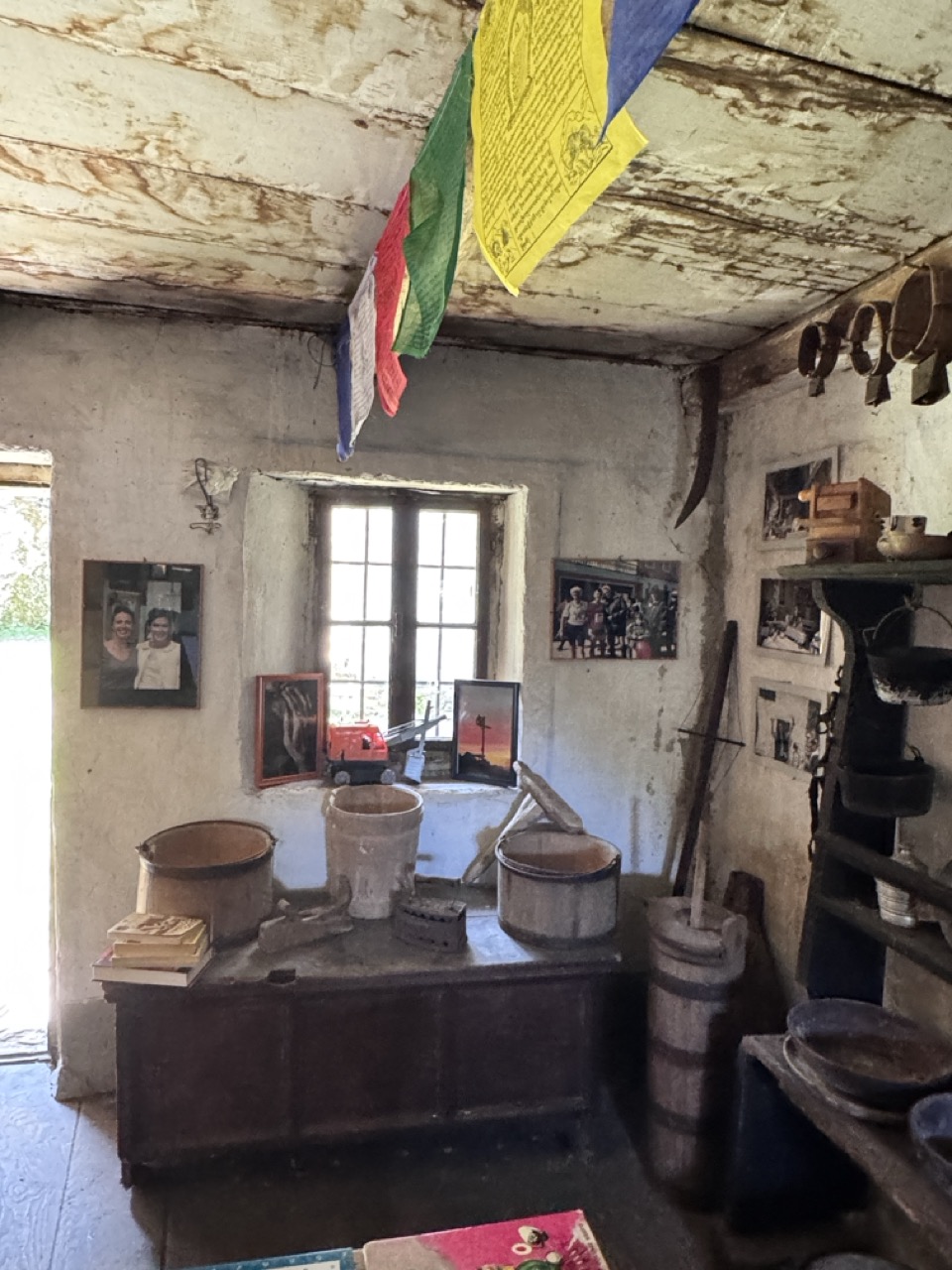
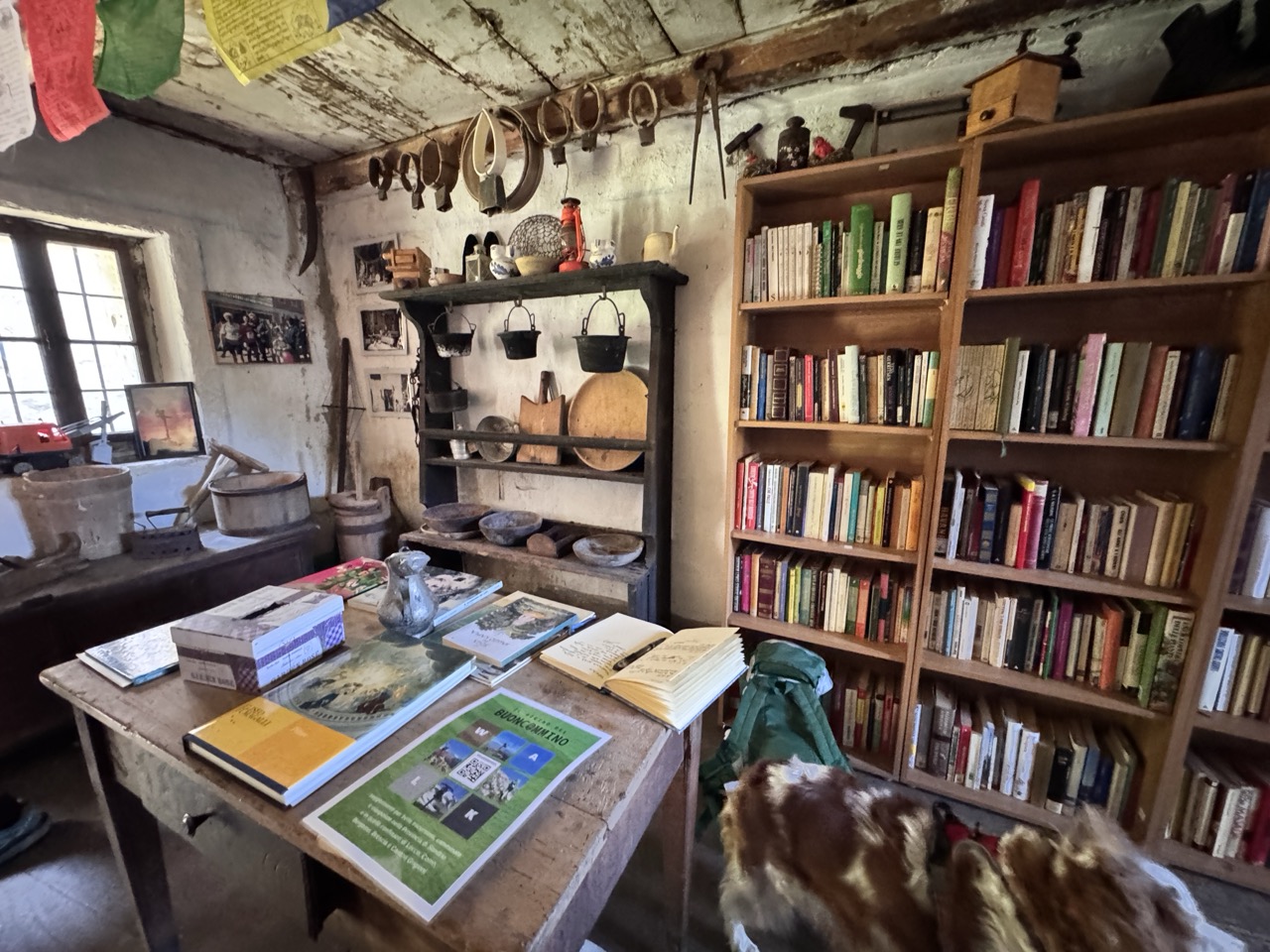
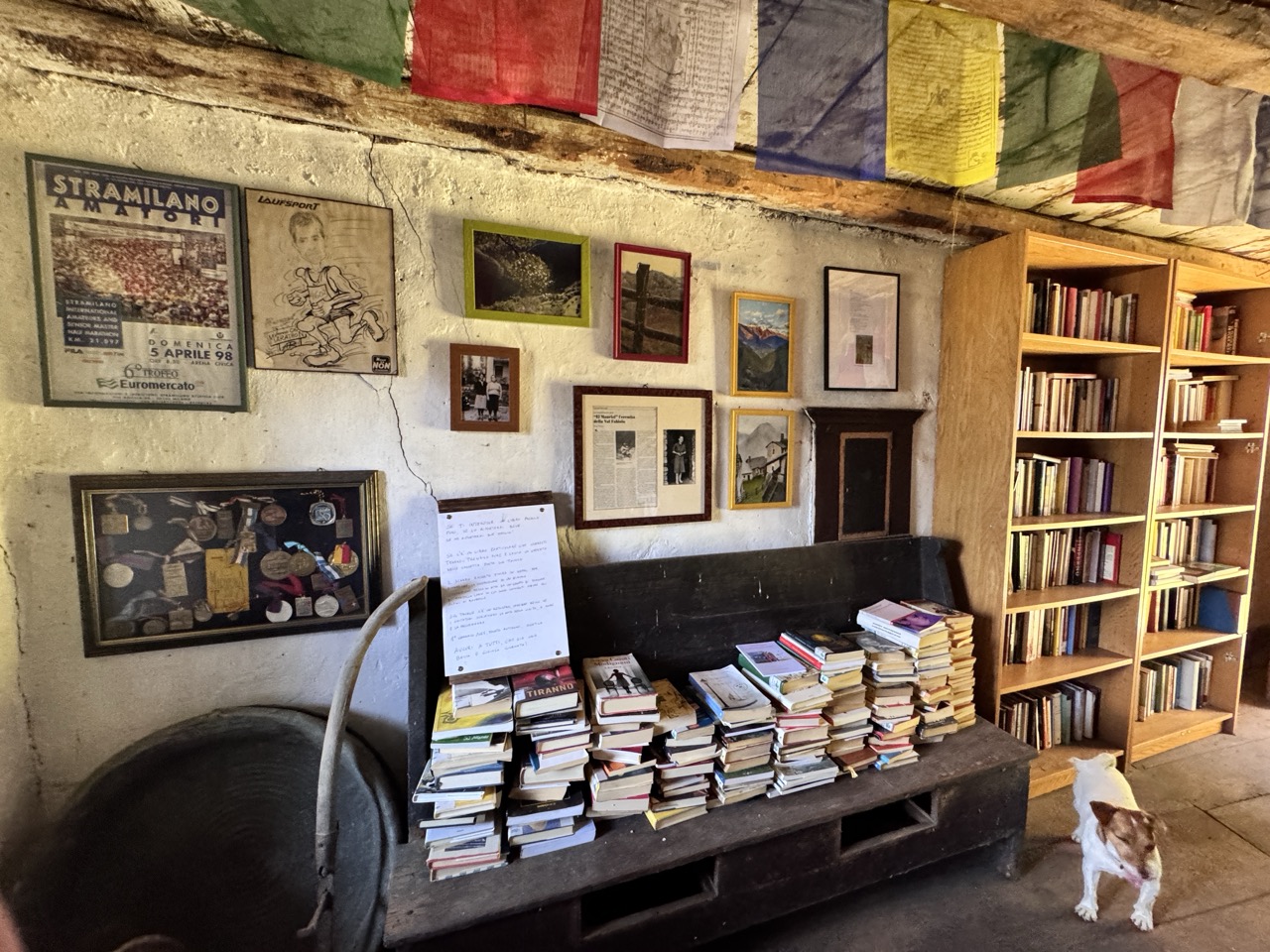
Among the many wonders that Fausto has created, there is a place that has particularly touched me: “The house of the book”.
A small library where he has collected all the books he has read. Some even more than once.

But it is not just a collection of volumes.
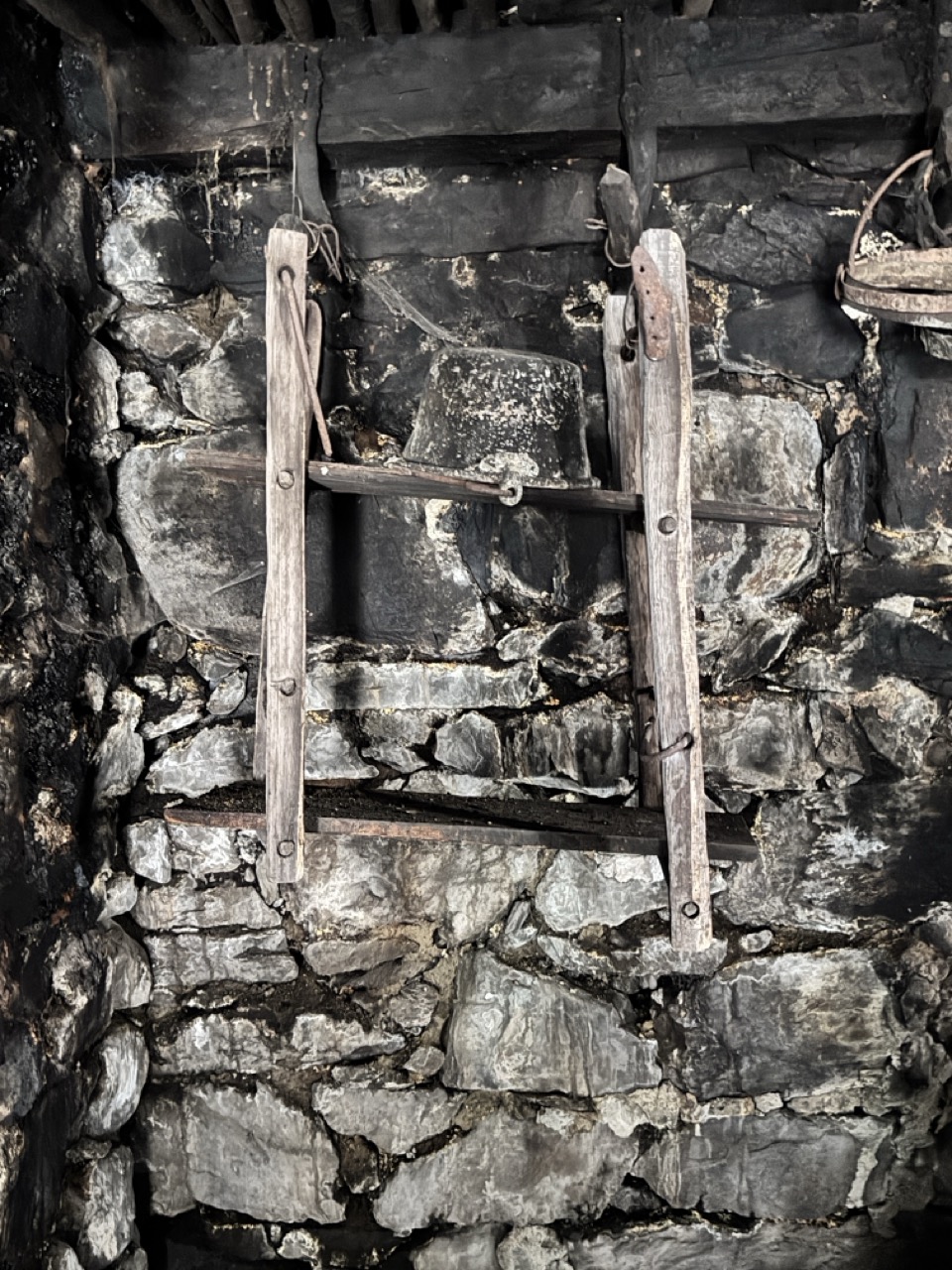
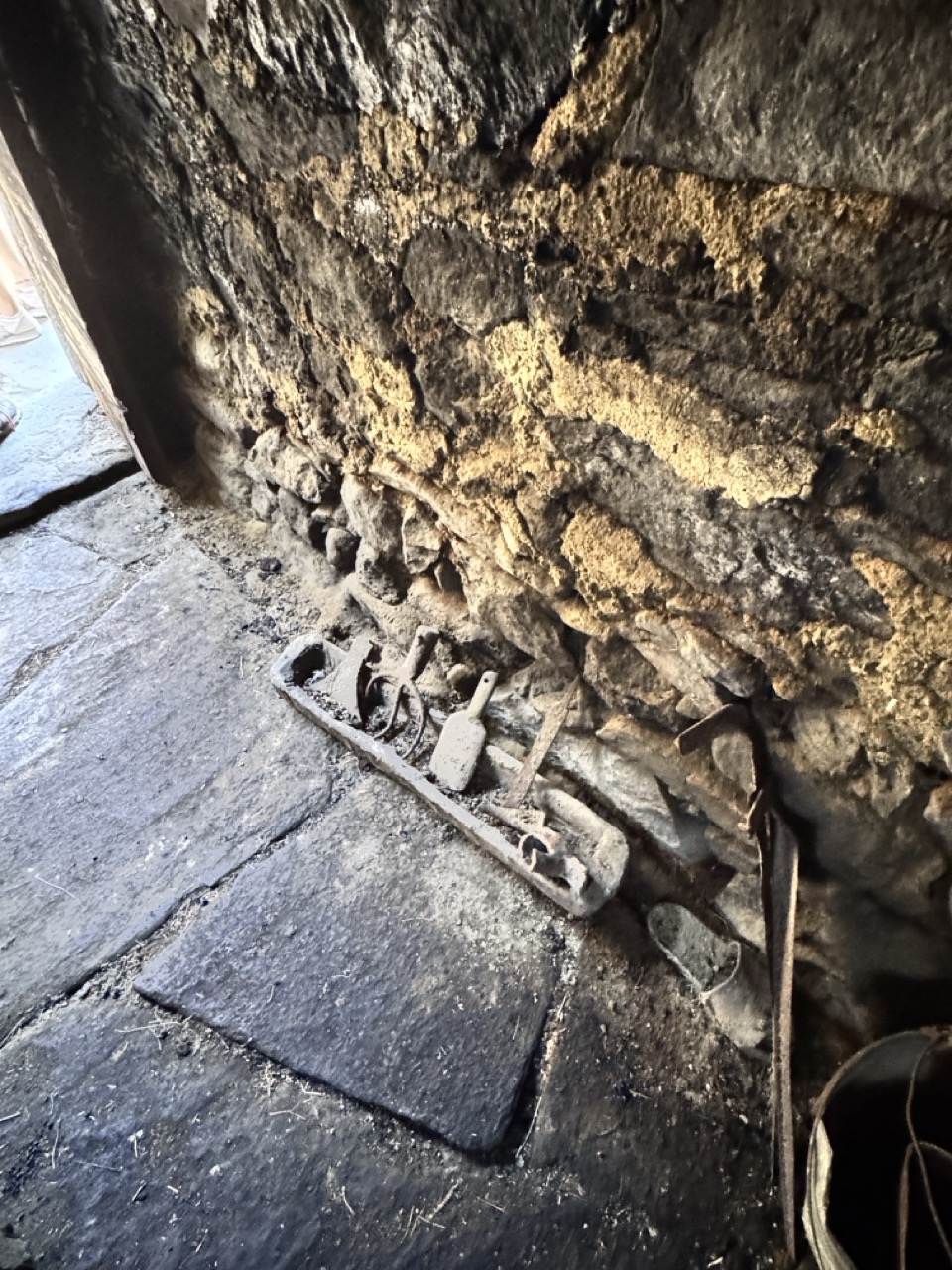
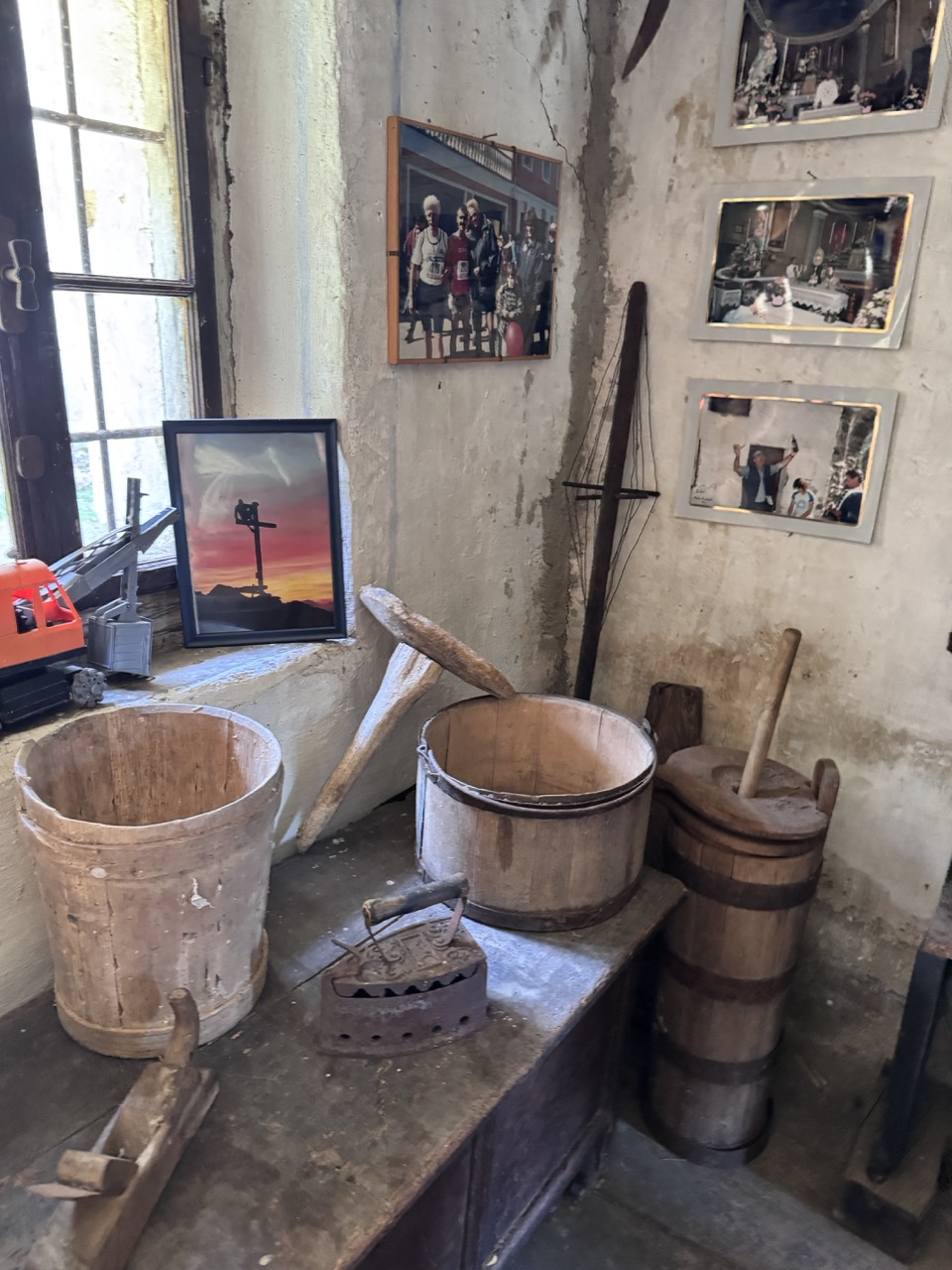
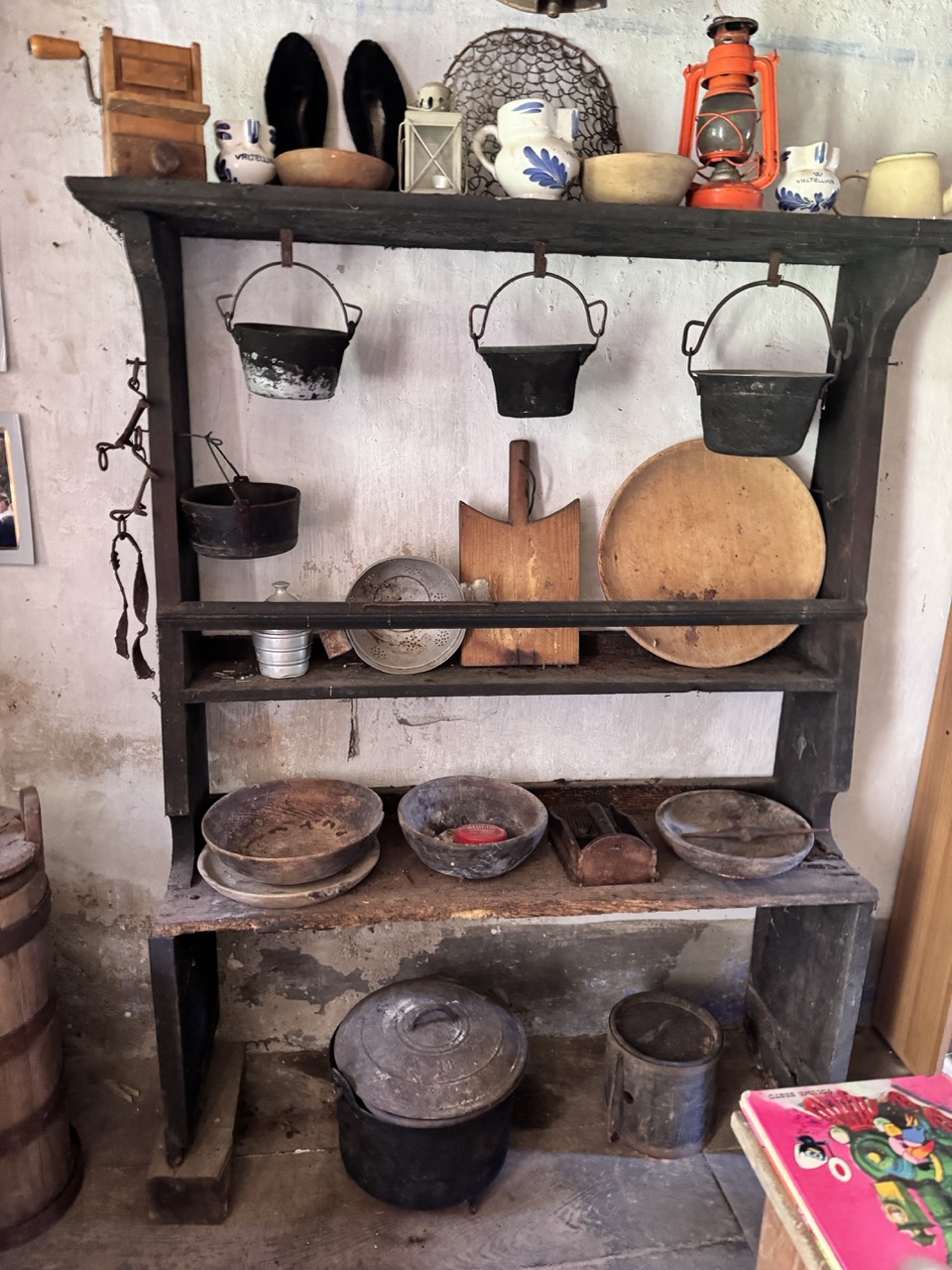
It is also a kind of small ethnographic museum, where Fausto has carefully arranged objects from everyday life of the past: dishes, tools, utensils, photographs.
Everything is clean, tidy, with a deep sense of respect for what has been.

When someone arrives – as happened to us – Fausto opens the doors, welcomes you with simplicity and tells the story of Sostila.
He guides you among the houses, shows you the details, lets you see things that by themselves wouldn’t speak, but thanks to him they gain a voice.

The gardens, the land, the gift

Fausto lives in a very simple house, with just the essentials to live serenely.

What does he do during the day, in complete solitude?

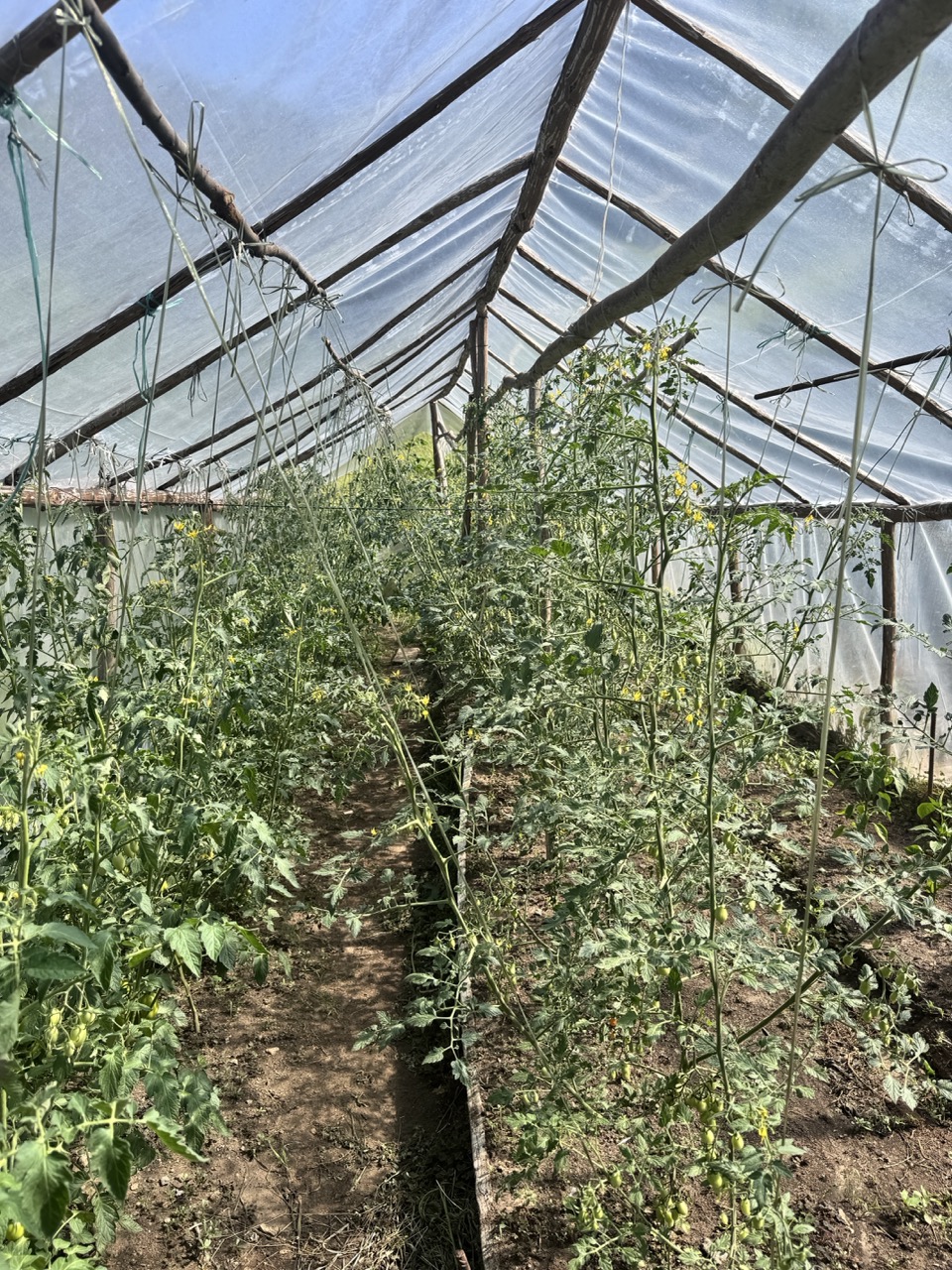
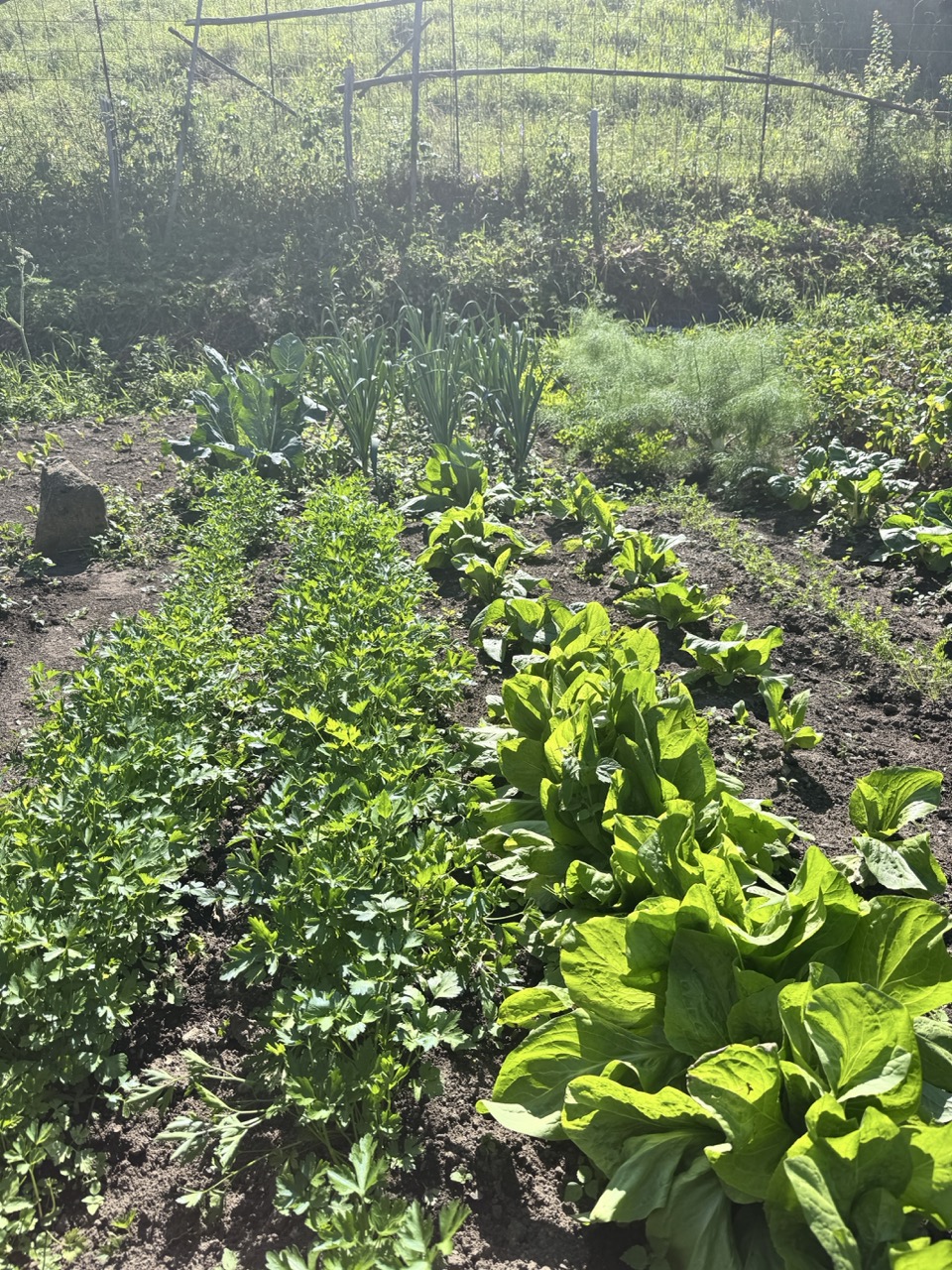
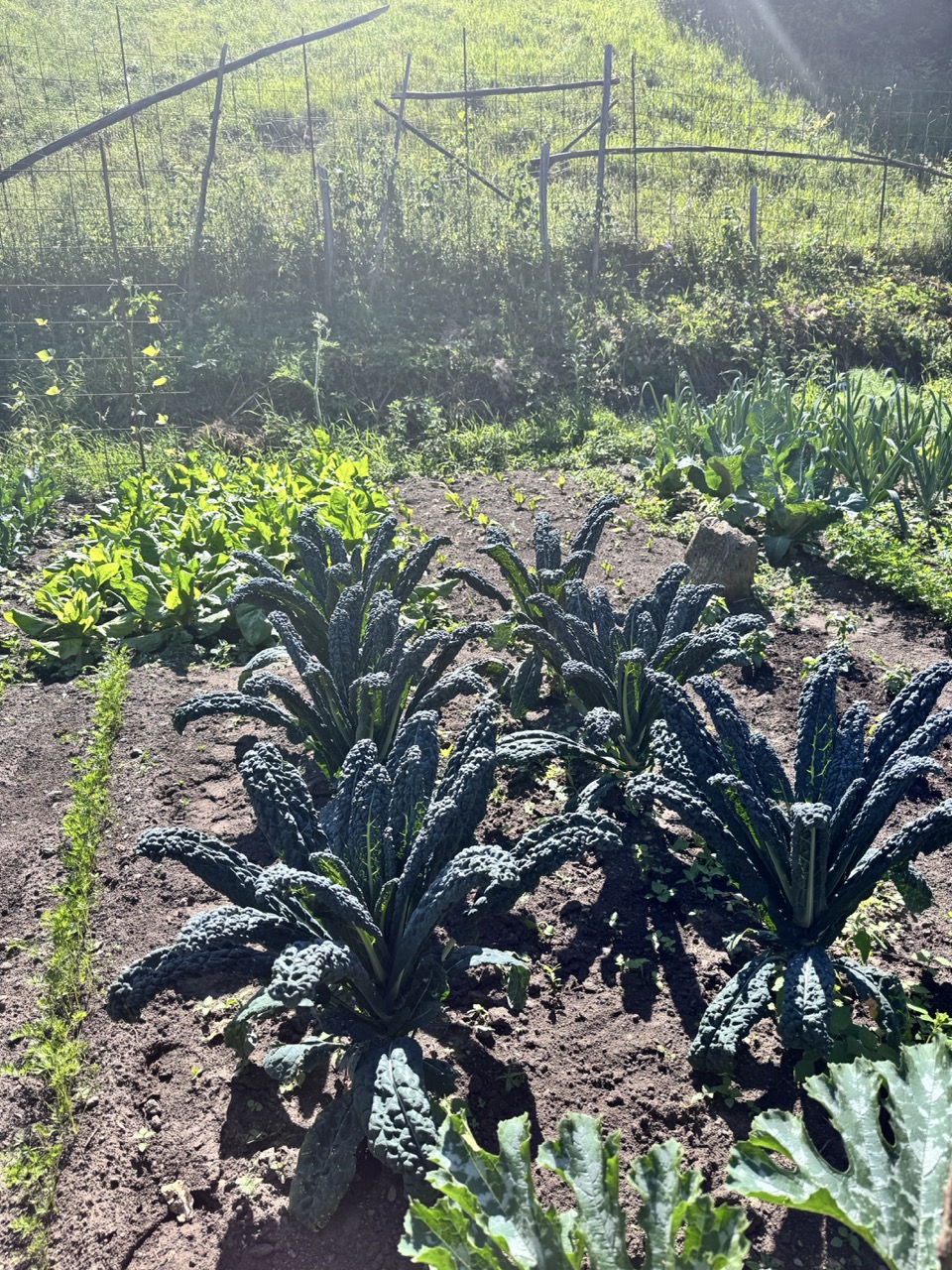
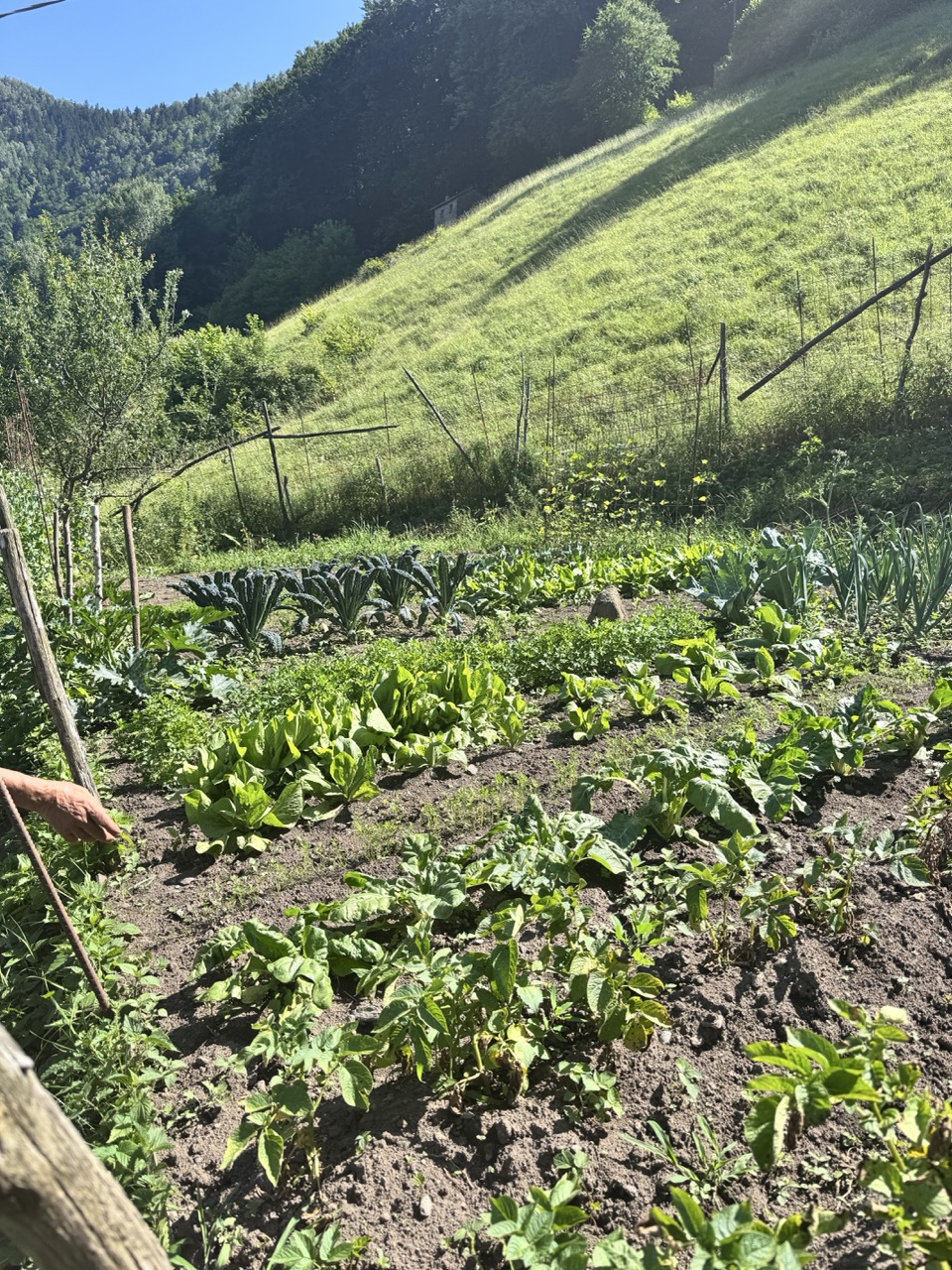
He has been cultivating his gardens for over fifty years.
He learned it from his mother.
And even though he doesn't eat vegetables, he does it for the love of the land.

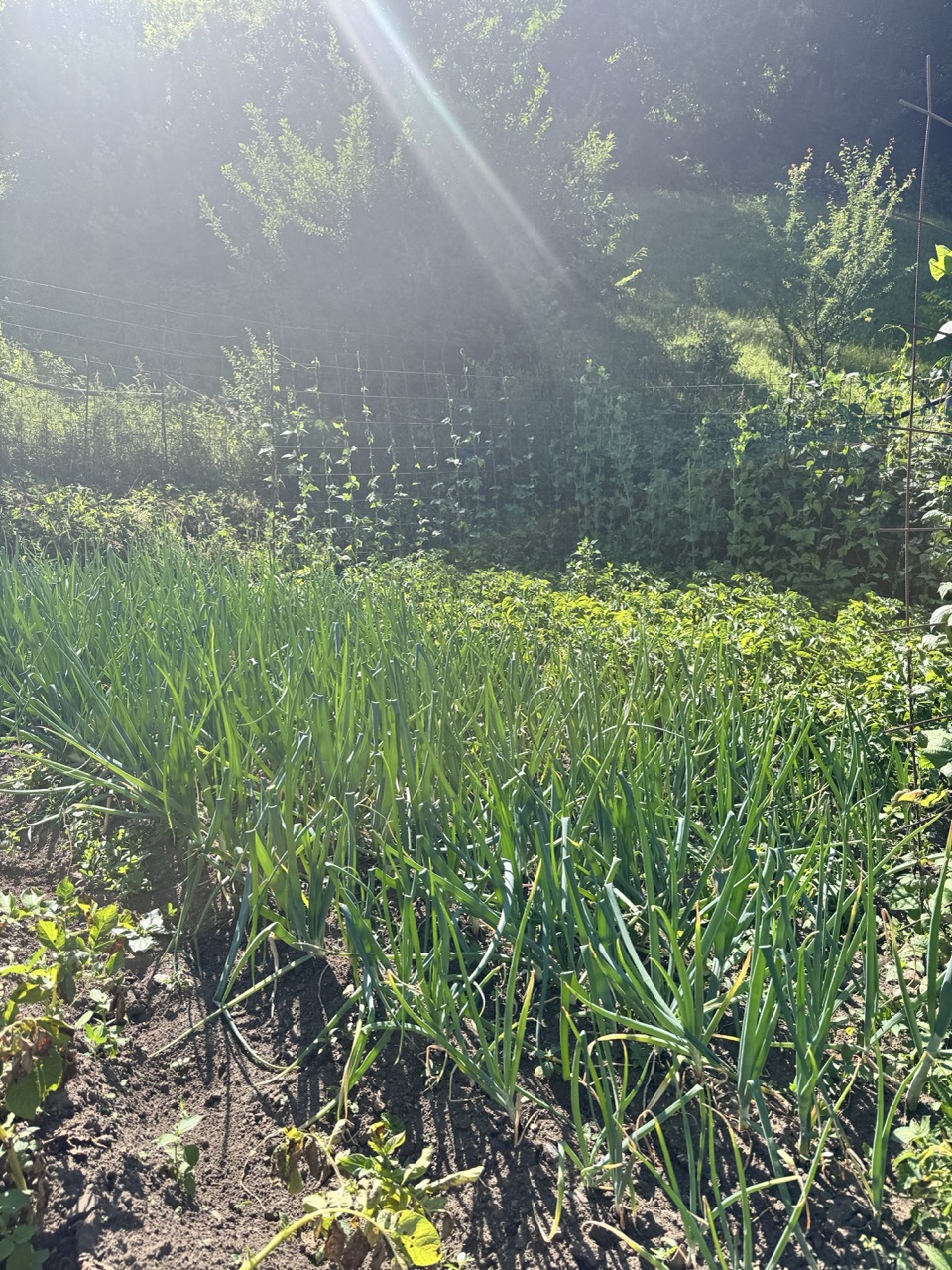
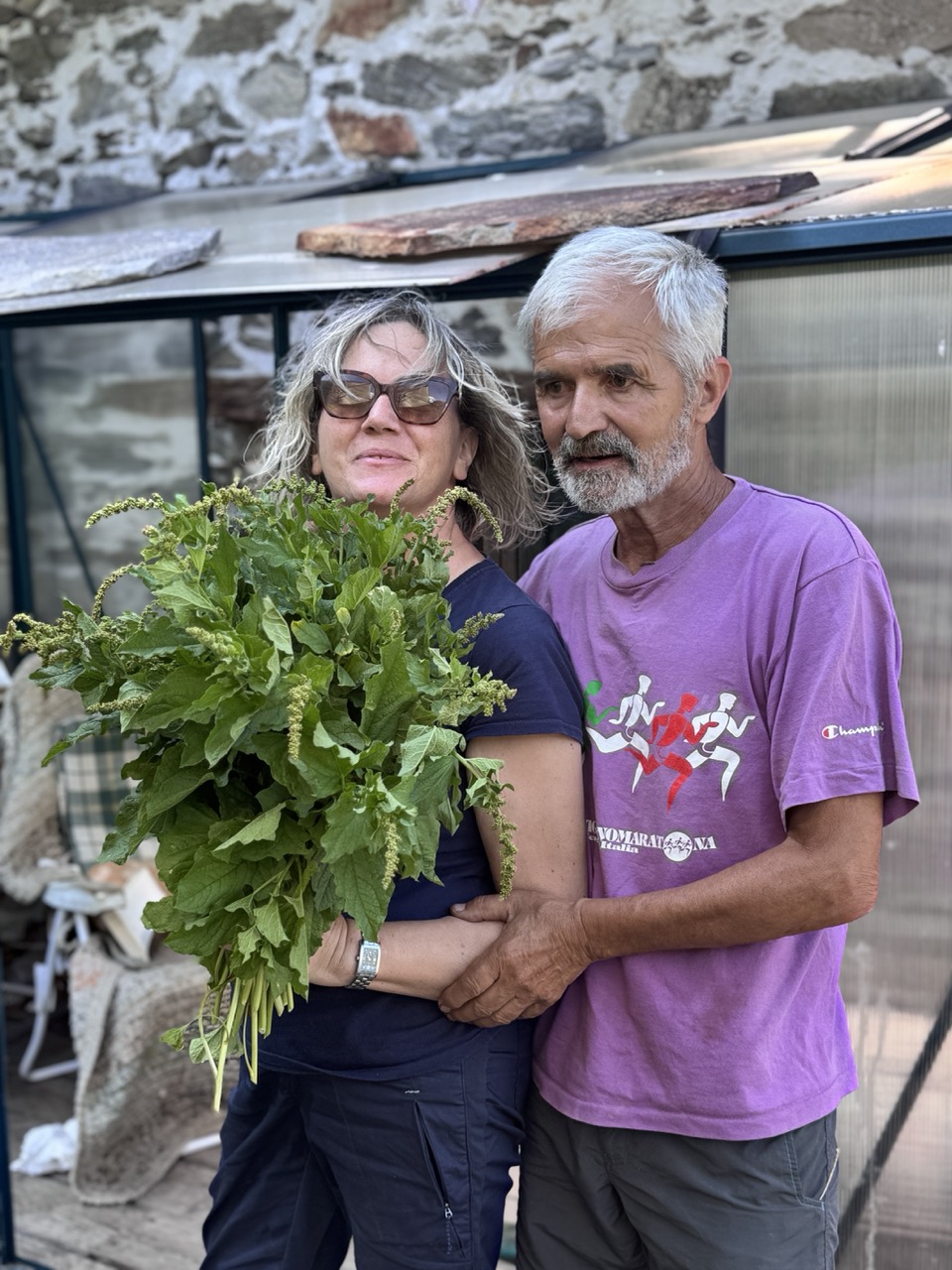
He grows everything, (salad, onions, fennels, peppers, eggplants, potatoes, tomatoes) but 90% of the harvest he gives away.
Among his most curious crops, there are as many as 700 seedlings of wild “parùch”, Buon Enrico: a spontaneous plant typical of alpine areas, which was once widely used in peasant cooking.

A true delicacy that you will never find in stores...

And he gave me a bunch that I cooked and enjoyed very much together with my father, who used to go and pick it.

A vacant village that still tells a story

Walking among the houses of Sostila is like leafing through a wordless book, where however each page has something to say.

Everything is still, yet everything speaks.

It’s a journey through time, but also a return to land, to roots, to a way of life that we have forgotten all too quickly.

Fausto, with his discretion and love for this place, holds the memory of an entire village.
And thanks to him, Sostila is not dead.
It is simply suspended, waiting for someone who is willing to listen to it.

Those who arrive there truly feel it:
Sostila stays with you.

And then…
Sostila is also the village of witches.
But that is another story.
Discover it here.
Altri articoli che potrebbero piacerti