Torchio di Cerido – Wine Making Museum and Oil Mill
A small museum, a great peasant history
On the heights of Morbegno, just above the hamlet of Cermeledo, lies Cerido, a tiny village immersed in the greenery of the Costiera dei Cech. Here, in a perfectly preserved sixteenth-century rustic building, the Wine Making Museum and Torchio di Cerido have been set up: a true gem for those wanting to discover rural life and agricultural traditions of Valtellina.
🛠 History and birth of the museum
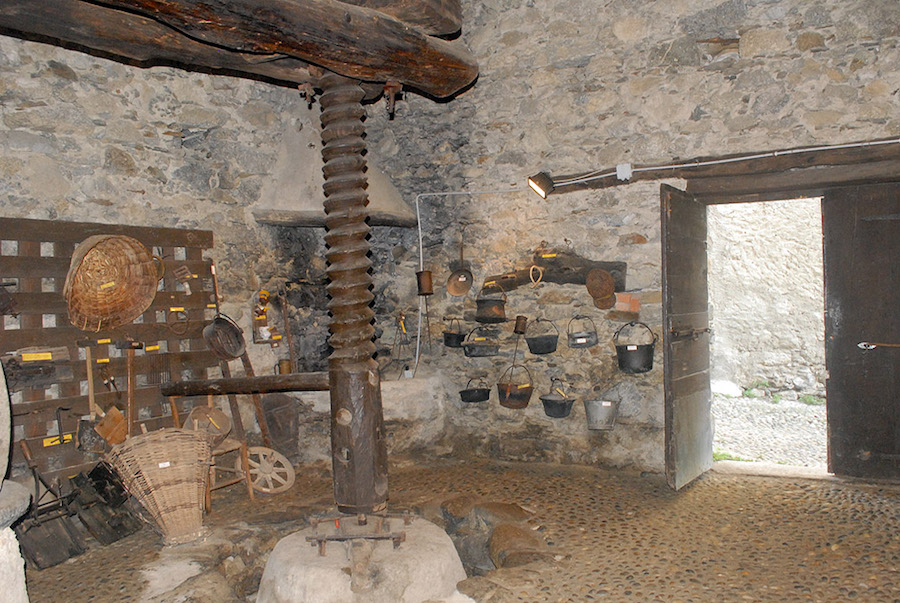
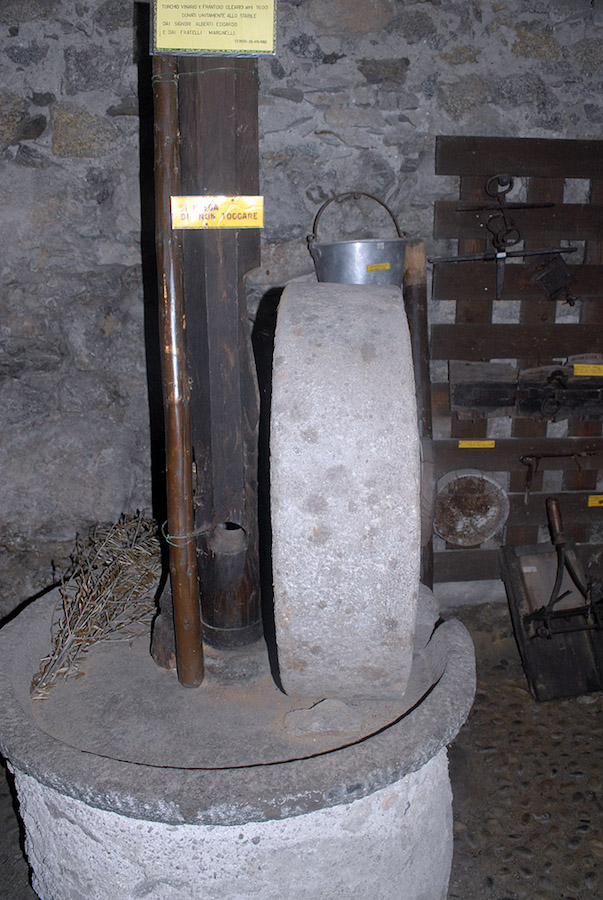
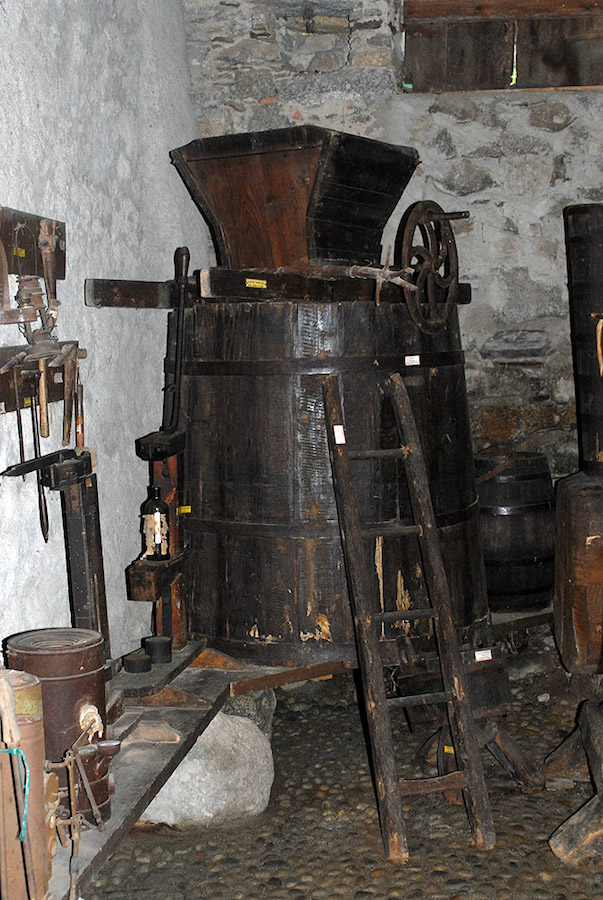
The museum was established thanks to the donation to the Municipality of Morbegno by Armando Alberti and the Margnelli brothers, who donated a wine press and an olive oil mill from the 17th century. The restoration was made possible by the work of Giacomo Perego, who passionately oversaw the restoration of the entire complex.
📌 The term "torch" not only refers to the press but also to the building that houses it. These spaces, once essential for wine production, were shared by the community: the equipment was rented for a fee, allowing even less well-off families to vinify their own grapes.
🍷 A place of work and celebration
The pressing was not just an agricultural activity: it became a collective moment, a seasonal ritual where work, socializing, and tradition came together. Days at the press often turned into real village parties, filled with laughter, stories, food, and wine.
🫒 Alongside wine production, the press also housed an olive oil mill, a testament to a tradition that has almost disappeared in the area: the cultivation of the olive tree and oil production.
🖼 What you can see
Inside the museum, you can find:
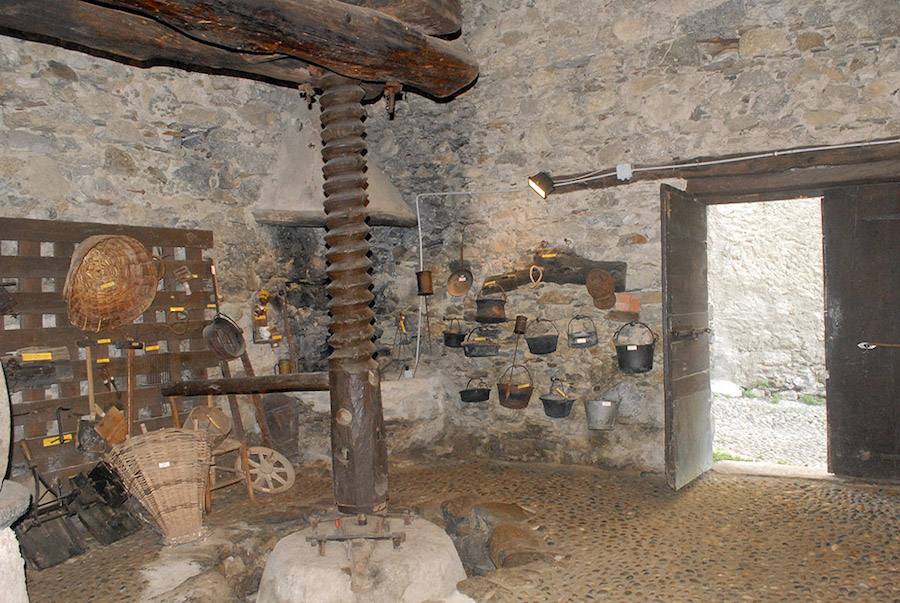
- The lever wine press from the 1600s
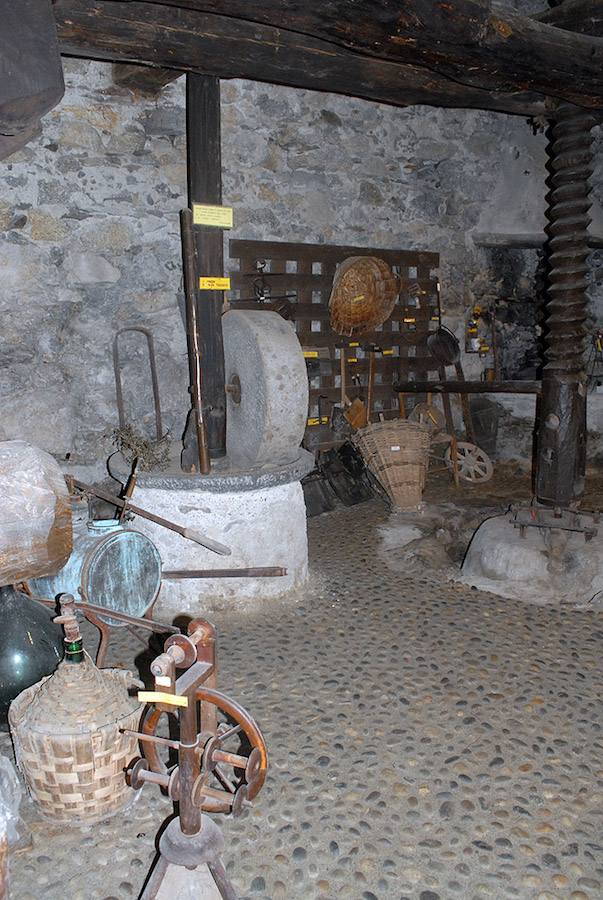
- The stone olive oil mill
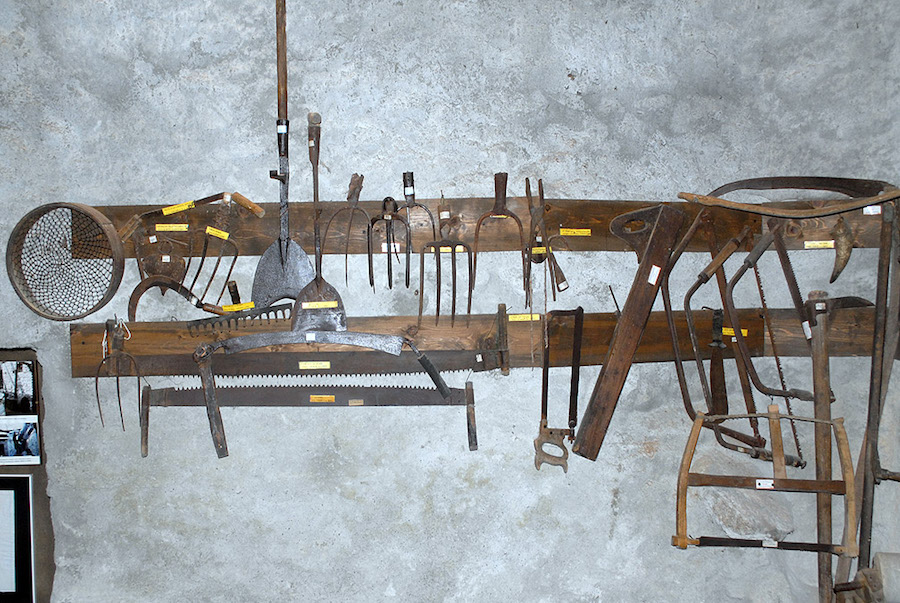
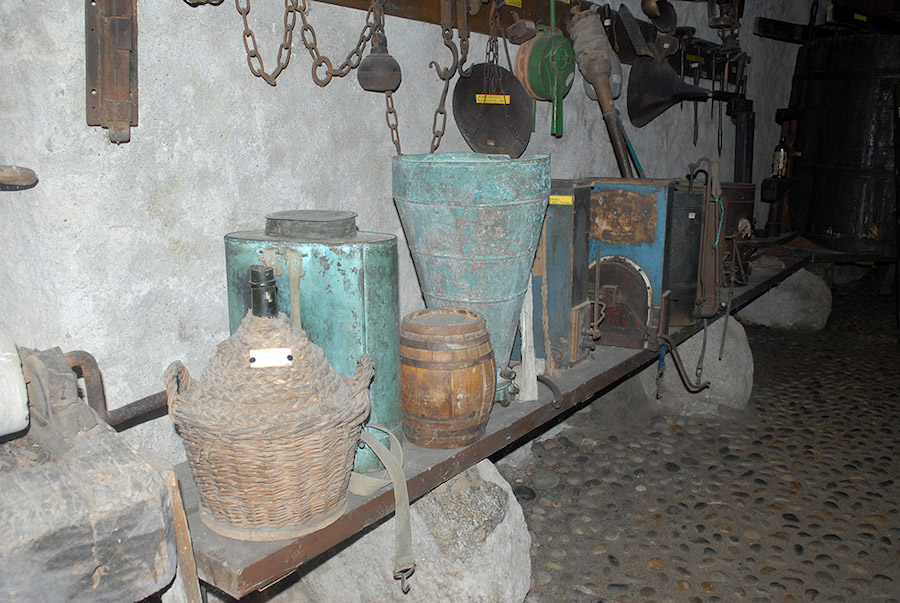
- Tools for crushing, fermentation, and bottling
- Items from everyday peasant life (baskets, tubs, barrels, utensils)
Illustrative panels and environmental reconstructions
A collection that tells the material culture of the mountain people, with attention to detail and historical context.
📍 Where it is located
📌 Cerido locality – Fraction of Morbegno (SO)
The museum is located along the road to Dazio, just after Cermeledo, in a quiet area easily accessible by car, with parking nearby.
🕒 Hours and visits
To visit the press, you must contact the Municipality of Morbegno at the number 0342/606207, from Monday to Friday from 9 am to 12 pm
🎯 Why visit it
The Torchio di Cerido is perfect for those who wish to:
- Get to know the Valtellinese peasant civilization up close
- Discover ancient wine-making and oil production techniques
- Visit an authentic, simple, and well-preserved museum
- Take a trip into nature and history
🎒 Ideal also as a stop on an itinerary in the Costiera dei Cech, among panoramic villages, terraced vineyards, and little-traveled paths.