Civic Museum of Natural History

Morbegno

Visit the Museum of Natural History in Morbegno: a fascinating journey through the geology, fauna, and flora of the Central Alps. Discover the collections and the realistic dioramas.

 A Journey into the Nature of the Central Alps

In the historic center of Morbegno, within the 18th-century Palazzo Gualteroni, is the Civic Museum of Natural History, established in 1974 thanks to the donation of 500 mineral samples by local collector Giacomo Perego. Today, the museum serves as a reference point for the knowledge and enhancement of the natural environment of the Central Alps, with particular attention to the province of Sondrio and its surrounding areas.​

🧭 Exhibition Sections

The museum route is spread over two floors, offering visitors a complete immersion in alpine biodiversity.

🌍 Earth Sciences Section

Located on the ground floor, this section guides visitors through the geography, morphology, and geology of the Valtellina territory. Among the most significant finds is a fossil branch of Cassinisia orobica, an endemic conifer of Valtellina, a symbol of the museum.​

🐾 Faunistic Section

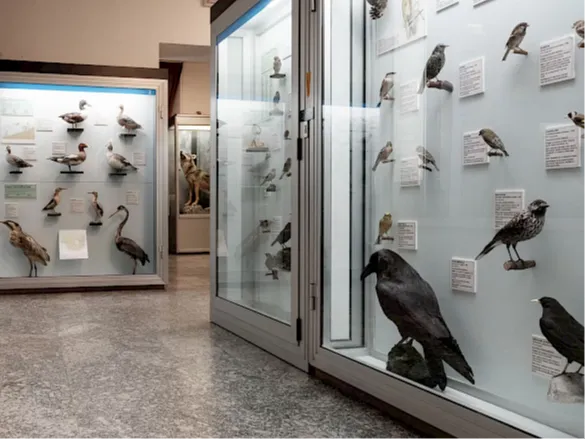
On the first floor, the faunistic section features a rich collection of animals typical of the Central Alps. Visitors can admire realistic dioramas that reproduce the natural environments of the valley floor, the forest, and the high mountains, as well as display cases dedicated to birds, mammals, insects, amphibians, and reptiles 

🎓 Activities and Services

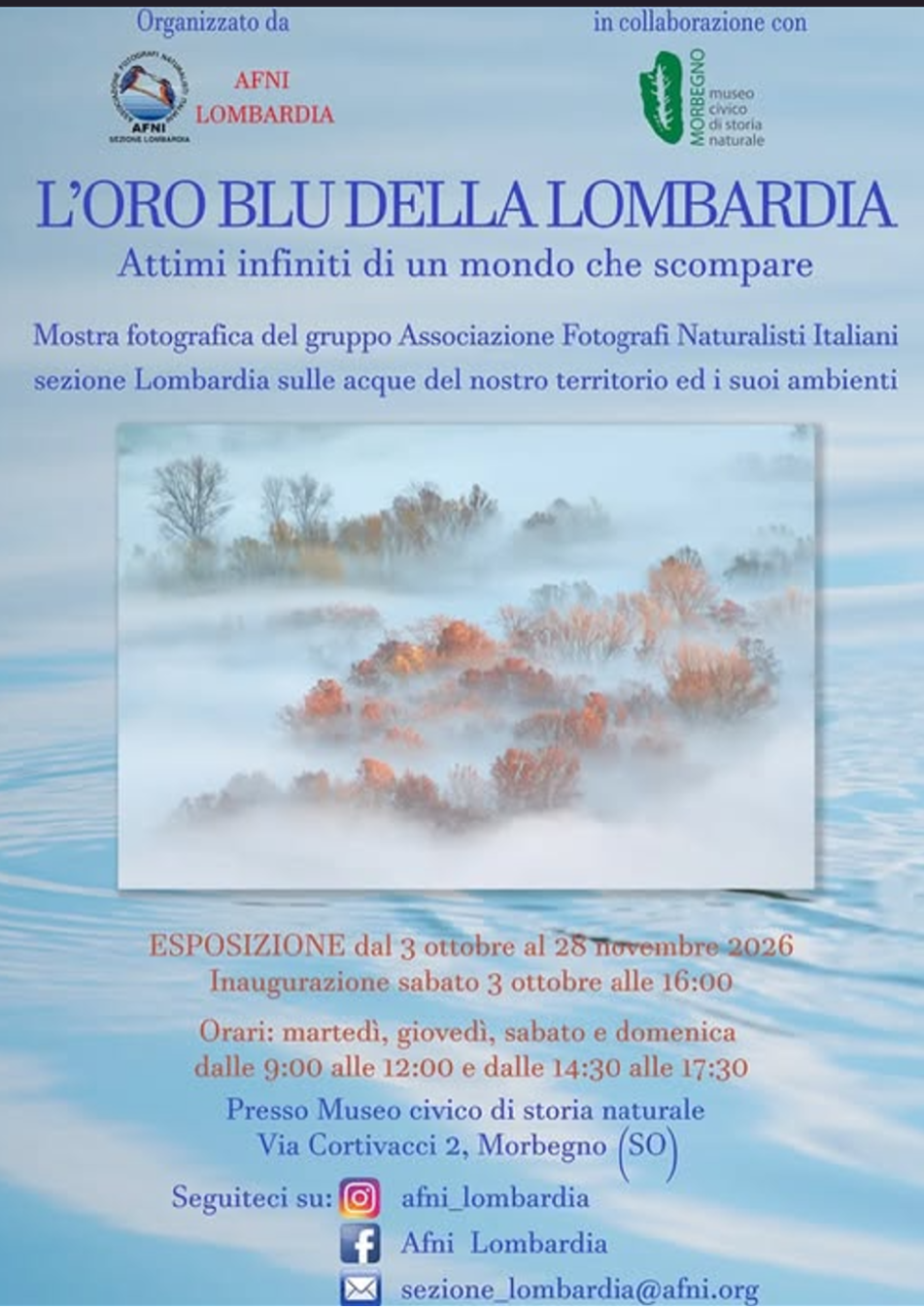
The museum is not only a place of exhibition but also an active center for promoting naturalistic culture. It regularly organizes temporary exhibitions, conferences, educational workshops, and activities for families and schools, contributing to the dissemination of scientific knowledge and environmental awareness.​

🕒 Opening Hours

  • Tuesday, Thursday, Saturday, and Sunday: 9:00 AM - 12:00 PM and 2:30 PM - 5:30 PM​
  • Closed: Monday, Wednesday, and Friday​

For groups and school classes, guided tours can be booked on other days by directly contacting the museum.​museostorianaturale.it

📍 How to Reach It

The museum is located at Via Cortivacci, 2 – 23017 Morbegno (SO).

  • By car: Morbegno is easily accessible via the SS38 of Stelvio.​
  • By train: the Morbegno train station is about a 10-minute walk from the museum.​

🎯 Why Visit It

The Civic Museum of Natural History in Morbegno is an ideal destination for:

  • Nature and geology enthusiasts.​
  • Families and schoolgroups looking for an educational and interactive experience.​
  • Tourists interested in discovering the biodiversity and natural history of the Central Alps.​

🏘️ Scopri il comune di Morbegno

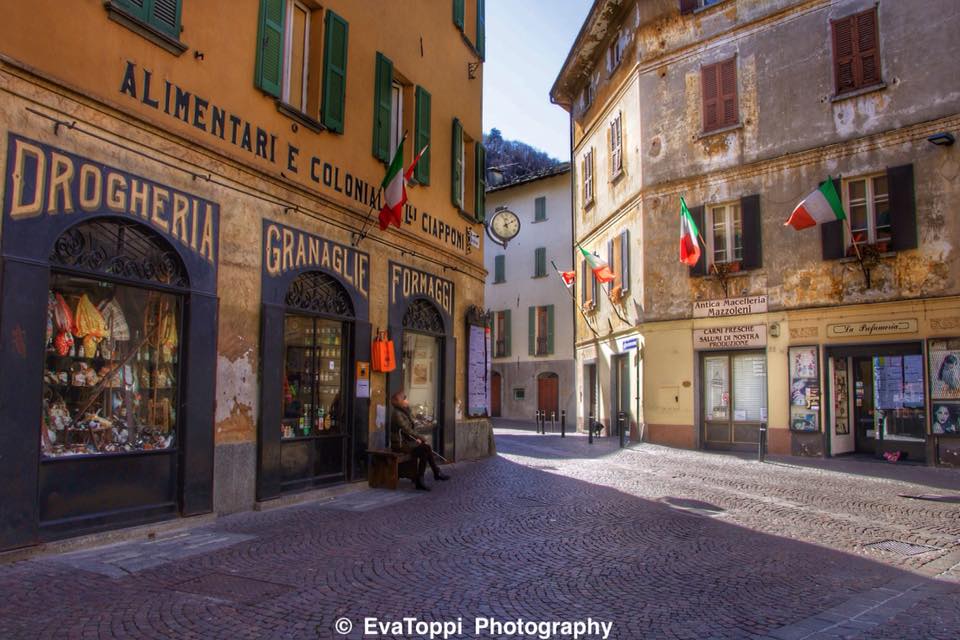
Morbegno (262 m s.l.m. - 12321 abitanti) è la più popolosa cittadina della bassa Valtellina, poco oltre le sue "porte", sita appunto nel crocevia fra la valle dell'Adda, il territorio del lago di Lecco e la bergamasca tramite la Valle del Bitto di Albaredo e il passo S. Marco.

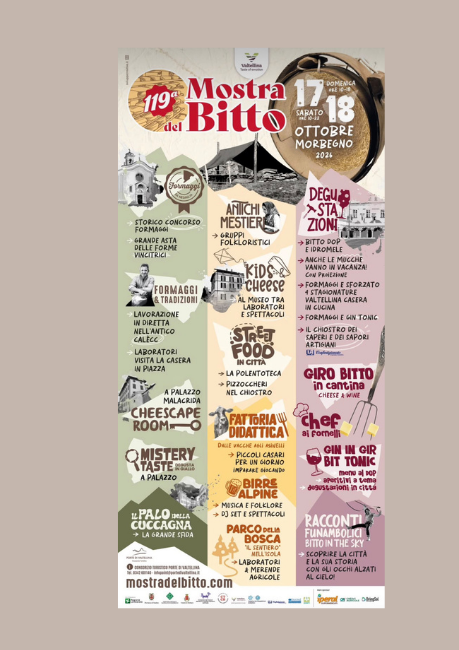
Adagiata sul conoide del torrente Bitto, che dà il nome al celebre formaggio alpino (Presidio Slow food – ad esso è dedicata anche l'annuale Mostra del Bitto), si estende fino alle opposte propaggini retiche della "costiera dei Cech".

Il fiume Adda divide la città dalle frazioni di Campovico, Paniga e Desco. La strategica posizione del (già fiorente) borgo medievale favorì nei secoli la vocazione commerciale in convergenza con quella viti-vinicola: caratteristiche e diffuse in tutto il centro storico sono infatti le cantine "a volta" tipiche della città (in cui si tiene ogni anno la manifestazione di degustazione vinicola "Morbegno in cantina").

Il piccolo borgo, risalente all'Alto medioevo (sorto intorno al già citato torrente Bitto, che si incunea nella gola detta "Seriole"), si è esteso soprattutto nel corso del novecento a ovest fino a conurbarsi con il limitrofo comune di Cosio Valtellino e a est analogamente con quello di Talamona (zona industriale).

Carico di storia e arte fatta di suggestivi scorci di antiche magioni, da visitare sono senz'altro lo storico Palazzo Malacrida (definito "il più bel palazzo veneziano fuori da Venezia"), sito in pieno centro e impreziosito da opere pittoriche di Giovan Pietro Romegialli (nativo proprio di Morbegno), Giuseppe Coduri e Cesare Ligari (fra i massimi artisti del settecento lombardo). Unica poi è la Collegiata di San Giovanni Battista (che conserva un reliquario della Sacra Spina di Gesù), capolavoro del barocco lombardo (XVII-XVIII secolo), anch'essa arricchiata al suo interno da significativi cicli pittorici settecenteschi.

Sempre a Morbegno è infine il più antico ponte sull'Adda della zona, il suggestivo Ponte di Ganda, costruito fra quattrocento e cinquecento, distrutto dalle piene del fiume nel settecento e poi ricostruito fra il 1775 e il 1778.

Morbegno nel 1967 viene insignitadel titolo di “città” grazie al ruolo di grande prestigio assunto dal morbegnese Ezio Vanoni, ministro economico in diversi governi del Dopoguerra.

Per saperne di più visita il sito del Comune di Morbegno

VAI AL COMUNE

Esperienze da vivere a Morbegno

🤝 Partner di fiducia scelti da noi

Come arrivare a Civic Museum of Natural History