A cycle of frescoes from 1464 in the heart of Val Gerola
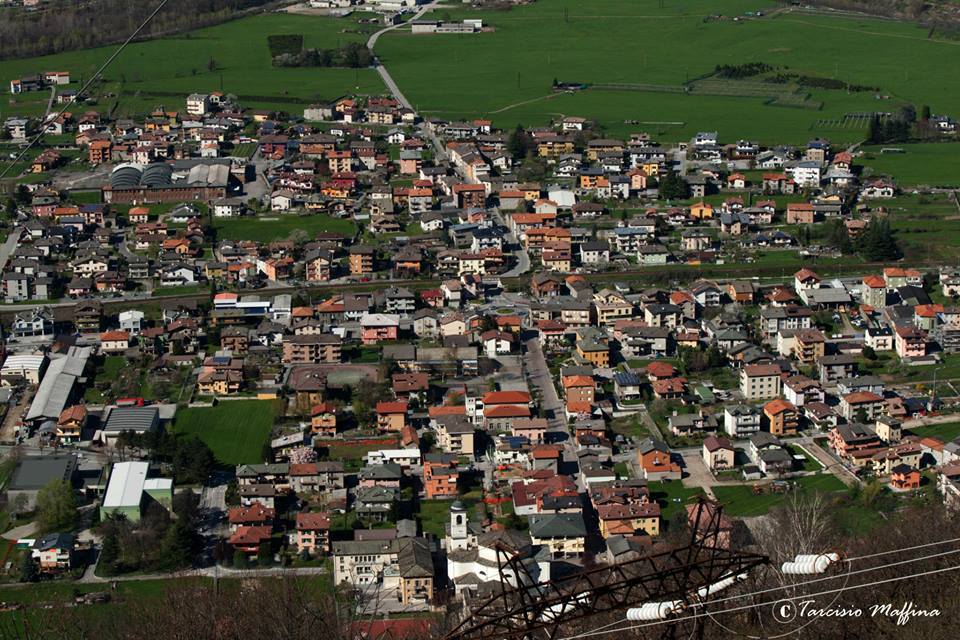
The Museo dell’Homo Salvadego is located in Sacco, a fraction of Cosio Valtellino, at the entrance of Val Gerola. It is housed on the first floor of an ancient rural residence on via Pirondini, near the parish church. The main room, known as camera picta, is completely painted with works dated May 18, 1464, attributed to the masters Batestinus and Simon.
🎨 The frescoes
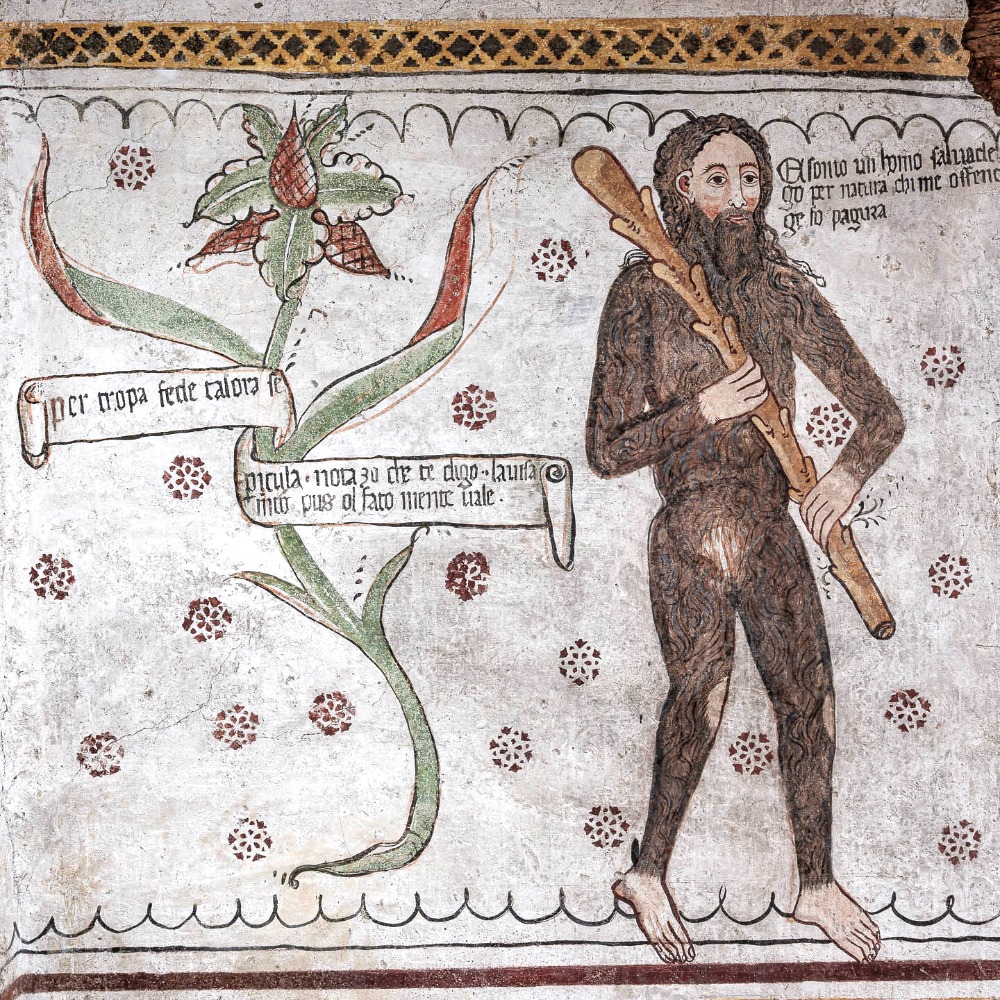
The walls are decorated with floral motifs, cartouches, and writings in Gothic characters, both in Latin and vernacular, containing proverbs and moral sayings. Among the figures represented, the Homo Salvadego stands out, a hairy man with a flowing beard and a club, accompanied by the phrase:
“Ego sonto un homo salvadego per natura, chi me ofende ge fo pagura”
This figure is one of the most evocative of Alpine mythology, symbolizing the wild nature and popular traditions.
🕰️ Opening hours and information
- Address: Via Pirondini, 14 – Sacco, Cosio Valtellino (SO)
- Phone: +39 0342 617028
- Email: cmmorbegno@provincia.so.it
- Hours: from Tuesday to Sunday, 9:00 AM – 6:00 PM
- Admission: free
🚗 How to get there
- By car: from Morbegno, follow the signs for Val Gerola until Sacco.
- Parking: available near the parish church.
🧭 Why visit
The Museo dell’Homo Salvadego offers a unique opportunity to explore a well-preserved example of 15th-century art and culture, immersed in Alpine tradition. It is a place of interest for enthusiasts of history, art, and folklore.