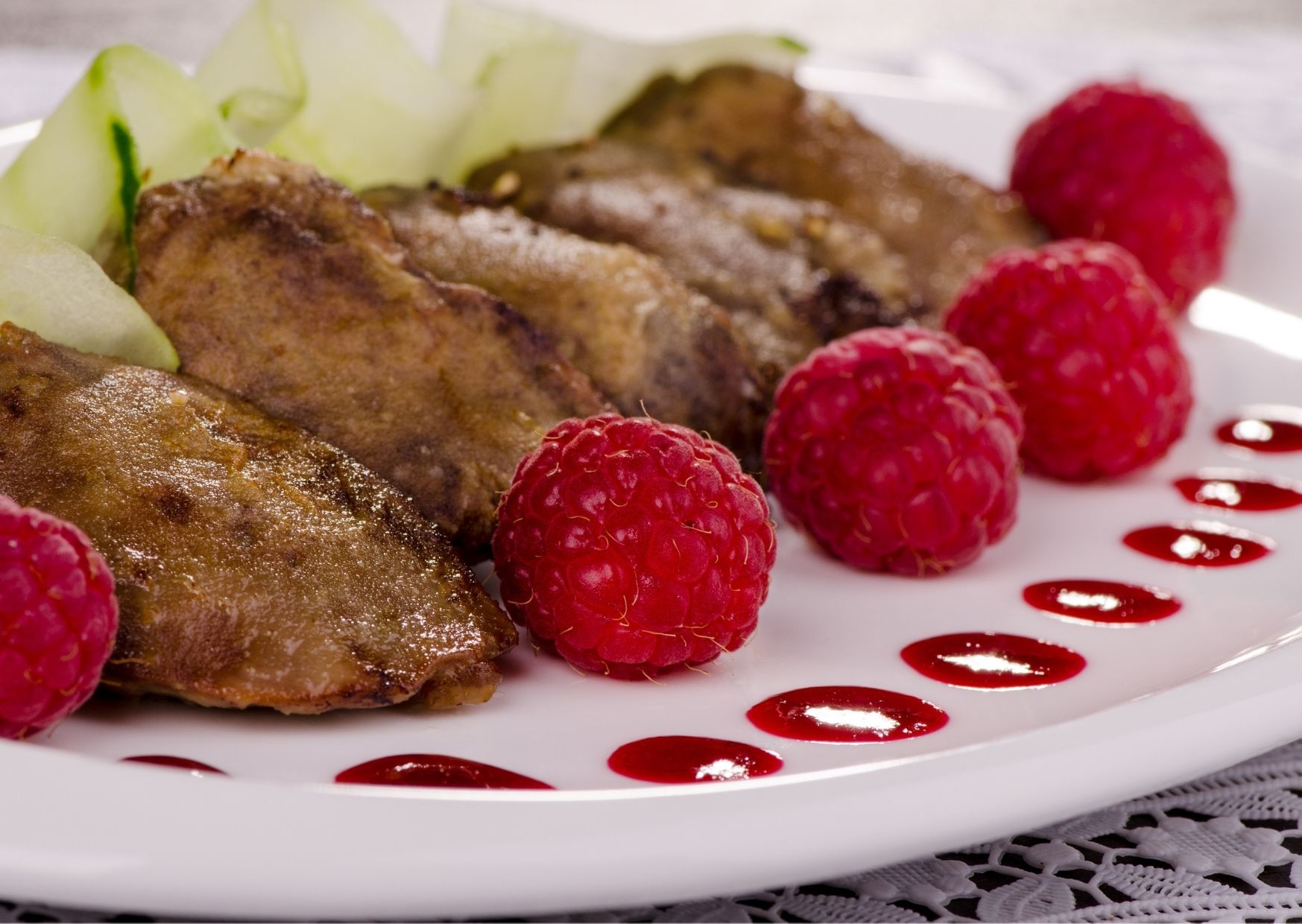
Boiled hen with hay from the meadows with raspberry vinaigrette 🍗🌾 | Traditional recipe with alpine fragrances
A dish that encompasses all the wisdom and aroma of peasant cuisine: the boiled hen with hay from the meadows is a rustic, genuine, and fragrant recipe, perfect for rediscovering the authentic flavors of the past. 🐔🌿
The hay from the meadows, collected in early summer and rich in alpine aromatic herbs, gives the meat a delicate and unique aroma, while the raspberry vinaigrette adds freshness and a surprising sweet-and-sour touch. The dish is completed with crunchy vegetables, walnut kernels, and fresh green salad, for a proposal that combines tradition, health, and taste. 🍃🍇
🛒 Ingredients for 4 people
- 1 hen
- 80 g of raspberries
- 5 walnut kernels
- 1 stalk of celery
- 1 carrot
- ½ onion
- Radishes to taste
- Crunchy carrots (or raw julienned)
- Laurel, 1 leaf
- Fresh green salad
- Extra virgin olive oil
- White wine vinegar
- Salt and pepper, to taste
- Hay from the meadows (in cloth bag)
👩🍳 Preparation
- Prepare an aromatic broth in a large pot with salted water, onion, celery, carrot, and a bay leaf.
- Place the hay from the meadows in a cloth bag, put it in the pot, and bring to a boil.
- Immerse the whole hen in the broth and let it cook over low heat until fully cooked (about 1 hour and a half or more depending on size).
- Once cooked, let the hen cool in its broth, then remove skin and bones and cut the meat into strips.
🥗 Dressing and presentation
- In a bowl, season the meat with:
- Crunchy carrots cut into julienne
- Radishes in rounds
- Walnut kernels chopped
- Prepare a vinaigrette by letting the raspberries macerate in wine vinegar, then strain and mix with extra virgin olive oil, salt and pepper.
- Place a bed of green salad on each plate, then arrange the seasoned meat on top.
- Drizzle with the raspberry vinaigrette and serve.
✨ An elegant and natural second course that smells of mountain herbs, perfect for a light and refined lunch!
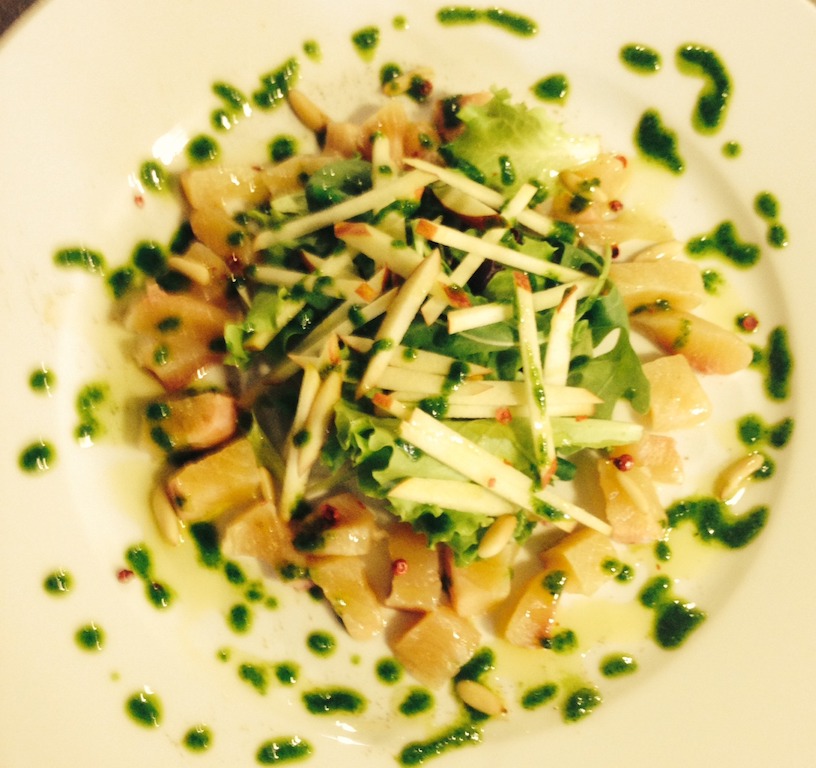
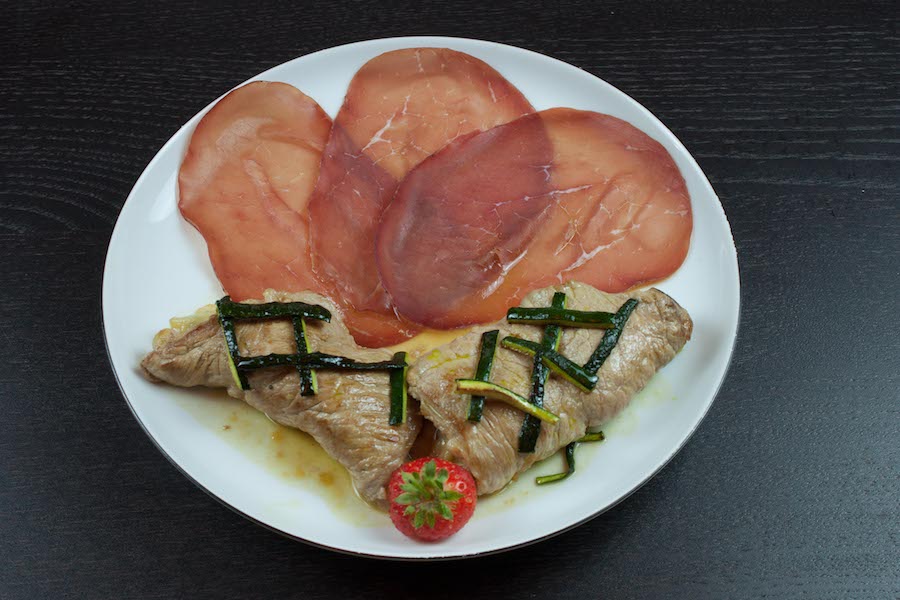
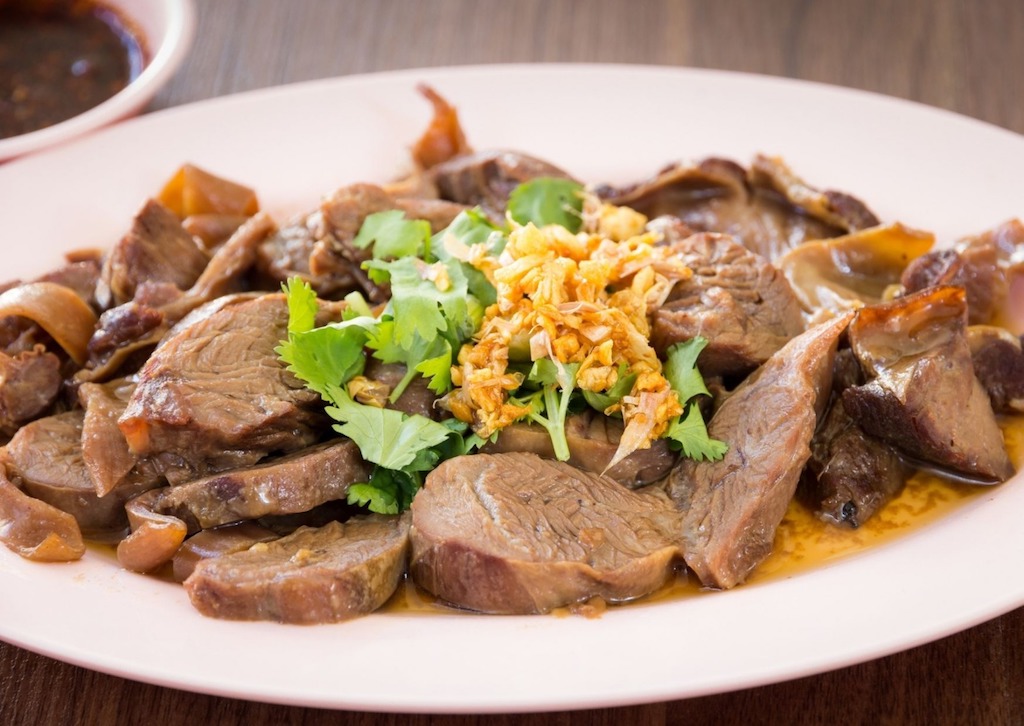
The image of the dishes is purely indicative and does not necessarily correspond exactly to the recipe
📚 Recipe inspired by Valtellinese peasant tradition